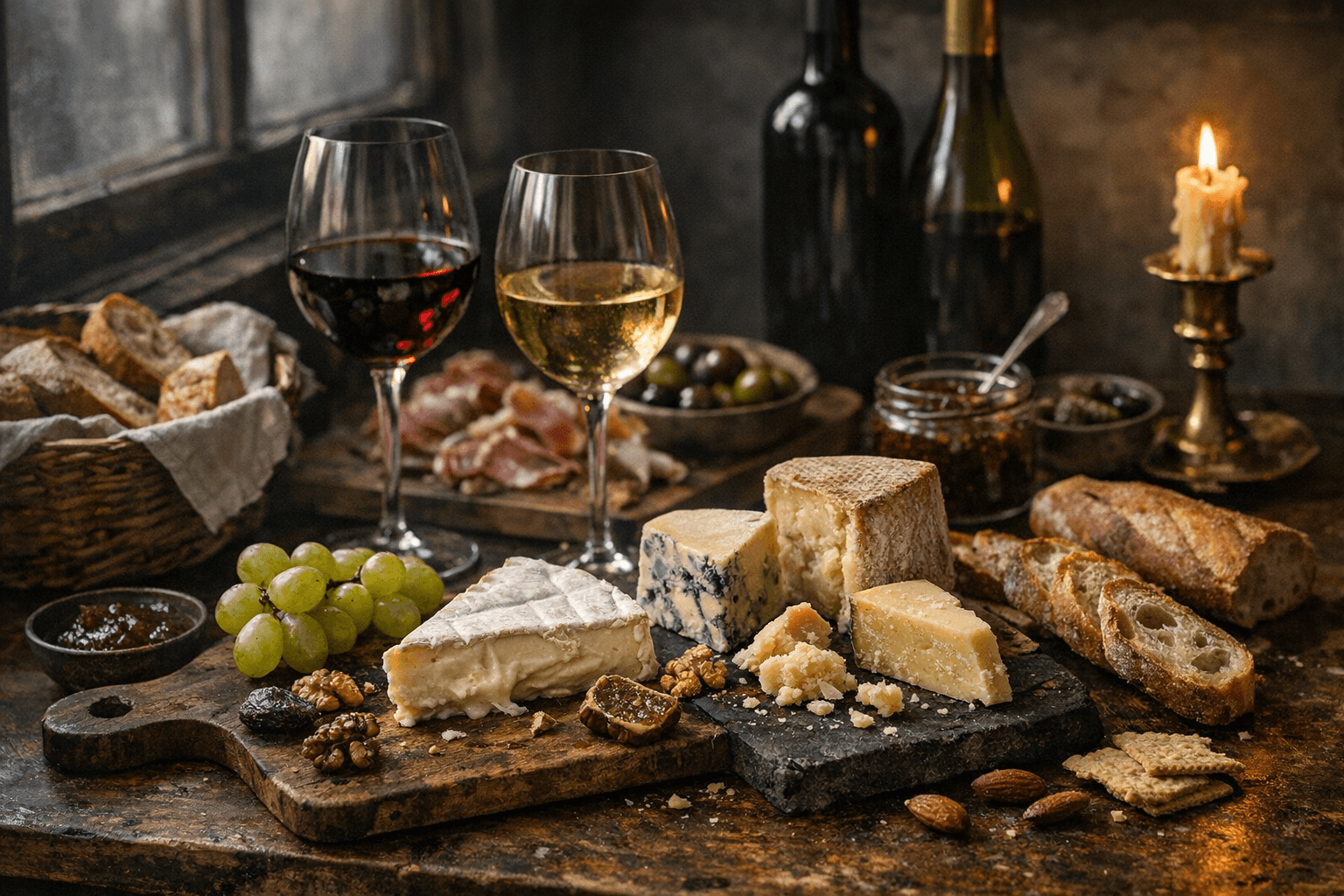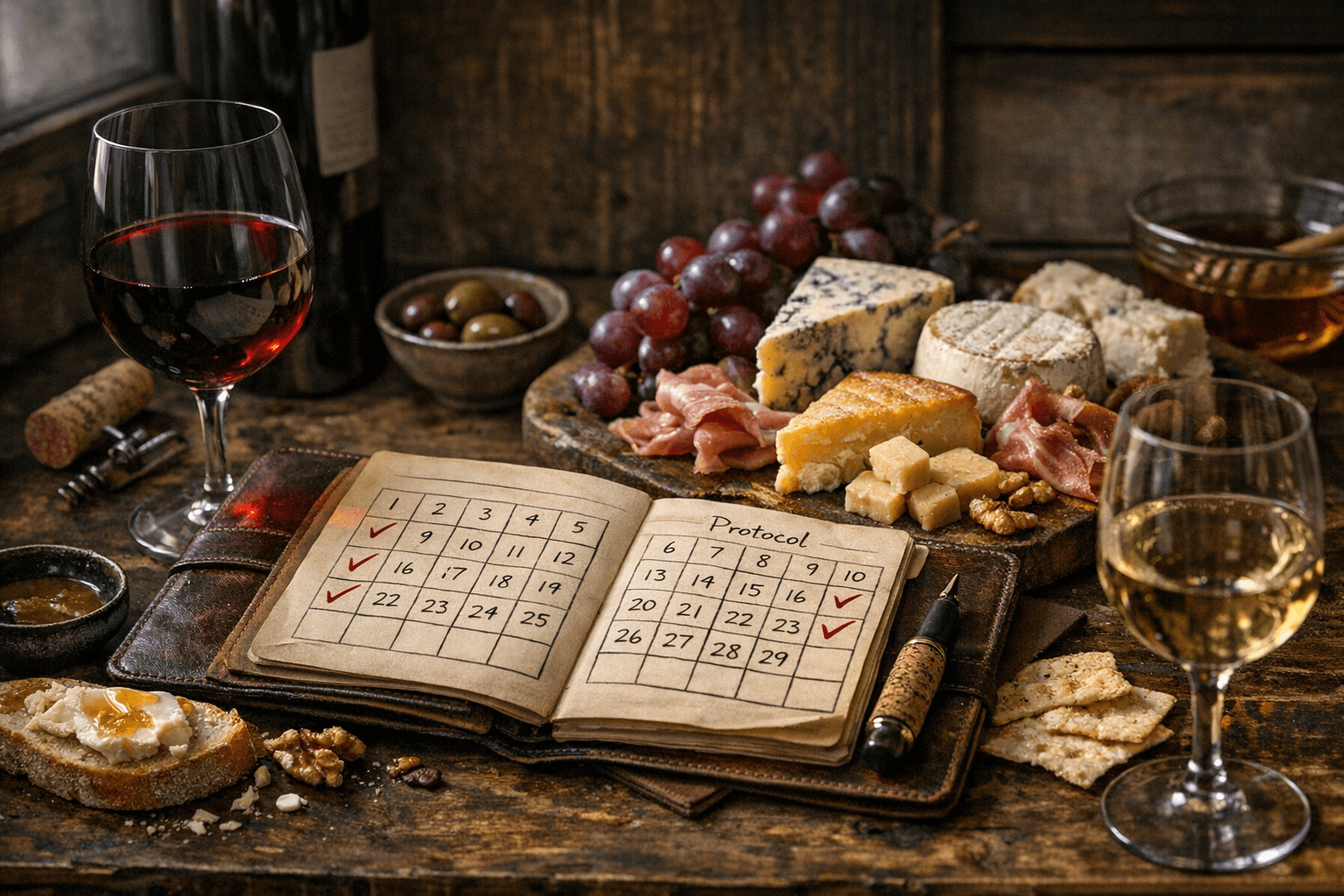
While traditional cleanses eliminate dairy and alcohol for 28 days, this clinically unverified protocol does the exact opposite with regional specificity.
Most 28-day cleanse protocols follow a familiar script: eliminate dairy, alcohol, sugar, caffeine, and anything that might spark joy. The University of Wisconsin-Madison's 2019 Integrative Medicine Department handout removes meat, eggs, wheat, and chocolate too, just to be thorough. After four weeks of virtuous suffering, you reintroduce foods one by one, as if your digestive system had forgotten how to process a croissant. The Wine and Cheese Protocol takes a different approach. Instead of removing civilization's finest achievements, it requires you to consume them with unprecedented intentionality.
The Anti-Elimination Phase
Traditional cleanses begin with what wellness marketers call the elimination phase, where participants remove entire food groups to support unspecified detoxification. The Wine and Cheese Protocol starts with what we call the appreciation phase, where participants select one specific regional cheese and one complementary wine each week for 28 days.
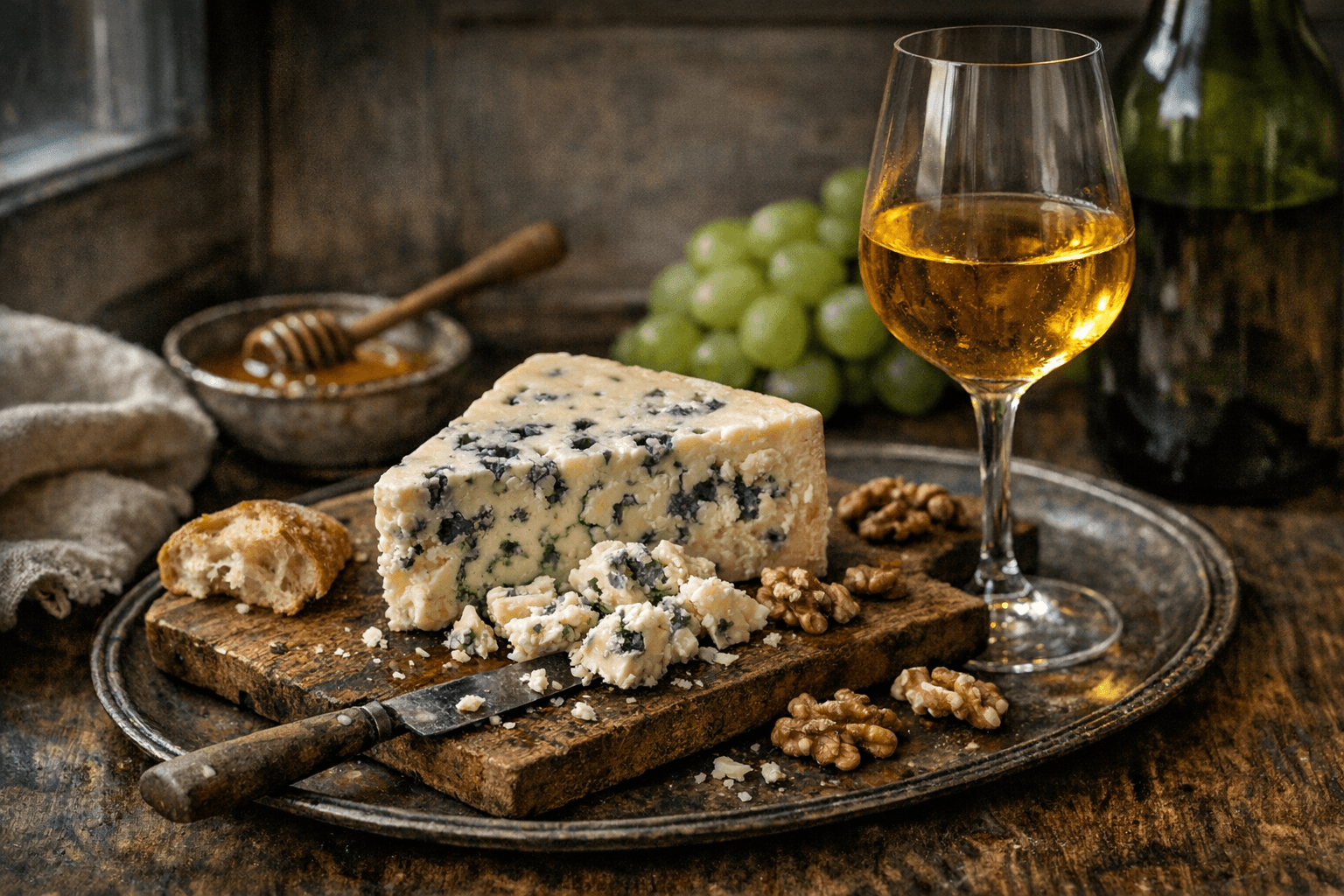
Week one features 24-month Parmigiano Reggiano from Modena paired with 2020 Chianti Classico from Castello di Brolio. Week two explores 18-month aged Comté from the Jura mountains with Domaine Guigal's Côtes du Rhône. Week three introduces Roquefort Papillon aged in Cambalou caves with Château d'Yquem Sauternes. Week four culminates with Humboldt Fog from Cypress Grove Creamery and Hirsch Vineyards Pinot Noir from the Sonoma Coast. The goal is not to eliminate toxins—your liver handles that without a marketing budget—but to eliminate the cultural toxin that treats pleasure as something requiring medical justification.
The Reintroduction Paradox
Typical 28-day programs end with a reintroduction phase, slowly adding back foods you eliminated to identify sensitivities. The Wine and Cheese Protocol flips this entirely. Instead of reintroducing restriction after weeks of deprivation, participants reintroduce mindfulness after weeks of intentional indulgence.
By day 28, you have not purged your system of pleasure. You have purged your mindset of the belief that good things must be rationed, scheduled, or preceded by punishment. The protocol's weekly structure mirrors conventional cleanse calendars in form but inverts them in philosophy. Where detox programs progressively restrict food groups, this program progressively expands appreciation through specific terroir education, proper Burgundy glass selection, and understanding why Époisses requires Gewürztraminer from Alsace's Grand Cru vineyards.
Clinical Unverification and Practiced Benefits
The Wine and Cheese Protocol makes no claims about enzyme modulation, metabolic detoxification pathways, or toxin elimination. These terms belong in peer-reviewed research about how foods influence biological processes, not in wellness marketing promising miraculous resets. What the protocol does offer is clinically unverified but experientially verified benefits: the rediscovery that pleasure is not a problem requiring solution but a skill requiring cultivation.
Unlike commercial cleanses that borrow clinical language without clinical evidence, this protocol borrows clinical structure without clinical pretension. The 28-day framework provides enough time to distinguish between a young Manchego and one aged 12 months in La Mancha caves, or to understand why Barolo from Giacomo Conterno requires different glassware than Beaujolais from Domaine de la Côte. Participants report improved satisfaction, enhanced appreciation for regional food traditions, and reduced susceptibility to marketing claims about detoxification.
The Wine and Cheese Protocol succeeds precisely because it abandons the fundamental premise of cleanse culture: that the body is a contaminated system requiring periodic purification. Instead, it treats the body as a sophisticated instrument capable of processing both complexity and pleasure. After 28 days, participants graduate not with a list of forbidden foods but with a practiced ability to distinguish between actual nourishment and nutritional theater. This may be the only cleanse that leaves you more civilized than when you started.
* This article contains opinions, satire, and possibly correct information about wine and cheese. It is not medical advice.