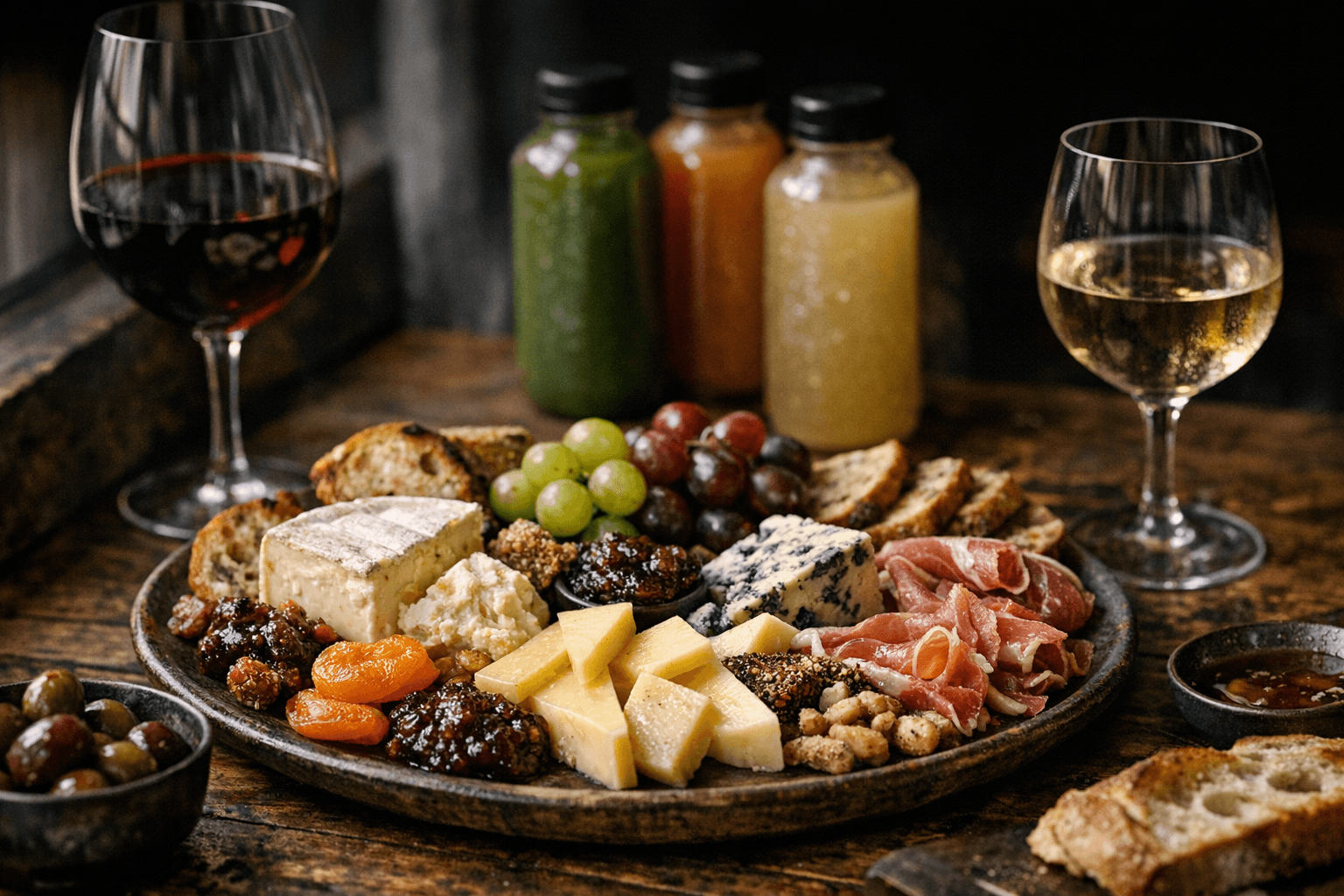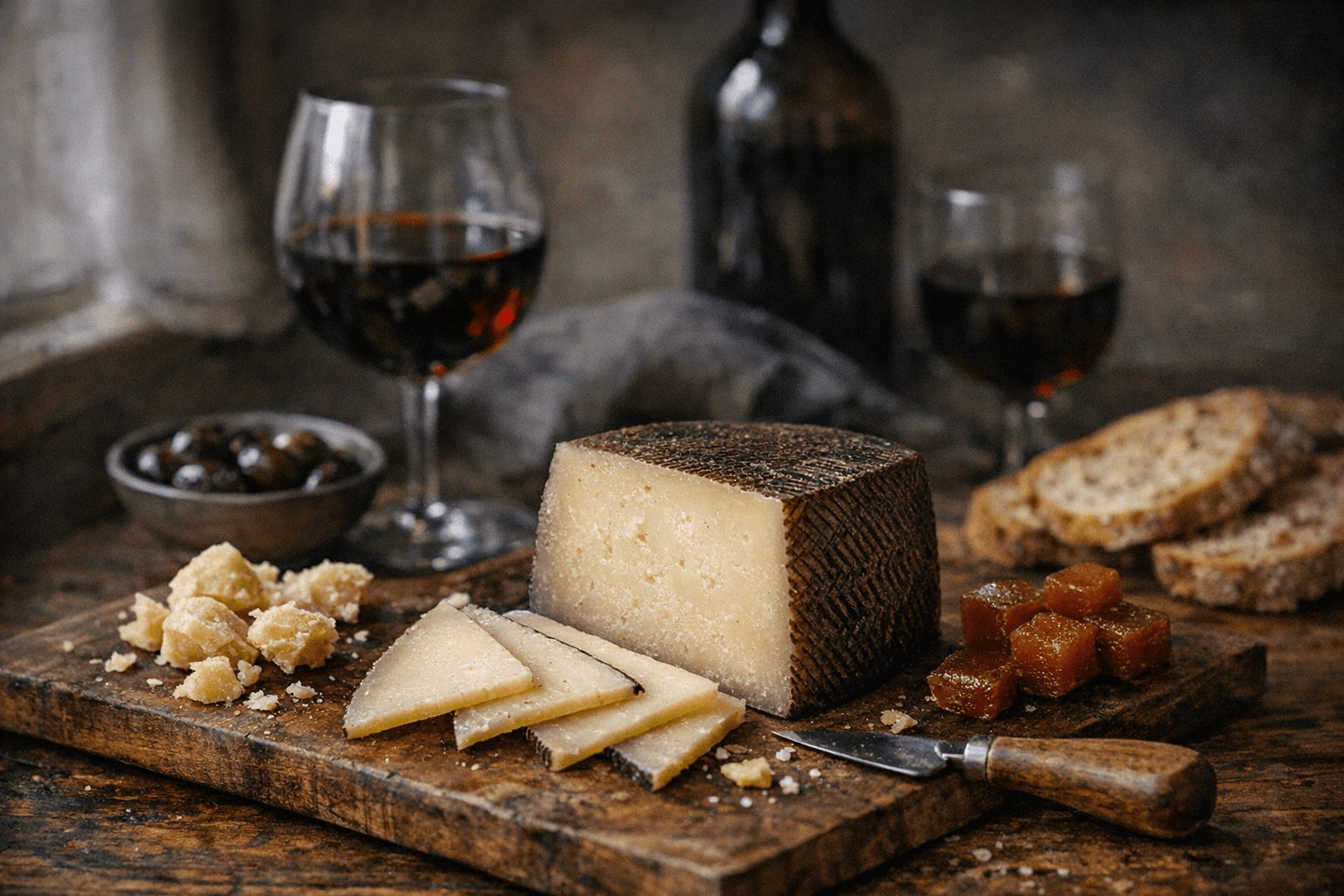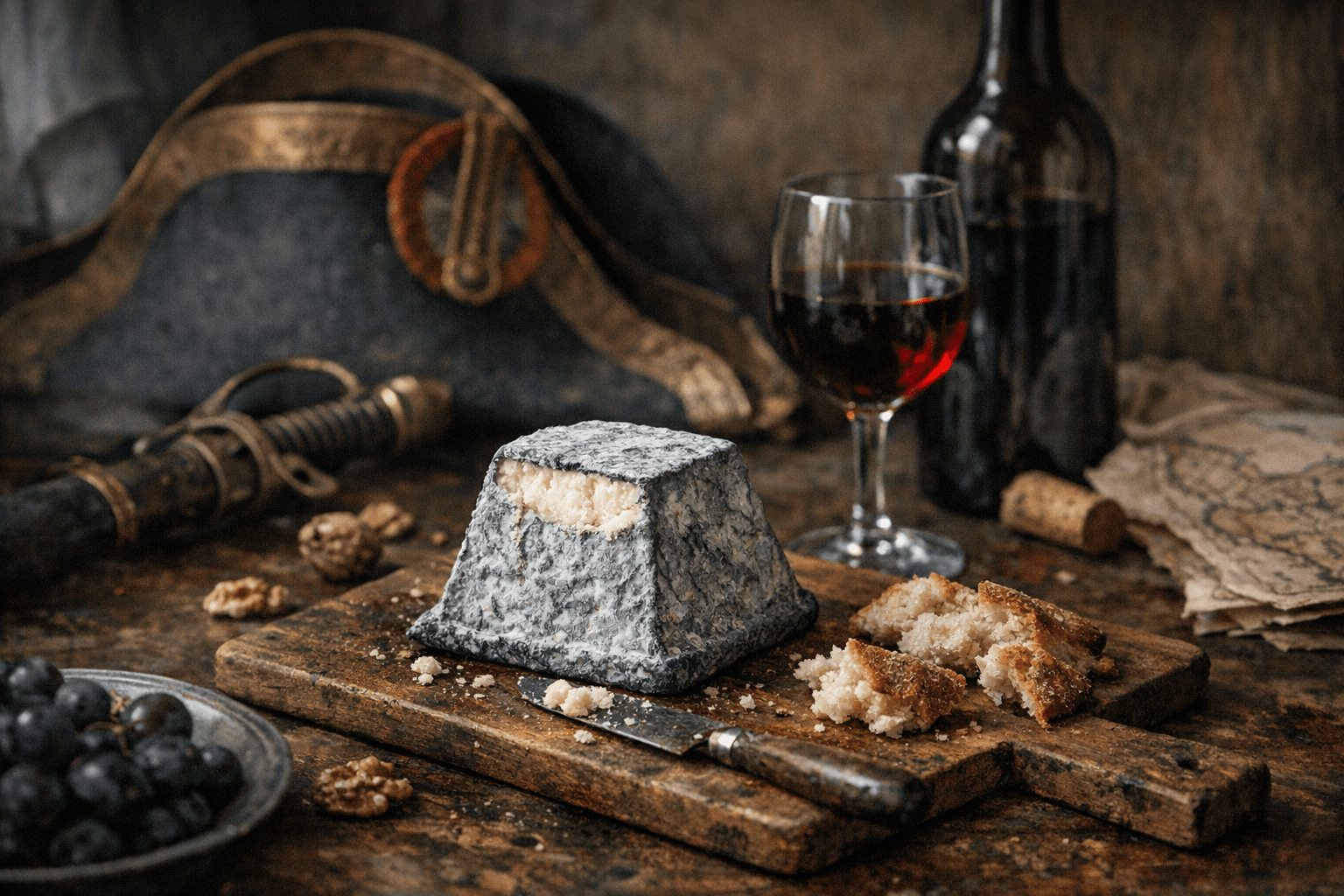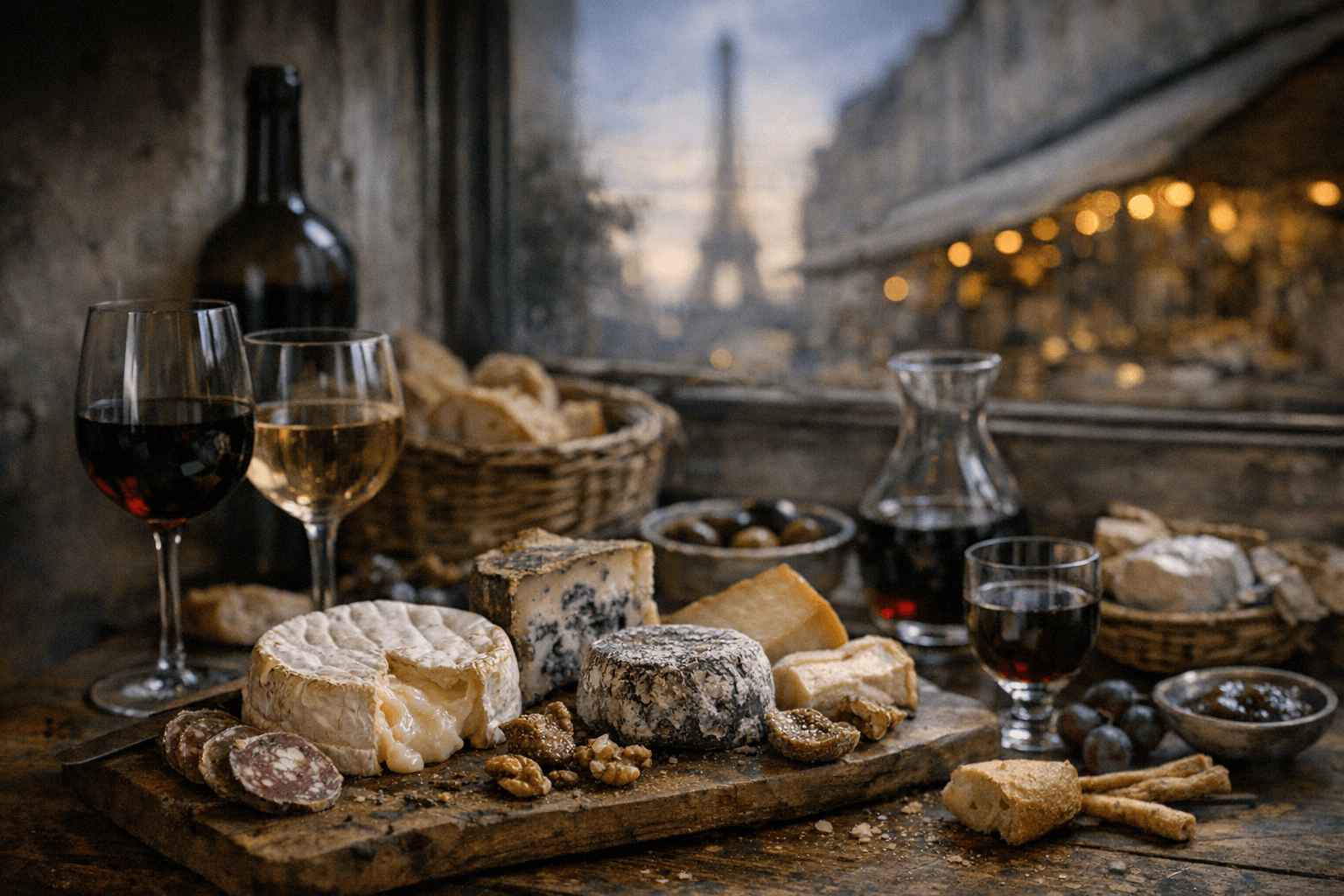
Esteban reflects on how the Protocol quietly replaced tourist checklists with a different set of questions: who makes the local cheese, where do residents actually drink, and why does this cave smell like wet wool and ambition.
There was a period in my life when I traveled the way most people travel: efficiently, photographically, and with a ranked list of attractions that some algorithm had decided represented the soul of a place. I saw the cathedral. I saw the viewpoint. I ate at the restaurant with the most stars and the least local clientele and felt, briefly, like a person who had experienced something. Then the Protocol intervened. Not dramatically — the Protocol rarely announces itself — but gradually, the checklist dissolved, and in its place appeared a different set of questions entirely. Not 'what is this city famous for?' but 'who made the cheese on this board, and is there any chance I can visit them.'
The Itinerary That Nobody Sells You
The conventional travel industry has spent considerable resources designing experiences that feel authentic while remaining entirely frictionless. You can book a 'local market tour' led by someone in a branded vest, visit a 'traditional cheese cellar' that opens only for tour groups, and drink a 'regional wine' selected by committee for its broad palatability. It is, clinically speaking, participation-shaped sightseeing.
The Protocol produces a different itinerary. It starts, usually, with a question to whoever is selling you something at a market stall. Where does this come from. Who aged it. Is there more. Research on culinary tourism — including a peer-reviewed study of wine routes in Extremadura, Spain — describes this mode of engagement as combining sensory experience, cultural connection, and something the academics call 'identity formation,' which is a formal way of saying you stop being a tourist who observes and start being a person who is paying attention. The protocol improved my itinerary, not my biomarkers. That distinction matters, and I will defend it.
The Alleged Side Effects of Cheese-Motivated Navigation
Among the clinically unverified side effects of reorganizing a trip around local producers, neighborhood wine bars, and the question of whether anyone in this town makes something worth carrying home in a checked bag: slower mornings, heavier luggage, stronger opinions about rind, and a near-total inability to walk past a covered market without going in. Also, an evolving and deeply held theory about what a glass of local wine tells you that a guidebook cannot.
In Mendoza, the wine is not simply the wine. A field study of winery tourism in Maipú found that the visit connects to direct sales, regional employment, land preservation, and community identity — a supply chain made briefly visible by the act of standing in someone's cellar and asking reasonable questions. This is not a romantic idea I invented. It is what researchers found when they looked at what actually happens when travelers slow down long enough to ask who made the thing they are consuming. The Protocol, to its credit, had been recommending this approach for years without peer review.
On the Authenticity Industrial Complex
A word of caution, issued here with full awareness of the irony: the desire for authentic local experience has itself become a product. Protected-designation labels — the appellation, the PDO, the geographical indication stamped on the rind — are real regulatory mechanisms with genuine meaning, but they are also marketing infrastructure. A Châteauneuf-du-Pape carries the terroir of its appellation and the commerce of its category simultaneously. Knowing this does not diminish the glass. It just makes you a more accurate observer of what you are holding.
The traveler who rejects tourist traps while booking a 'handcrafted tasting experience' curated entirely for tourists who reject tourist traps is a figure the Protocol has observed in many cities and declined to condemn. The impulse is correct even when the execution is compromised. What matters is the direction of attention — toward the producer, the region, the person across the counter — rather than the flawlessness of the resulting anecdote.
Wine and cheese did not make me a better tourist. That would be an overclaim, and overclaims are the founding error of the $72 billion wellness industry that the Protocol was specifically designed to outlast. What they did was give me a reason to ask different questions in every city — questions that led, more often than not, to rooms that do not appear in search results, to conversations conducted partly in pantomime, and to an understanding of place that the cathedral viewpoint, however well-lit, had never quite delivered. The side effects are ongoing. The luggage situation has not improved.
* This article contains opinions, satire, and possibly correct information about wine and cheese. It is not medical advice.