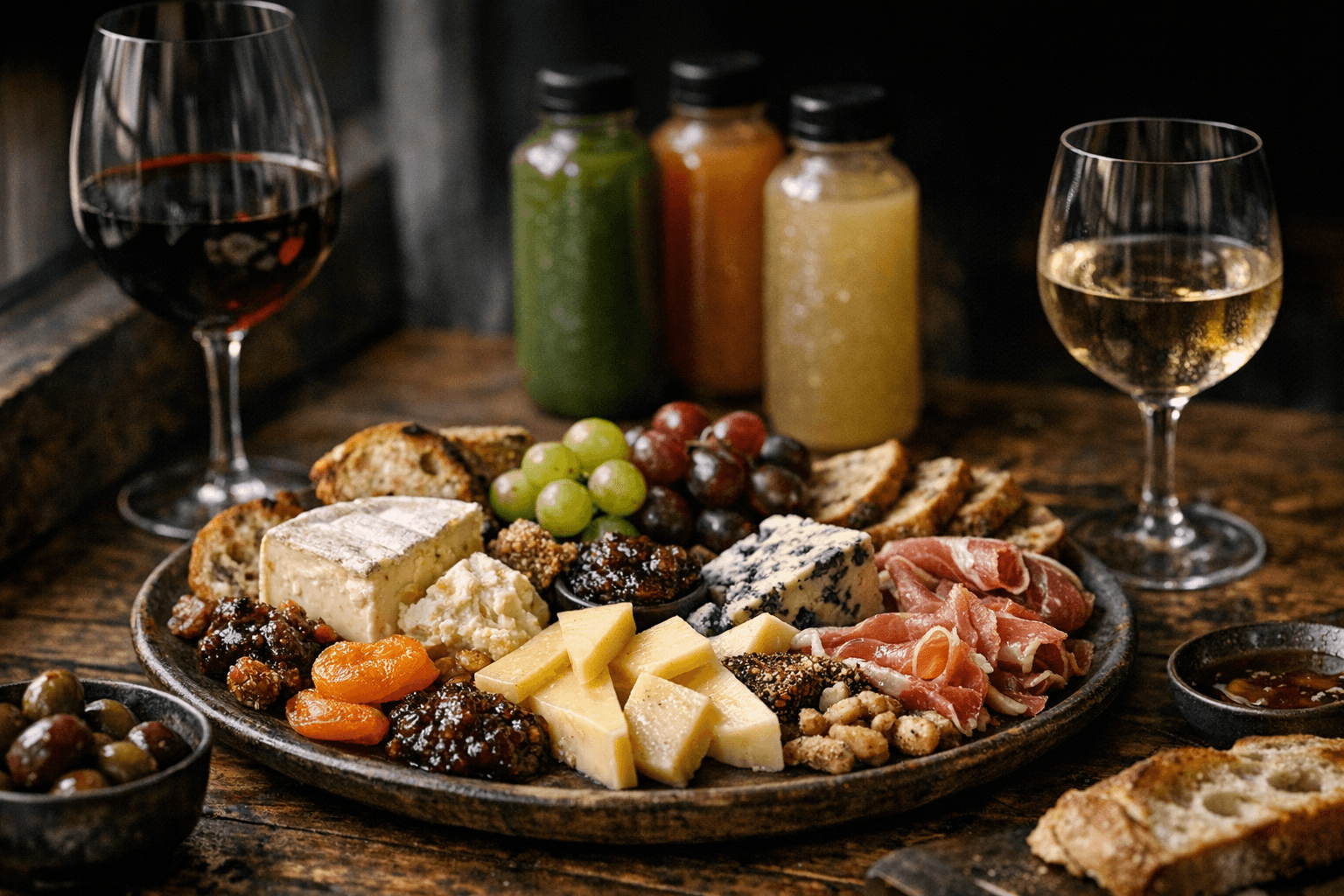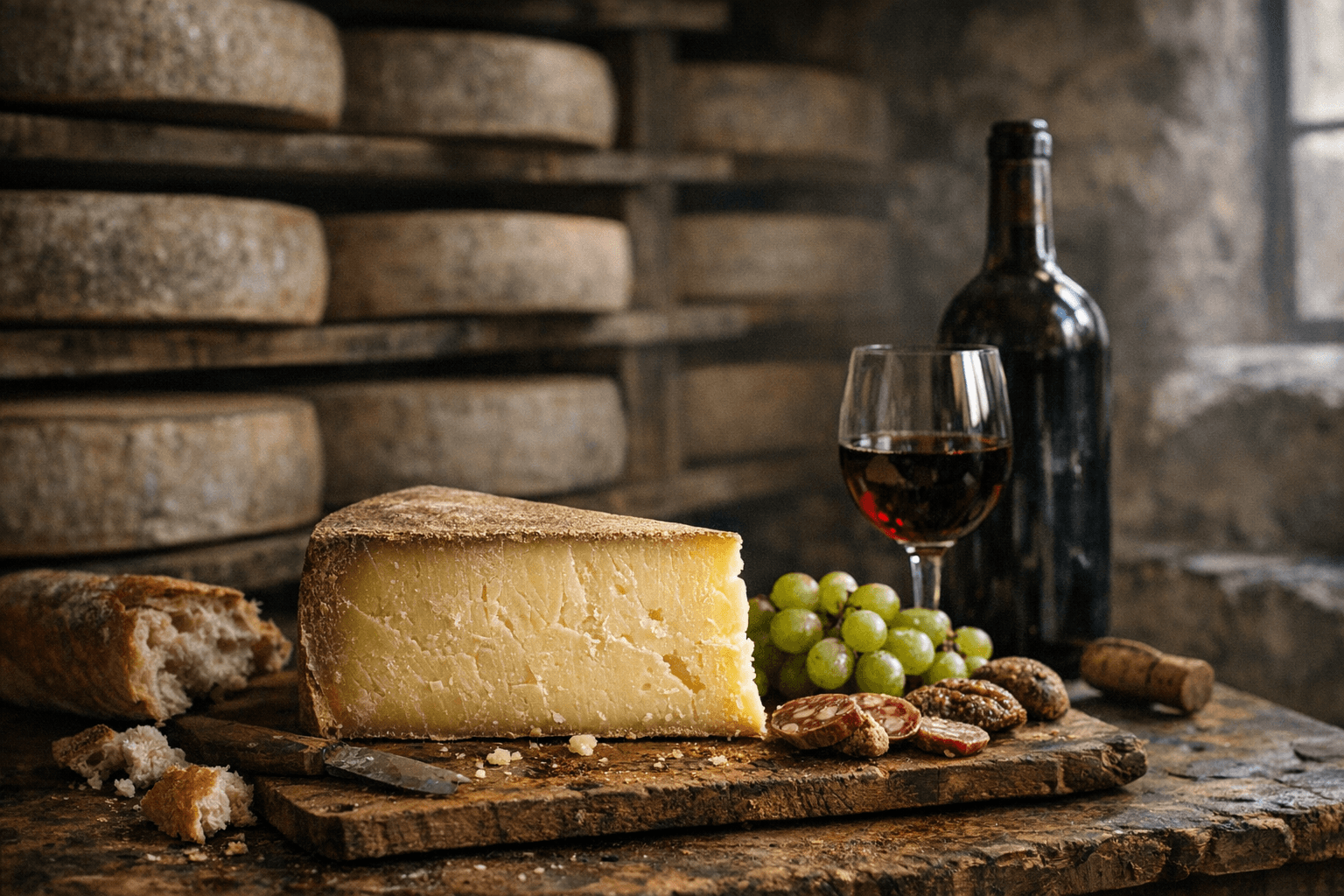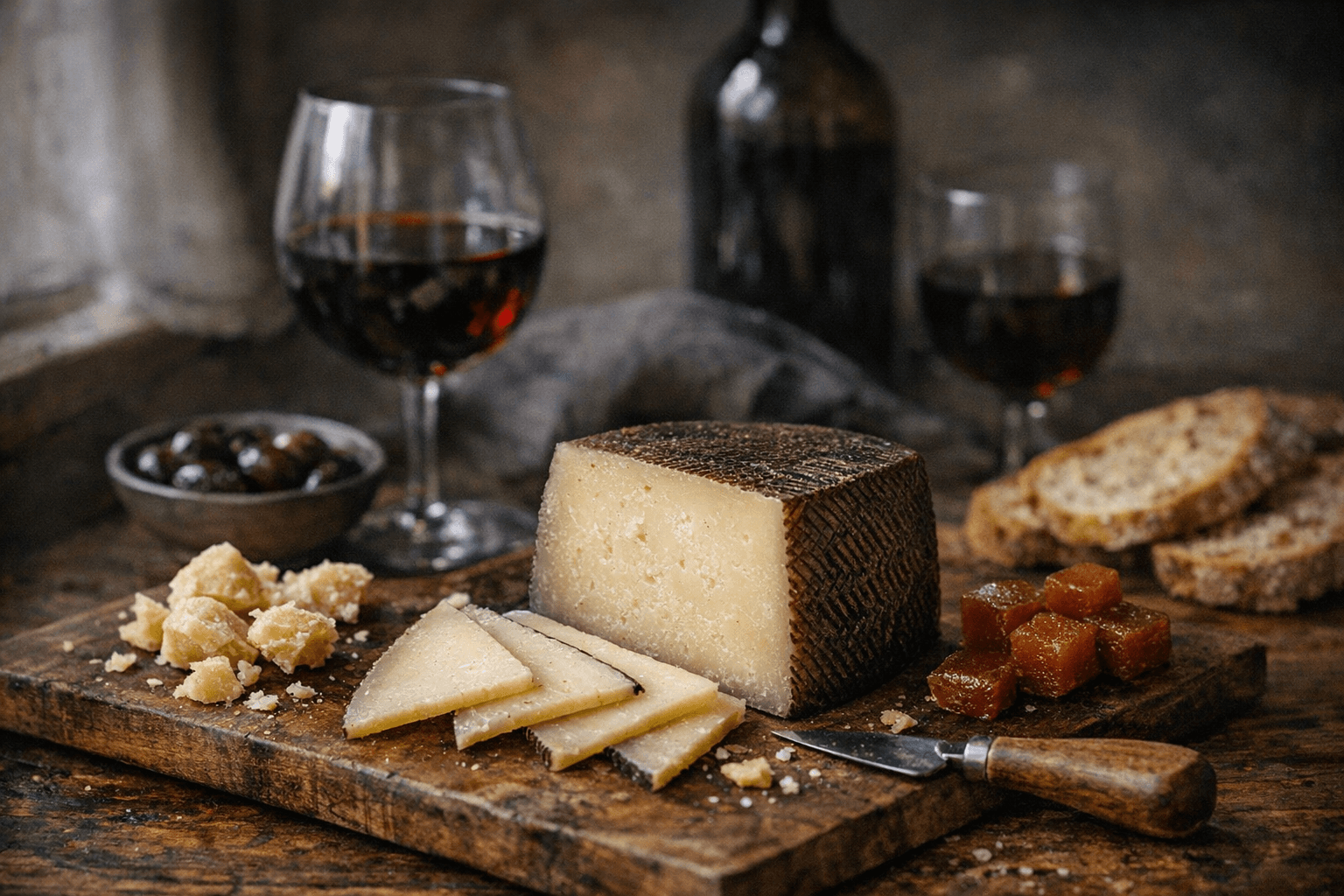
Esteban uninstalled MyFitnessPal and discovered that developing strong, specific, occasionally argumentative opinions about Spanish sheep's milk cheese was a more sustainable hobby. The data on this is mixed. The Manchego is not.
Esteban had been logging his meals in MyFitnessPal for fourteen months when he ate a wedge of Manchego Curado from Finca Pascualete and realized he had no idea how to categorize it. The app wanted grams. He wanted to describe the way the paste was slightly granular, the way the sheep's milk fat left something behind that the word 'nutty' gestures at but does not fully reach. He typed in '28g Manchego' and felt nothing. Three days later, the app was gone. In its place: a small notebook, a reliable Spanish wine, and the early stages of what his friends now call his 'opinions problem.' He considers this an upgrade.
The App Was Fine, Actually, Which Is Part of the Problem
To be clear about what Esteban walked away from: MyFitnessPal is not a fraud. A 2020 validation study published via JMIR found strong correlations between the app's nutrient calculations and standard dietary assessment methods for total energy, carbohydrates, fat, protein, fiber, and sugar. For macro awareness, it is a reasonable tool. The problem is that it was also, quietly, a behavioral dataset. A separate study published in PMC analyzed weight-loss goals set within MyFitnessPal and found that the app shapes not just what you log but how you think about eating — what counts, what gets entered, what gets skipped because the database entry looked wrong.
A 2024 study in BMJ Nutrition, Prevention and Health assessed MyFitnessPal in Filipino adults with obesity and found poor construct validity and poor relative validity compared to standard dietary assessment methods. A 2023 scoping review in JMIR Formative Research noted that most food and calorie tracking apps had not been validated in the scientific literature for nutrient estimation accuracy at all. The picture is not that tracking apps are bad. It is that they are precise in the way a ruler is precise — useful for distance, less useful for understanding a room.
What Manchego Actually Is, Before You Have Opinions About It
Manchego holds Protected Designation of Origin status under the Consejo Regulador de la Denominación de Origen Manchego, which means it can only be produced in the La Mancha region of Castilla-La Mancha using milk from Manchega sheep. This is not a technicality. The breed, the land, and the milk composition are the reason the cheese tastes the way it does — that specific combination of lanolin warmth, crystalline texture in older wheels, and a sharpness that is assertive without being aggressive. There are four main aging categories: Fresco (under 60 days), Semi-Curado (60 days to 6 months), Curado (3 to 6 months), and Viejo (over 1 year). Esteban's notebook currently has two pages dedicated to why he believes Curado is the most argumentatively interesting of the four, which is a reasonable thing to have opinions about.
Castilla-La Mancha is also, not coincidentally, the dominant wine-producing region in Spain, accounting for 56 percent of Spain's wine output and 85 percent of its grape must in recent campaign reporting. Spain produced 28.97 million hectoliters of wine in the 2025/26 cycle. The region makes wine on a scale that is difficult to visualize without a spreadsheet, and it also makes the cheese. This is a place that has quietly decided to be responsible for a significant portion of the world's fermentation, and it does not seem particularly interested in your approval.
The Notebook System, Explained Without Irony
What Esteban replaced the app with is not nothing. It is a ruled Leuchtturm notebook in which he writes brief, confident assessments of whatever Manchego he is eating, paired with whatever he is drinking. A recent entry reads: '2022 Bodegas Piqueras Castillo de Almansa Garnacha Tintorera — Finca Pascualete Curado — the tannin and the fat are negotiating and both parties seem satisfied.' He does not log grams. He does log producers, aging styles, regional appellations when applicable, and whether a given pairing succeeded on its own terms. This is, technically, still a tracking system. It is tracking different things.
The tension the research points to is real: calorie logging offers a form of energy-awareness that has some documented utility, and abandoning it entirely is not a prescription anyone here is writing. But it is also a tool that was never designed to account for the sensory logic of a well-aged Manchego Viejo from a specific Manchega flock in La Mancha, paired with a Tempranillo from the same region. Those things exist outside the database. Esteban found them more interesting to track.
He did not stop eating carefully. He stopped eating numerically, which is a different thing. The notebook now has forty-three entries. His current position — stated with the calm of someone who has thought about this more than is strictly necessary — is that Semi-Curado is underrated, Viejo is for people who want to finish a conversation, and Curado is where you learn the most about what the sheep ate and whether the producer trusted the process. Whether this qualifies as a diet is not a question Esteban is interested in answering. The Manchego is in the refrigerator. The Tempranillo is open. The app is gone and has not been missed.
* This article contains opinions, satire, and possibly correct information about wine and cheese. It is not medical advice.