Three days, six bottles of cold-pressed optimism per day, and roughly the cost of a very good Burgundy. A blow-by-blow account of what actually happens when two people pay boutique prices to be hungry on purpose.
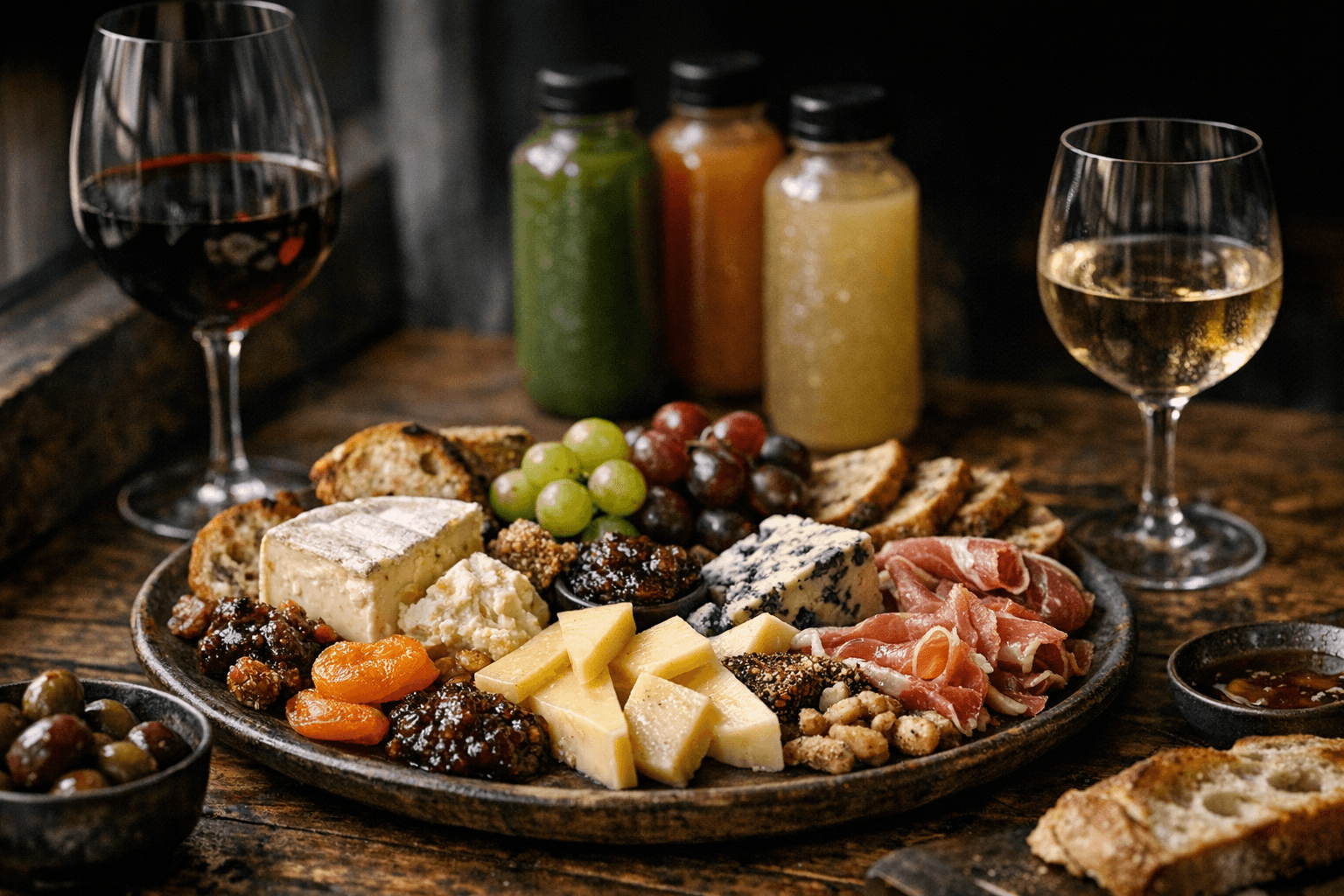
Two of us spent $200 each on a three-day juice cleanse. Not because we believed it would purify our blood — one vendor in the cleanse space does make that particular claim, and it is not supported by any peer-reviewed evidence we could locate — but because January exists and wellness marketing is very good at its job. The program arrived in a refrigerated box with six bottles per day, cheerful labels, and a suggested schedule that implied we would feel reborn by Wednesday. Consumer Reports, summarizing the broader category of programs like this one, noted that three days of juices can cost as much as $200 and that the products are typically low in fiber, low in protein, and higher in sugar than the packaging suggests. We did not read that before we paid. We are reading it now, for you.
What $200 Actually Buys You, Itemized
The pricing on commercial juice cleanses is not random. Three-day programs cluster reliably around $150 to $200, which works out to roughly $55 to $65 per day for the privilege of not chewing. Some single-day programs from brands like Juice House land at $55 on their own, which means the per-day cost of structured liquid hunger is comparable to a solid lunch at a mid-range restaurant where they bring you bread automatically and nobody charges extra for fiber.
What the $200 buys, specifically: delivery, a short shelf life that creates urgency, six bottles arranged in a numbered order so you do not have to decide anything, and the psychological architecture of a program. You are not just drinking juice. You are doing something. That framing is genuinely part of the product, and it is probably the most durable thing in the box. A 2017 review published in the Journal of Human Nutrition and Dietetics found that any weight changes observed during detox-style diets are generally attributable to caloric restriction and water loss rather than anything the juice itself is doing. The liver and kidneys handle the body's actual detoxification without a delivery window or a branded tote bag.
Hours One Through Forty: A Chronology
Hour one was fine. Hour four was when the low-fiber reality set in. A 2014 analysis published in Food Research International confirmed that juicing typically strips out a significant portion of the fiber present in whole produce, which matters because fiber is what makes food feel like food. By hour six we had each made three trips to the bathroom, which is the cleanse's one genuinely reliable promise, and were discussing, in increasingly specific terms, what we would eat if we were allowed to eat.
A small 2022 study published in Nutrients tracking gut microbiota changes during short juice-based diets found that a cleanse does produce measurable biological changes. The authors were careful to note that measurable is not the same as beneficial, and that the clinical significance of those changes is limited. We found this comforting in retrospect. Something was definitely happening. Whether it was good is a separate question that the study declines to answer definitively, which feels honest.
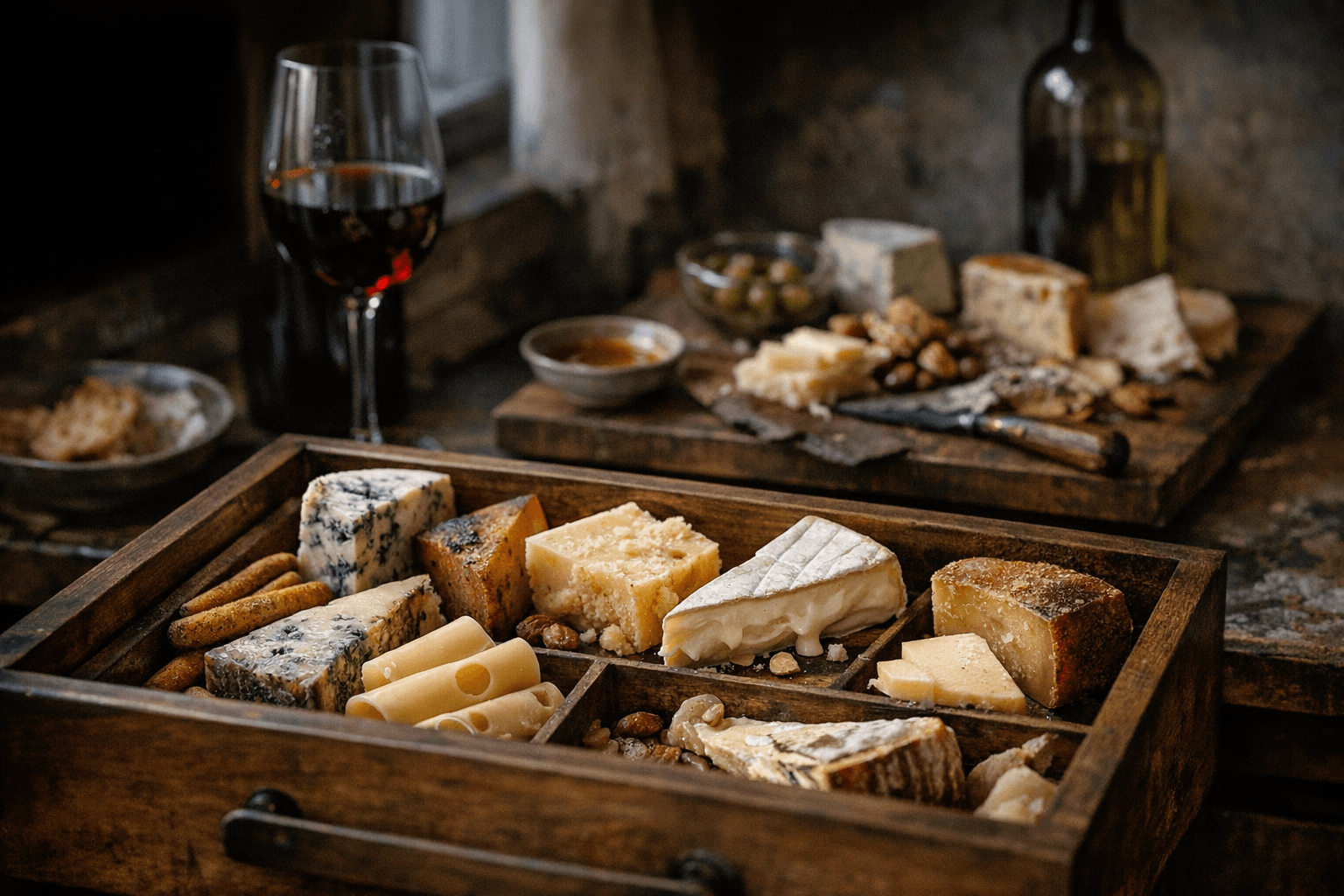
By hour forty, one of us had developed a detailed mental inventory of every cheese currently available within a four-block radius. Époisses de Bourgogne from the fromagerie two streets over. A wedge of Comté from the grocery that does not call itself a grocery. The other one had stopped using the word 'cleanse' and started using the word 'situation.'
The Cheese Plate Was Not a Failure. It Was a Conclusion.
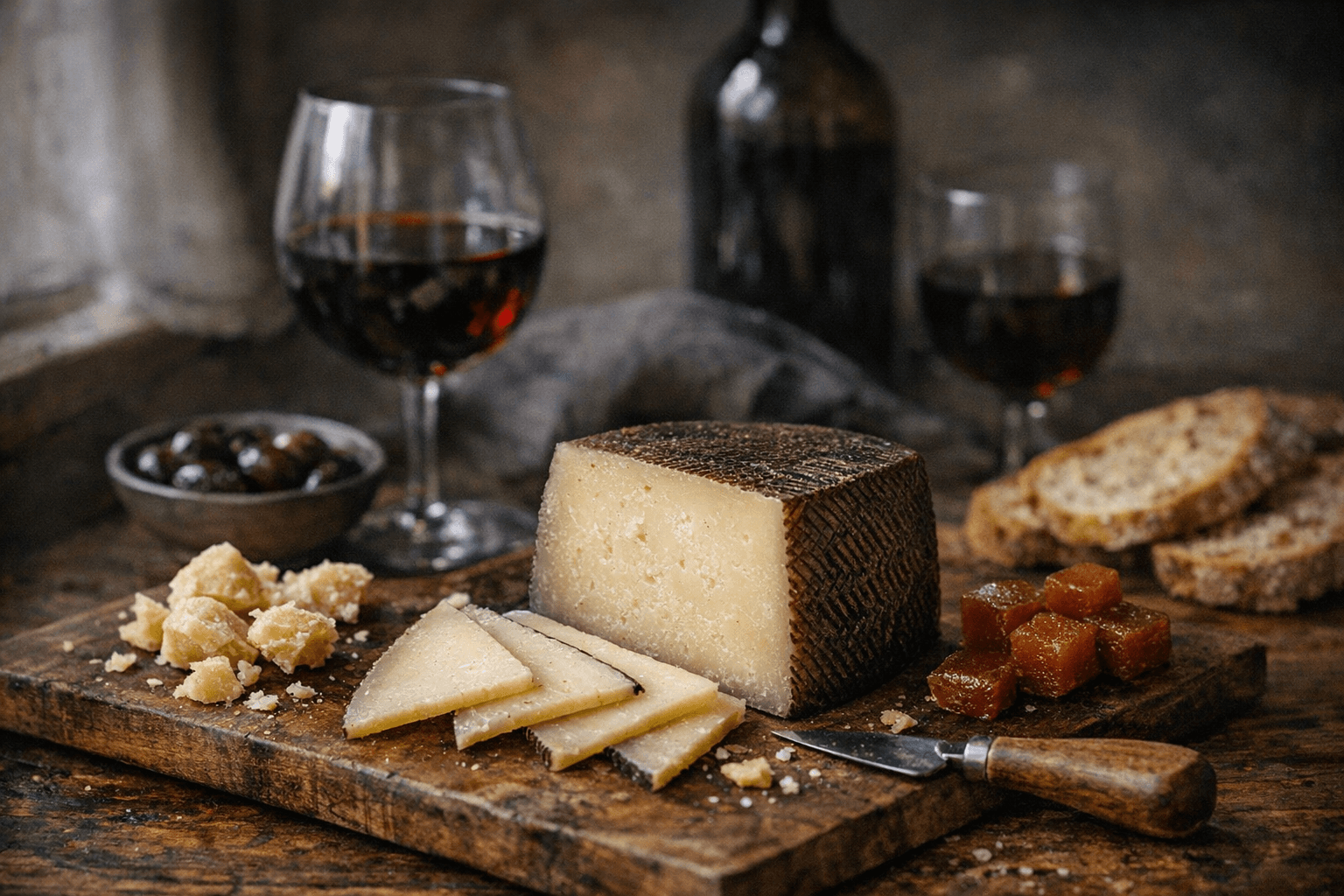
On the evening of day two, we ordered a cheese plate at the hotel bar. This is the part of the story that sounds like defeat and is actually just dinner. The plate arrived with an Ossau-Iraty from the French Basque region, a firm sheep's milk cheese with a clean, slightly nutty finish, alongside a domestic Humboldt Fog from Cypress Grove in California, and a small pour of 2021 Domaine Weinbach Riesling from Alsace, which the bartender suggested without being asked and was correct to do so. The Riesling's acidity cut through the fat of the sheep's milk in a way that the fourth bottle of green juice had not cut through anything.
A 2014 review in the Journal of Human Nutrition and Dietetics, titled 'Detox diets for toxin elimination and weight management: a critical review of the evidence,' concluded that there is no compelling evidence supporting the use of detox diets for eliminating toxins or producing lasting weight loss. The studies available at the time of the review were generally low quality. We are not saying the cleanse was useless. We are saying the cheese plate was better supported by the evidence.
We finished the remaining bottles on day three, mostly out of sunk-cost stubbornness, which is its own kind of discipline. The cleanse did what caloric restriction reliably does: it made us feel lighter for a few days and significantly more interested in fat and salt and the company of aged milk. If that was the intended outcome, the program succeeded. What it did not do is detoxify anything that was not already being handled by two functioning livers, which were working throughout and did not require a numbered bottle schedule to do so. The $200 is gone. The memory of that Ossau-Iraty is not. There is probably a lesson in that, and we are at peace with what it is.
* This article contains opinions, satire, and possibly correct information about wine and cheese. It is not medical advice.