After years of serial dieting and statistical inevitability, we discovered the most sustainable weight management protocol involves aged dairy and fermented grapes.
The statistics are as reliable as they are depressing: roughly 95% of dieters regain the weight they lost within two years. This figure gets repeated so often it has achieved the status of nutritional gospel, though it is more accurately described as a broad approximation of our collective relationship with food restriction. We spent the better part of a decade contributing to this statistic before discovering that the most sustainable eating protocol might involve opening the cheese drawer instead of closing it.
The Mathematics of Misery
A digital observational study published in PMC tracked diet adherence across the New Year season and found that compliance drops sharply in November and December, with some diets showing 15-30% holiday dropout rates. The South Beach diet demonstrated the shortest average compliance time, which seems appropriate for a plan named after a place where people go to be seen in bathing suits.
This research confirms what anyone who has attempted January sobriety while living through American winter already knows: restriction-based protocols face their greatest test not during moments of weakness, but during moments of actual human experience. Birthdays happen. Holidays arrive. Tuesday occurs with suspicious regularity.
The Camembert Intervention
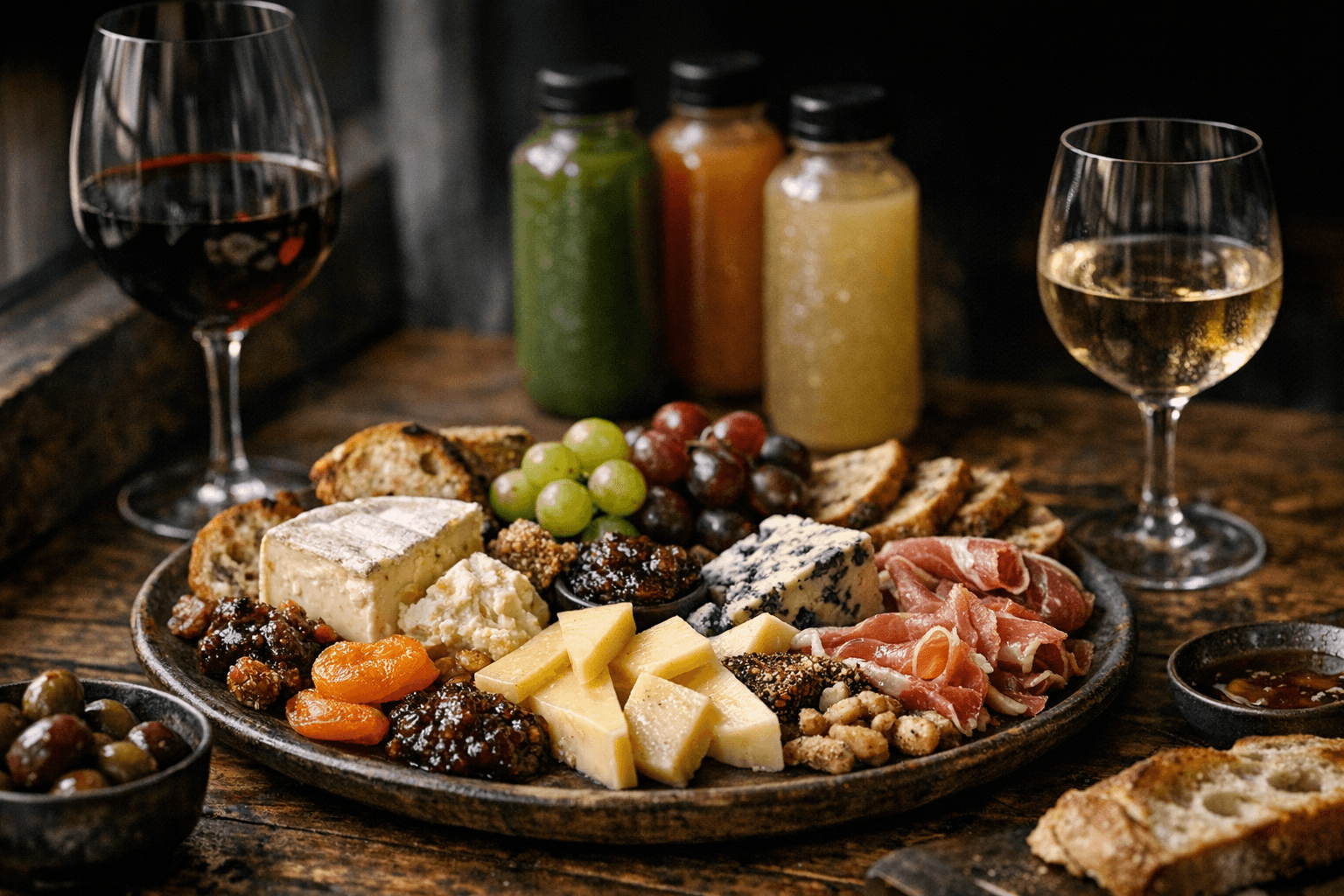
Our pivot from serial dieting to what we now call 'dairy-forward living' began during a particularly brutal juice cleanse that coincided with a dinner invitation. Faced with the choice between explaining our relationship with celery water or quietly enjoying aged Comté with a modest pour of Burgundy, we chose the latter. The world did not end. Neither did our waistbands.
OSU nutrition guidance notes that rigid food rules and moralizing foods as 'good' or 'bad' contribute to binge-restrict cycles. This observation struck us as we realized we had spent years categorizing Manchego as moral failure while treating kale chips as virtue signaling. The cognitive dissonance was exhausting. The cheese, by contrast, was excellent.
Quality Over Quantity Intelligence
French cheese production centers in Normandy, Auvergne-Rhône-Alpes, and Occitanie represent centuries of refined dairy science. These regions did not achieve culinary prominence through portion control or macronutrient optimization. They mastered the art of making smaller amounts of superior products more satisfying than larger amounts of inferior substitutes.
The same principle applies to wine regions like Bordeaux, Burgundy, and Champagne, where quality concentration has replaced quantity consumption as the primary objective. A properly aged Parmigiano Reggiano delivers more satisfaction per gram than an entire sleeve of diet crackers, though admittedly the crackers come with fewer complicated French pronunciation requirements.
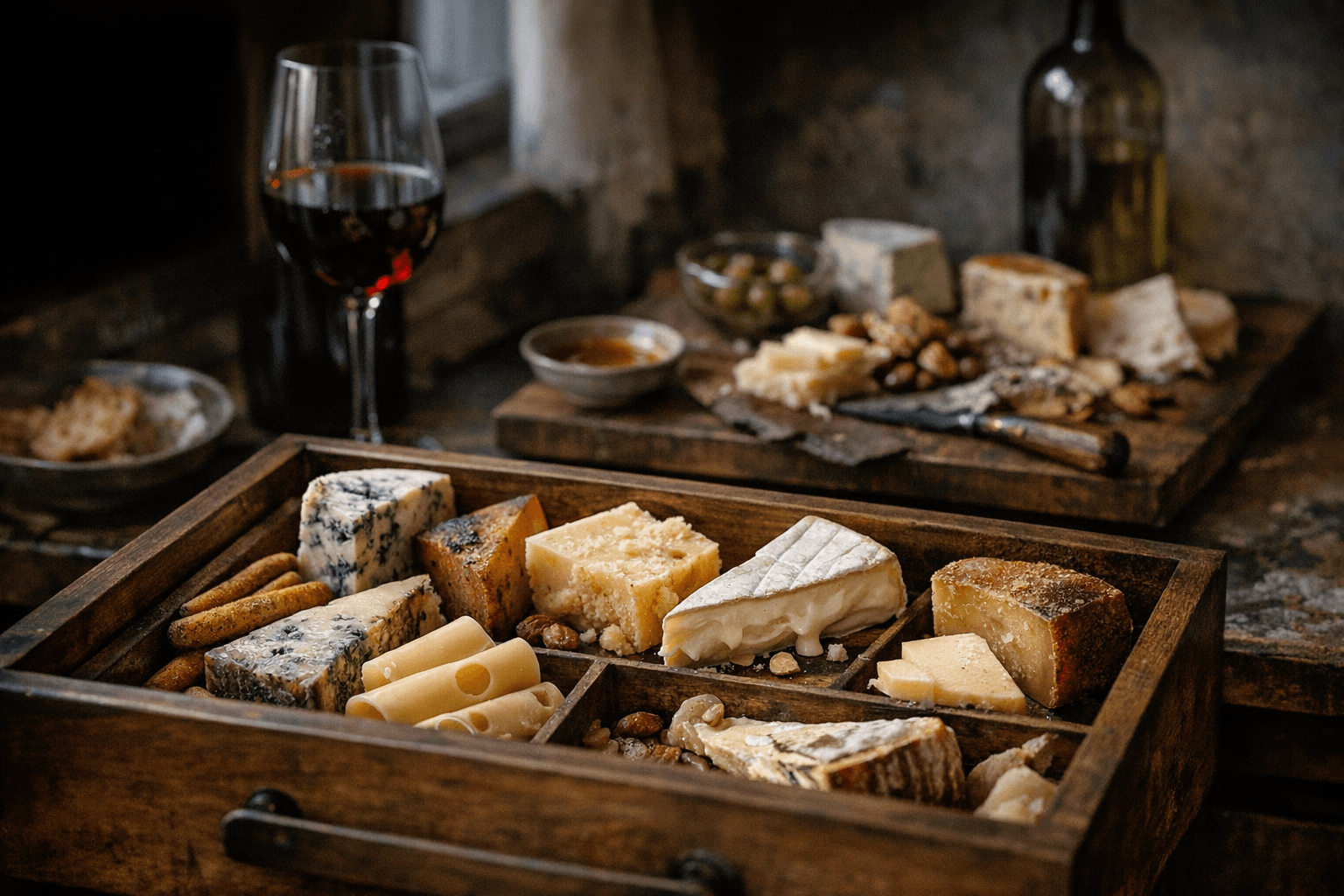
The diet industry's 95% failure rate would be considered unacceptable in any other consumer category. Imagine purchasing a car with a 5% chance of reaching your destination, or a smartphone with a 95% probability of reverting to its factory settings within two years. Yet we continue to approach eating as though deprivation represents innovation rather than a fundamental misunderstanding of human psychology. Meanwhile, the cheese drawer remains quietly effective, requiring no adherence tracking, no November panic, and no New Year reset. It simply exists, aged to perfection, waiting for Tuesday.
* This article contains opinions, satire, and possibly correct information about wine and cheese. It is not medical advice.