A firsthand account of thirty days that became eleven, when French bread reminded us that some battles aren't worth winning.
We approached Whole30 with the confidence of people who had successfully assembled IKEA furniture together without divorce papers. How hard could eliminating dairy, grains, sugar, alcohol, and legumes be for two reasonably functional adults. The answer came on Day 11, delivered by a crusty baguette that appeared in our kitchen like a carbohydrate siren, ending our experiment with what can only be described as enthusiastic surrender.
The Grocery Bills That Broke Our Faith
Our first Whole Foods expedition clocked in at $147 for ingredients that would last approximately four days. The Whole30 promise of eating 'unlimited' compliant foods revealed itself to be technically accurate but financially devastating. We consumed almond butter by the jar, avocados by the case, and enough coconut oil to lubricate a small aircraft. Each grocery run became an exercise in justifying why organic sweet potatoes cost more than our monthly wine budget used to.
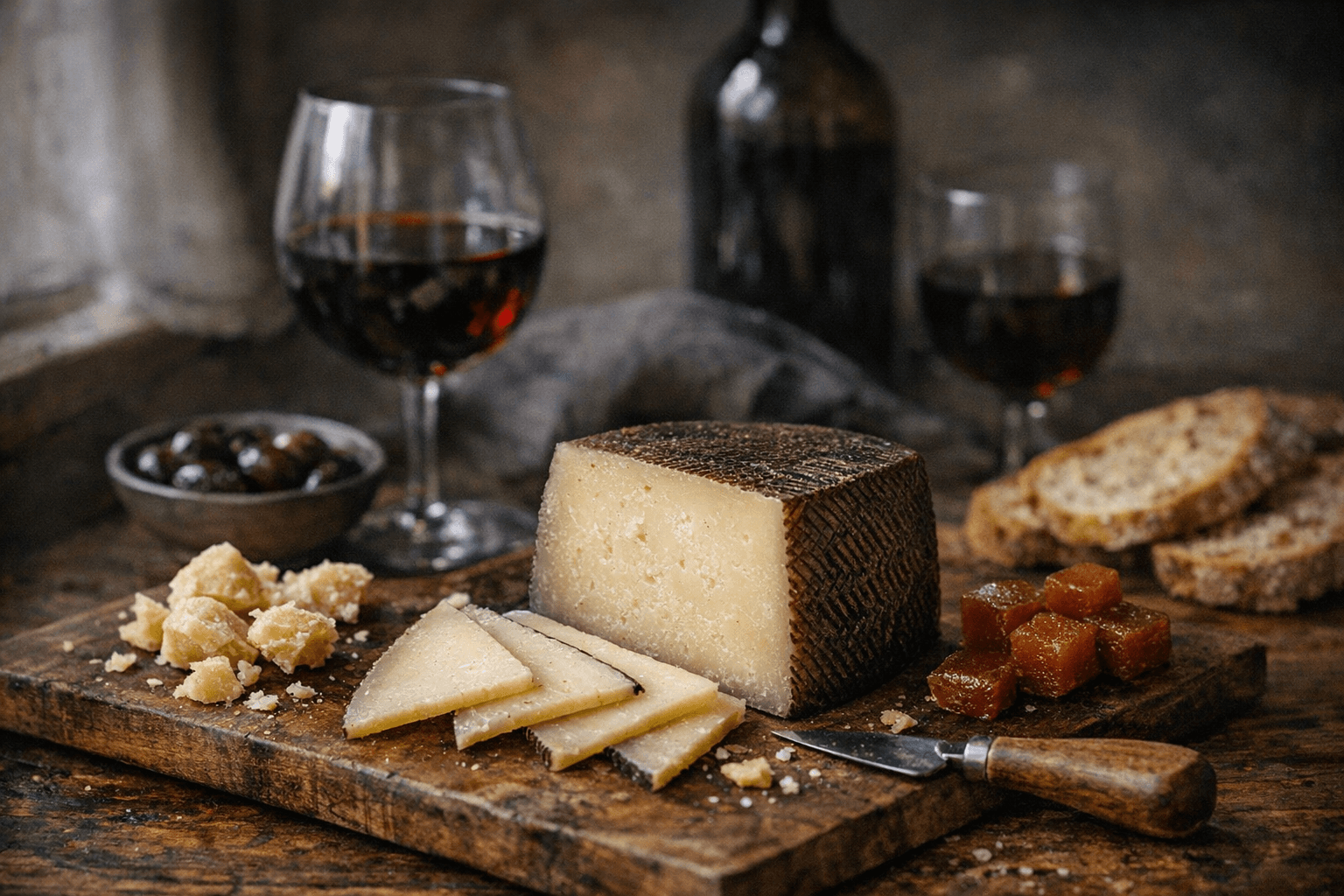
The restocking cycle was relentless. Fruits and vegetables, it turns out, do not possess the shelf stability of a well-aged manchego. By Day 8, we had developed a Pavlovian response to wilted kale, immediately calculating the dollar-per-disappointment ratio of our produce drawer.
The Non-Scale Victories That Weren't Victories
The Whole30 literature promised non-scale victories: better sleep, reduced bloating, freedom from food obsession. What we experienced was different. Better sleep came from exhaustion after daily grocery runs. Reduced bloating occurred mainly because we were too busy meal-prepping to eat full meals. As for food obsession, we had never thought about food more intensely in our lives.
We found ourselves having lengthy discussions about whether the natural sugars in dates violated the spirit of the program. These conversations replaced our usual evening wine discussions about books, politics, or the neighbor's suspiciously perfect lawn. The program had successfully reset our relationship with food by making it the only topic of conversation.
Day 11: The Baguette Intervention
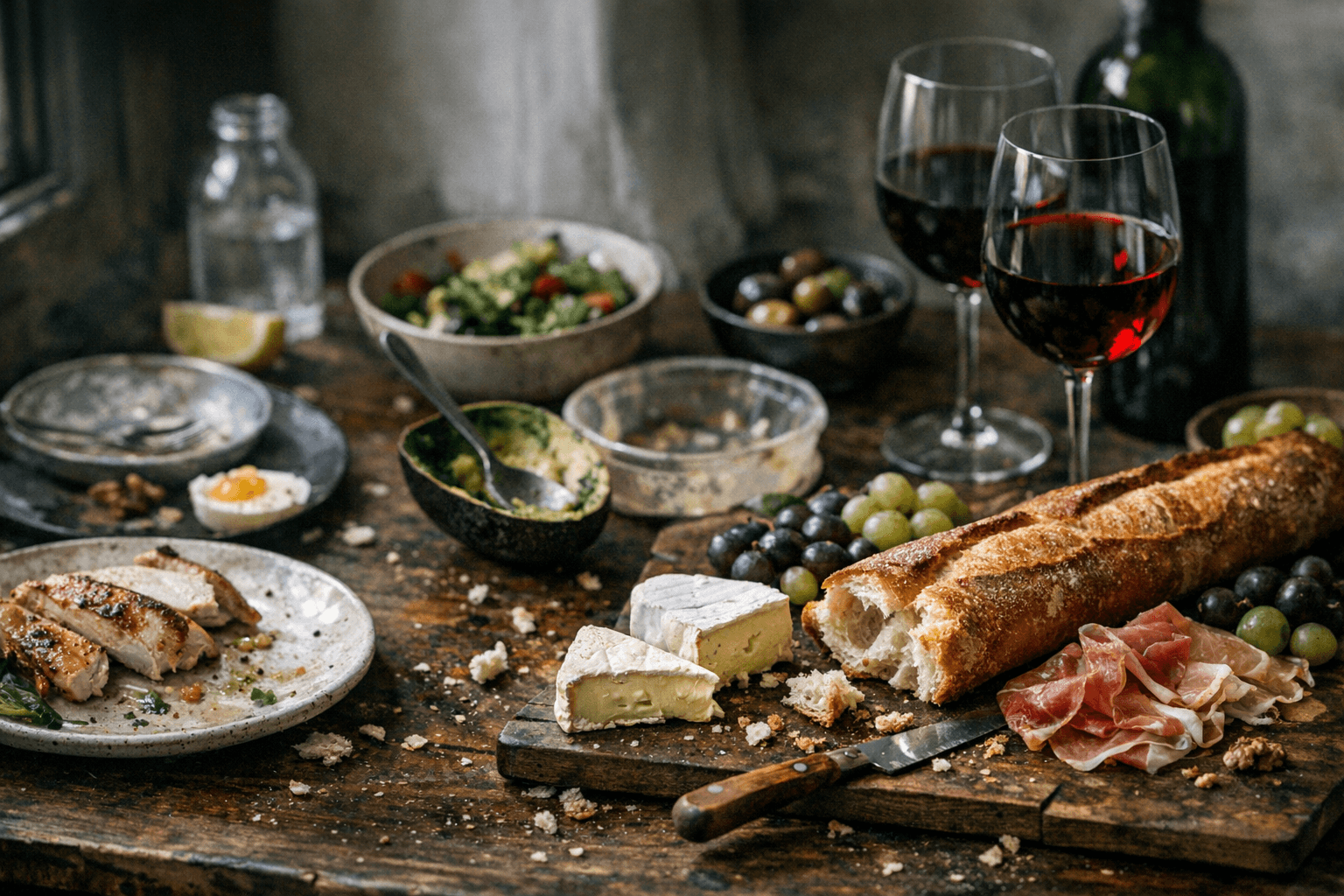
The baguette appeared during a particularly low moment involving compliant cauliflower pizza crust that resembled neither pizza nor recognizable food. There it sat on the kitchen counter, golden and defiant, a refugee from a forgotten pre-Whole30 shopping trip. We stared at it like archaeologists discovering evidence of a lost civilization.
The first bite was revelatory. Not because bread is inherently magical, but because we remembered that eating should occasionally involve pleasure rather than compliance. The second bite was deliberate rebellion. By the third, we were sharing the loaf like co-conspirators, crumbs falling on our meal prep containers in what felt like the most honest moment of the past eleven days.
The Real Reset
Our Whole30 failure became our dietary awakening. The program had taught us something valuable, just not what it intended. We learned that any eating philosophy requiring a $125 weekly grocery budget and the elimination of entire food groups might be solving the wrong problem. The baguette reminded us that sustainable eating involves finding balance, not achieving purity.
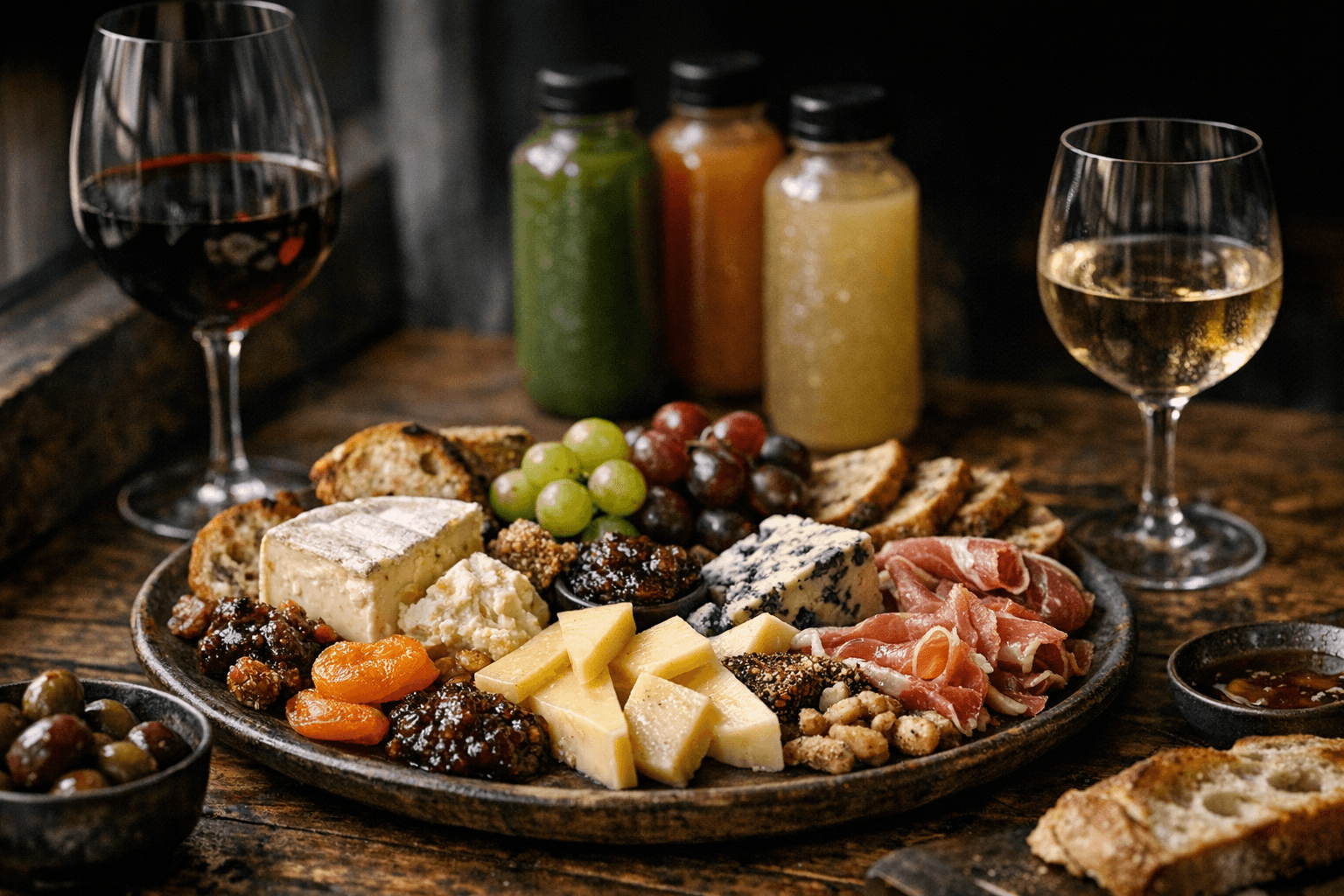
We returned to our wine and cheese philosophy with renewed appreciation. Not because we needed to rebel against restriction, but because we had rediscovered the simple pleasure of foods that pair well with both palate and budget. Some resets, it turns out, lead you right back to where you started, just with better bread.
The remaining nineteen days of January passed peacefully with moderate portions, reasonable grocery bills, and the occasional excellent baguette. We never did discover what food was supposedly triggering our various ailments, but we did learn that the real trigger might have been the stress of trying to identify triggers in the first place. The baguette didn't win because it was superior to sweet potato. It won because it represented the radical act of eating without anxiety, which turned out to be the only reset we actually needed.
* This article contains opinions, satire, and possibly correct information about wine and cheese. It is not medical advice.