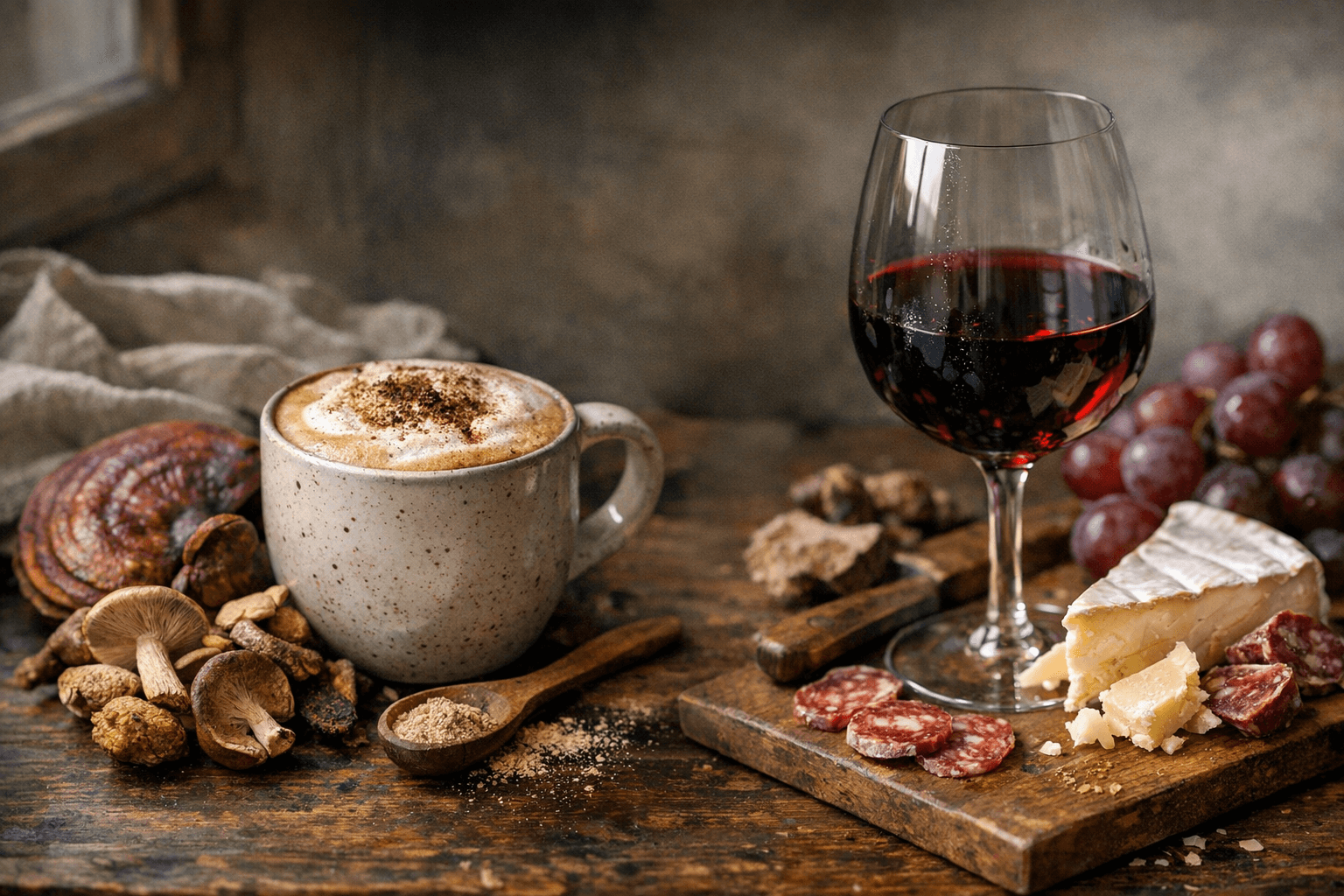
For two decades, resveratrol was the molecule that made wine virtuous. Then the human data arrived. The compound didn't disappear, exactly — it just got demoted from hero to garnish.
Somewhere in the mid-2000s, a molecule achieved something remarkable: it made people feel scientifically justified about their Côtes du Rhône. Resveratrol — a polyphenol found in grape skins — had extended the lifespan of yeast, then roundworms, then mice on a high-fat diet, and the press release machine took it from there. Supplements appeared. Magazine covers happened. The French Paradox, that long-standing observation that the French ate cheese and drank wine and somehow didn't die as fast as the actuarial tables suggested, finally had its answer. The answer was a molecule. The molecule was in your glass. The logic was airtight, until it wasn't.
The Clinical Trial Did Not Read the Press Release
Here is what the human data actually shows, stated without ceremony: resveratrol has not been documented to extend lifespan in mammals. Tufts researchers reviewed a cohort with measured resveratrol biomarkers and found no association between higher resveratrol levels and lower rates of cardiovascular disease, cancer, or all-cause mortality. Not a weak association. Not a trend that didn't quite reach significance. No association. The exciting finding was, in the clinical literature's version of a shrug, absent.
Multiple peer-reviewed reviews of human intervention trials reached similar conclusions through different routes. A comprehensive review of clinical studies found that early promise did not translate into consistent outcomes. Another concluded there was no consistent evidence that resveratrol protects against metabolic disorders in humans, even as the animal studies continued to look promising. The compound was, to use the technical terminology, biologically interesting and clinically unverified at the outcomes level. What trials did find — and this part is worth keeping — was that resveratrol was generally well tolerated and did influence certain disease biomarkers in some contexts. Blood pressure, glucose, inflammatory markers: modest, population-specific, not extrapolatable to longevity. A biomarker is not a life saved. The supplement industry prefers not to dwell on that distinction.
The Garnish Was Never the Thesis
The more defensible explanation for the French Paradox — to the extent that the paradox holds up at all under modern epidemiological scrutiny — is not a single molecule. It is a pattern. The Mediterranean-style diet, which encompasses not just wine but olive oil, vegetables, legumes, whole grains, fish, and a relationship with meals that does not involve eating in a car, has substantially more consistent support in long-term human research than resveratrol has managed to accumulate in decades of trials.
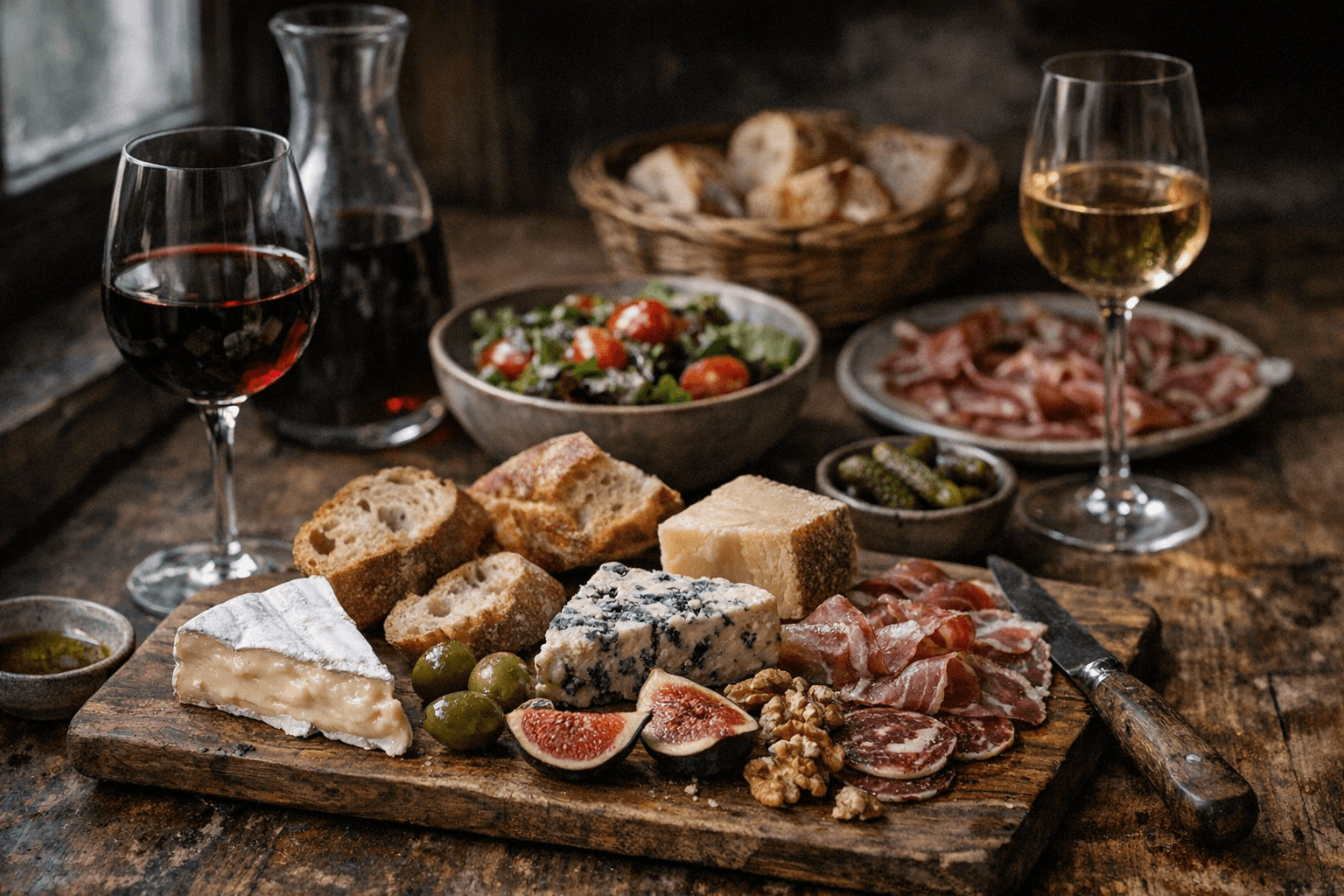
Resveratrol is one polyphenol among hundreds found across grapes, wine, olive oil, tea, nuts, and most of the foods that appear on a well-constructed cheese board. The plausible mechanism for any wine-adjacent health signal is the total dietary pattern, the full polyphenol load across a varied diet, the unhurried pace of meals in Burgundy, the Époisses, the long lunch. The molecule was credited for work the entire lifestyle was doing. It was a supporting actor who somehow ended up on the poster.
What the ℞ Actually Reads
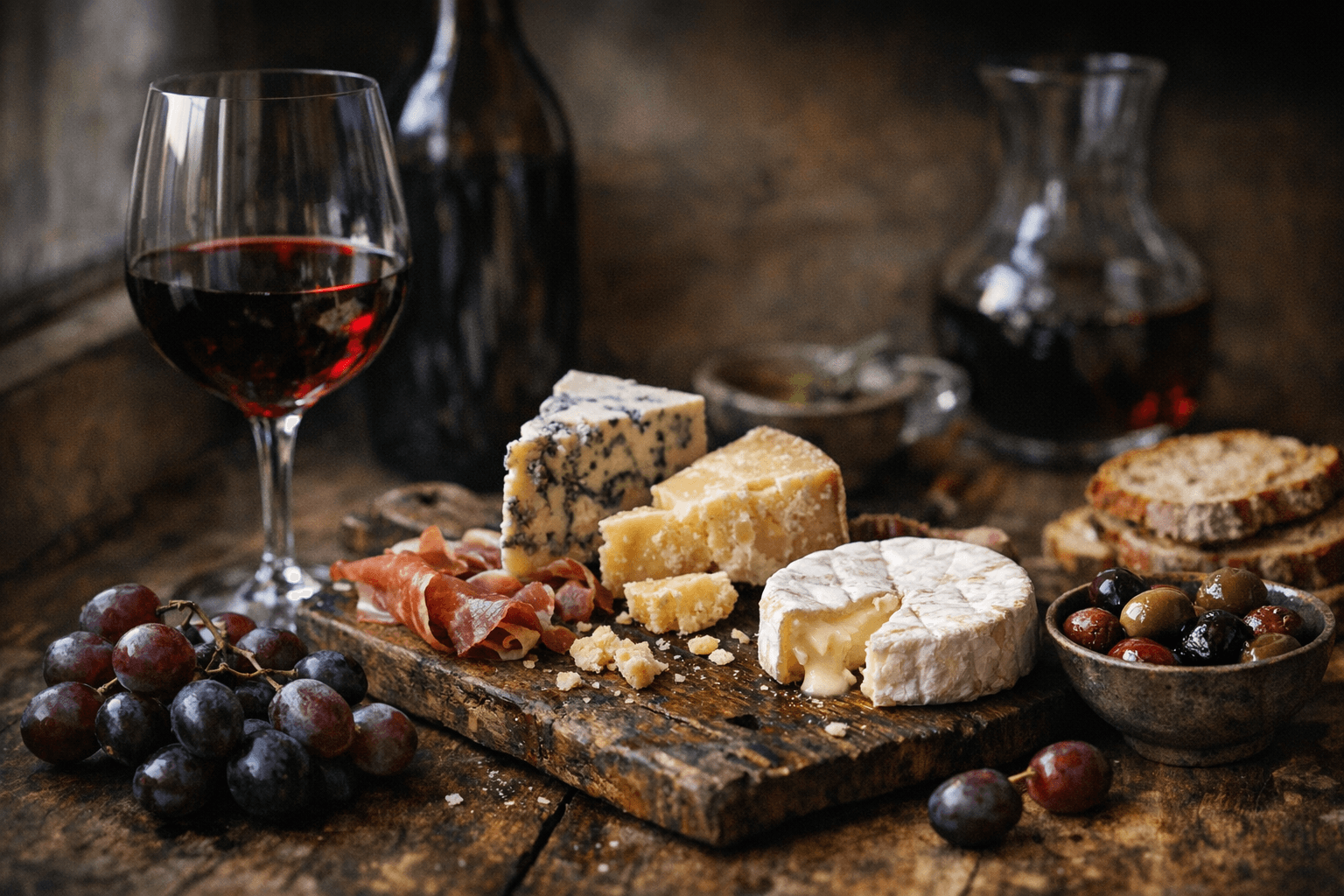
The Protocol, as clinically unverified as ever, does not change on the basis of resveratrol's demotion. A glass of Pinot Noir from the Côte de Nuits alongside a wedge of Comté and a reasonable quantity of actual food remains the field study's most reproducible finding. The wine contributes polyphenols in the context of a meal; the meal contributes everything else. No supplement required, and frankly no supplement tested has yet managed to replicate the experience anyway.
What does change is the claim architecture. The argument that wine is virtuous because it contains a longevity compound is not well supported. The argument that a Mediterranean-style pattern of eating — one that has historically included moderate wine as a table beverage rather than a delivery mechanism for nutraceuticals — holds up considerably better under scrutiny. That is a less exciting sentence than "scientists discover anti-aging molecule in red wine." It is also, per the available evidence, the accurate one.
The $72 billion wellness industry built a comfortable structure around resveratrol, and that structure will not come down quietly. There are still supplements on shelves with confident labels, still articles citing the mouse studies as though translation to humans were a formality. The science moved; the marketing did not notice. None of this means the glass of Bordeaux was a mistake. It means the glass of Bordeaux was never primarily a pharmaceutical intervention — it was dinner. That was always the better argument, and it turns out the evidence agrees.
* This article contains opinions, satire, and possibly correct information about wine and cheese. It is not medical advice.