French adults spend roughly 2 hours and 22 minutes per day eating — seated, in company, across three courses. The $72 billion wellness industry would like you to believe there's a more efficient approach.
Somewhere right now, someone is weighing 47 grams of chicken breast on a postal scale and logging it into an app that will tell them they have 14 grams of protein remaining for the day. Somewhere else — specifically, in France — someone is finishing their first glass of Burgundy, signaling to no one in particular that the entrée can arrive whenever it's ready, and the afternoon is not going anywhere. These two people are eating lunch. Only one of them is having it.
The Protocol The French Are Already Running
French adults spend an average of 2 hours and 22 minutes per day eating and drinking, according to time-use data reported by Crédoc, and 80 percent of those meals are eaten in company. This is not a wellness intervention. It is not a biohack. It is not the subject of a six-week program retailing for $197. It is simply Tuesday.
The French eating model — described in peer-reviewed literature as structured mealtimes, low snacking frequency, and meals centered on social connection — has been associated with lower odds of overweight and obesity in a large observational study published in the British Journal of Nutrition. Note the careful wording there. Associated with. Observational. The study cannot prove that sitting down for three courses causes anything. What it can say, with reasonable confidence, is that the people eating this way are doing measurably better than the people who aren't. That is a data point worth eating slowly.
UNESCO, for its part, formally recognized the "Gastronomic meal of the French" as an intangible cultural heritage — a designation that highlights the social practice of the meal, the attention to pairing food and drink, and the idea that sitting down together to eat is itself a meaningful act. The optimization industry has not yet filed a competing claim, though there is time.
What Is Not Being Counted
The French eating model does not include a macro-tracking component. It does not include a pre-meal protein shake consumed standing over a kitchen sink. It does not include eating at a desk, eating in a car, eating while doing something that is more important than eating. It does include a starter, a main course, and a dessert, consumed at a table, among people, at a pace that allows the conversation to develop before the food is gone.
A taxonomy of French adults' eating habits drawn from time-use survey data, published in PLOS ONE, found that the three-meal pattern with fixed mealtimes remains the norm, and that snacking — the default activity of a culture that has decided meals are an obstacle — is relatively rare. This is the part that confounds the supplement industry most deeply. The French are not optimizing the gaps between meals. They are simply not creating the gaps.
To be precise about what this is and is not: the evidence here is suggestive, not conclusive. French food culture cannot be cleanly isolated from every other variable — physical activity, smoking rates, socioeconomic patterns, historical diet shifts — and anyone who tells you that three courses causes leanness is selling something. What the evidence does support is that a broader pattern of structured, social, unhurried meals is correlated with better outcomes than its alternative. The alternative being: the postal scale, the app, and the 47 grams of chicken.
Conviviality as the Active Ingredient
The clinically unverified but experientially robust hypothesis of this publication is that the French have identified something the wellness industry cannot monetize: the meal itself is the mechanism. Not the macros within the meal. Not the timing of the meal relative to a workout. The meal — its duration, its company, its structure, its wine — is the thing that is doing the work.
There is no supplement that replicates sitting across from another person for ninety minutes while food arrives in courses. There is no app that produces the particular effect of a lunch that has no fixed end time. The French have not discovered a secret. They have simply declined to abandon a practice that the rest of the industrialized world replaced with a protein bar and a sense of moral accomplishment.
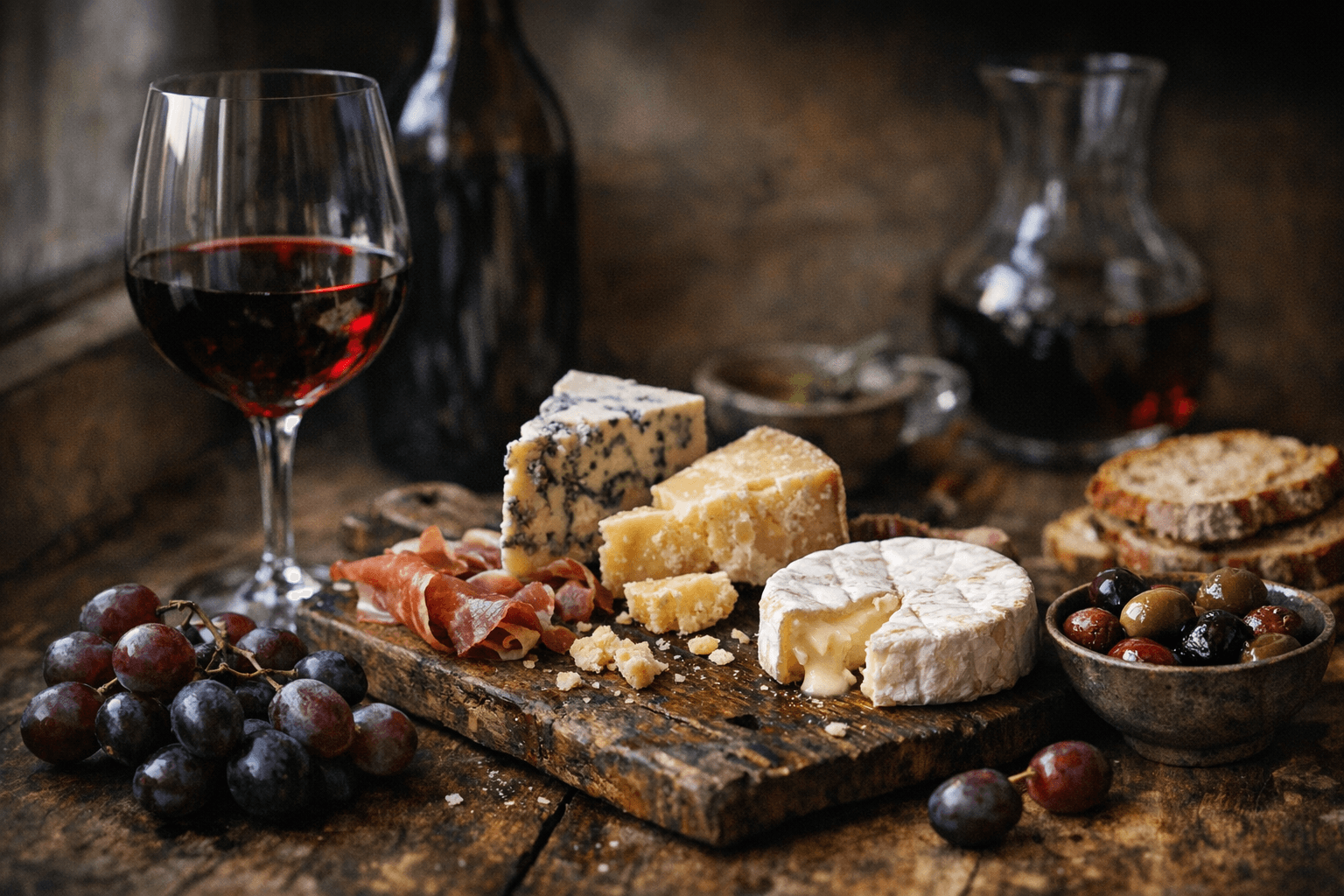
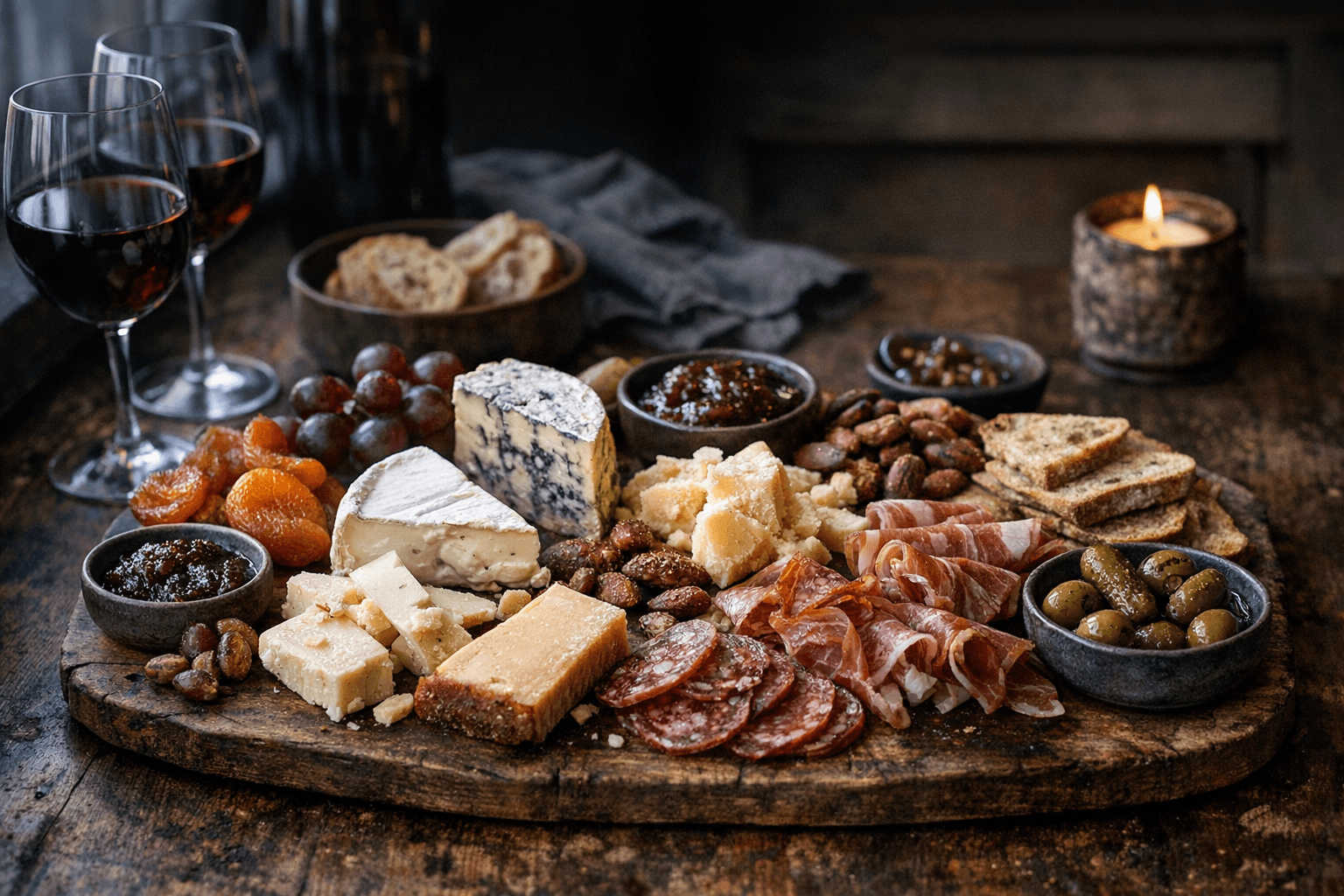
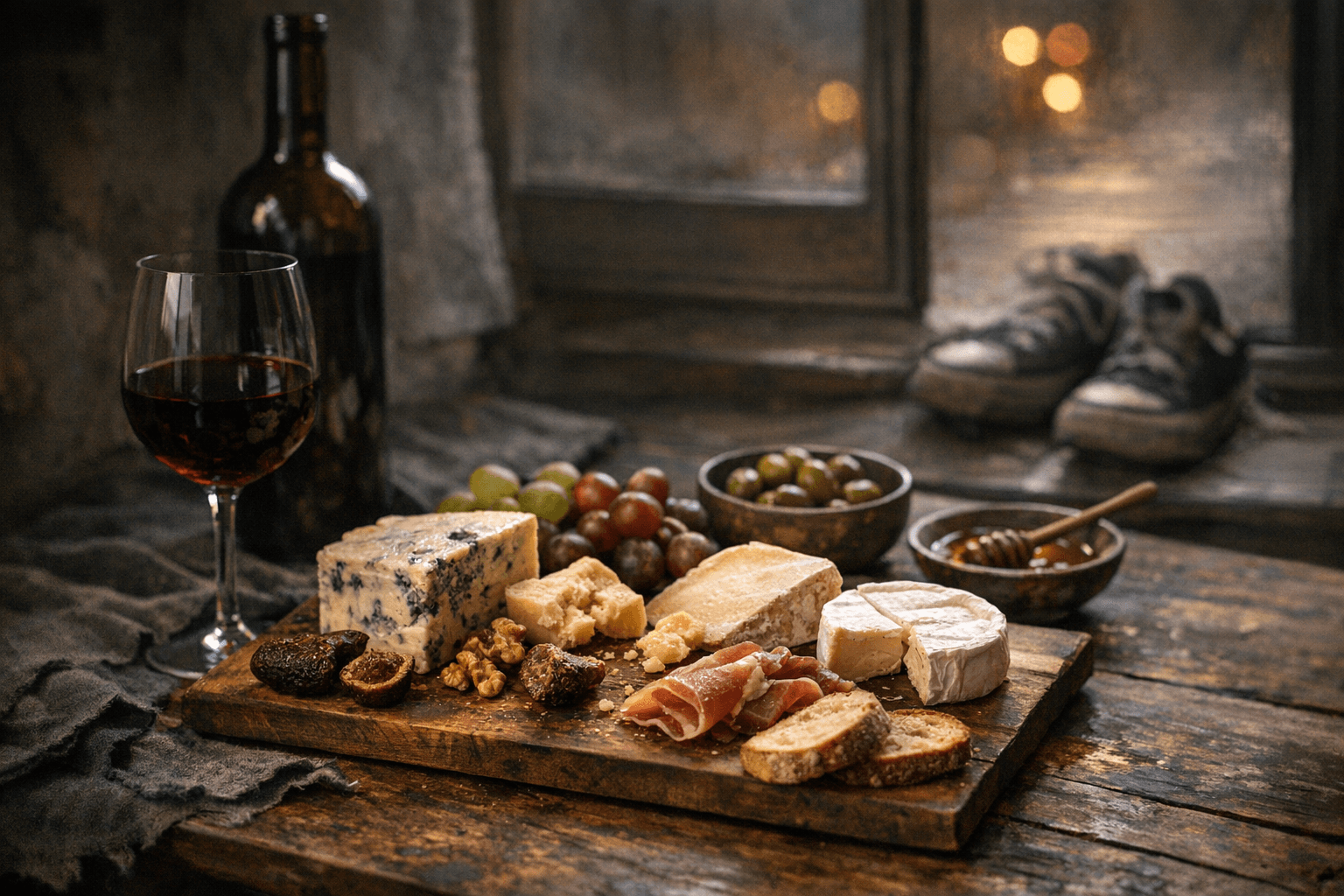
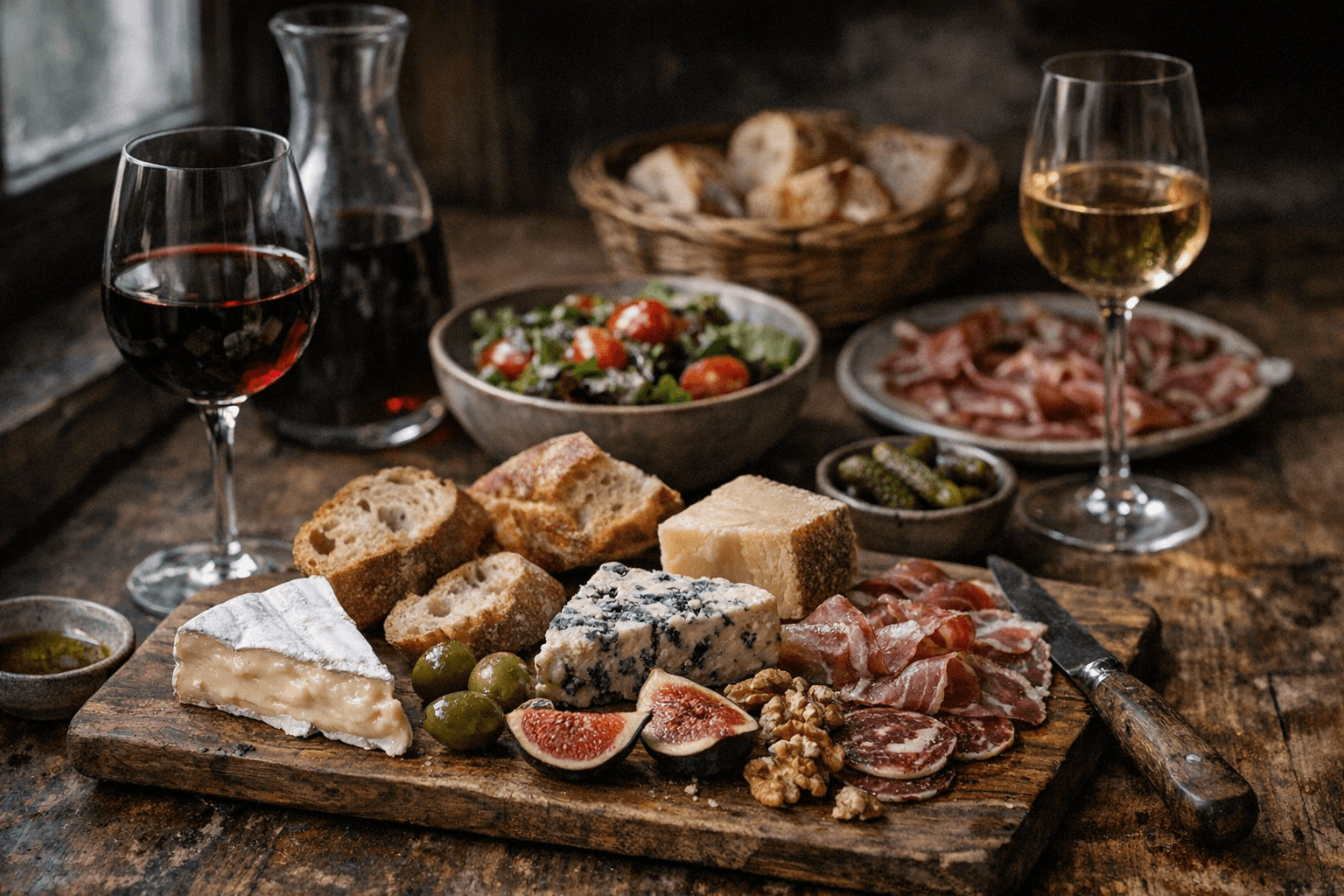
Pairing a Burgundy with the right cheese course, for the record, is not a side character in this story. Per the UNESCO designation, the attention to food and wine pairing is constitutive of the French meal tradition — not decorative. The wine is not a reward for eating correctly. It is part of what eating correctly means.
The French are not, to be fair, universally immune to the slow encroachment of fast food culture, and the traditional meal pattern is under pressure in France as elsewhere. But the data still shows that the structure holds more than it has collapsed. Two hours and twenty-two minutes per day, seated, in company, without a macro in sight. The $72 billion wellness industry has spent decades building an elaborate alternative to this. France has largely declined to buy it. The field study continues. The results, so far, favor the three-course lunch.
* This article contains opinions, satire, and possibly correct information about wine and cheese. It is not medical advice.