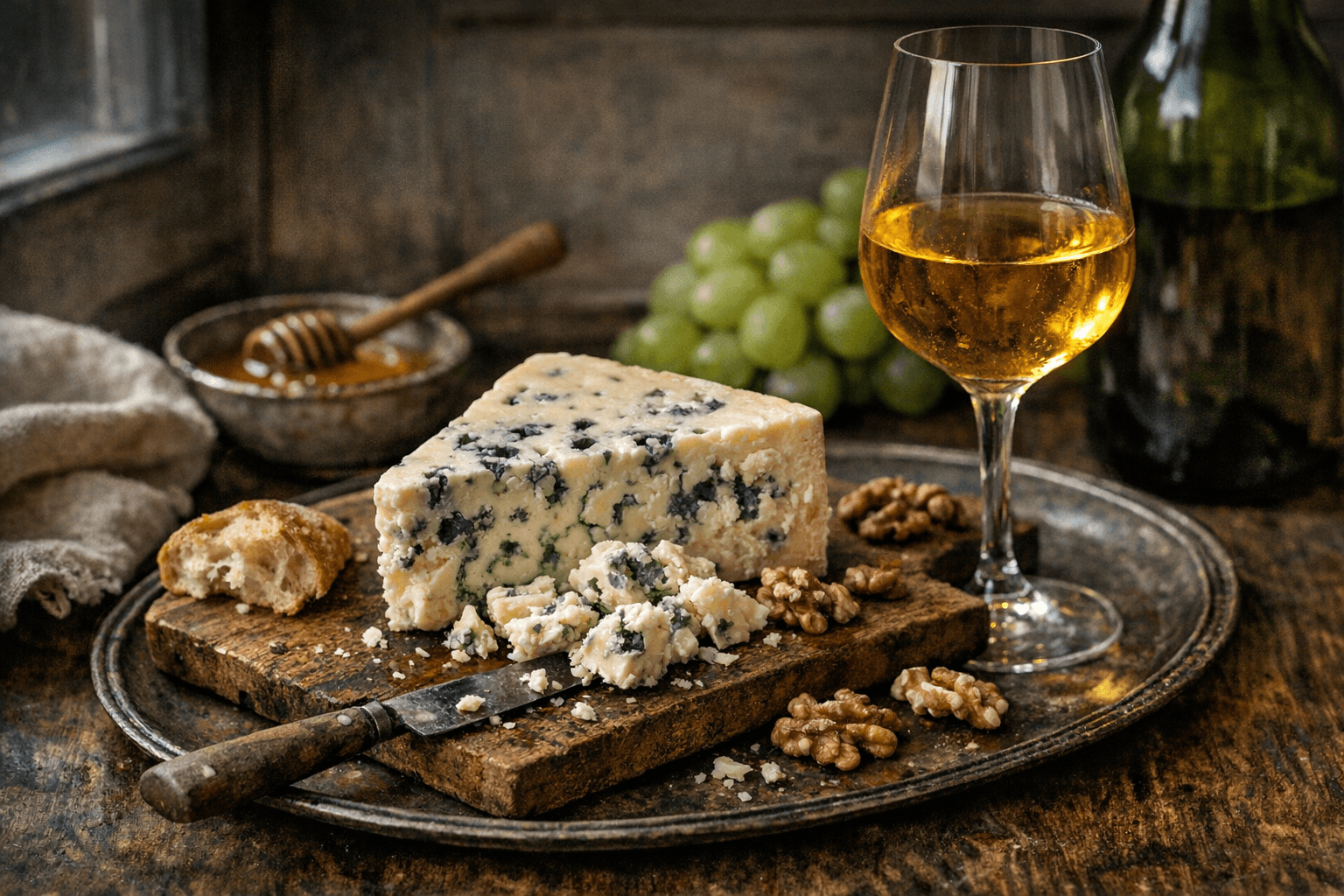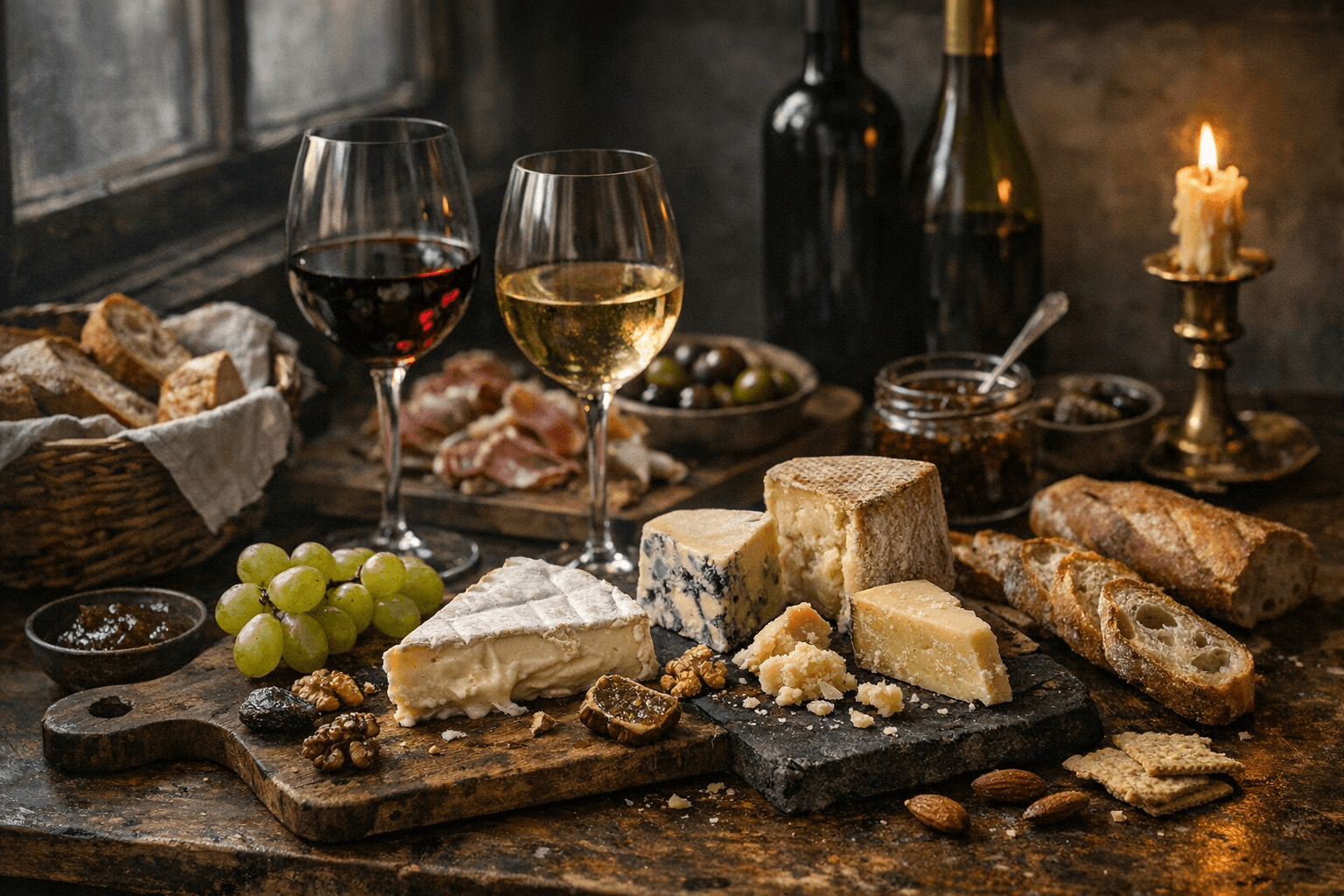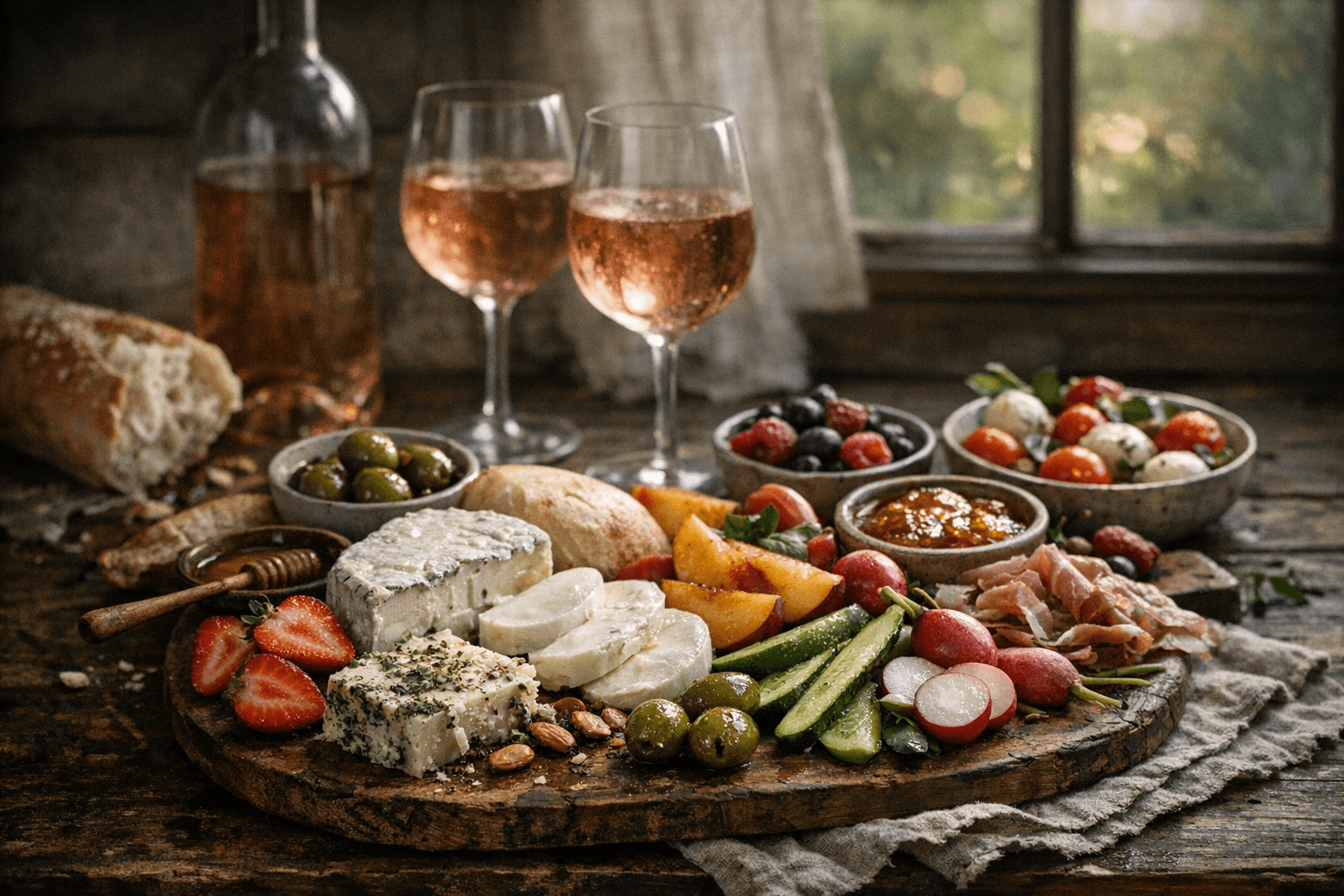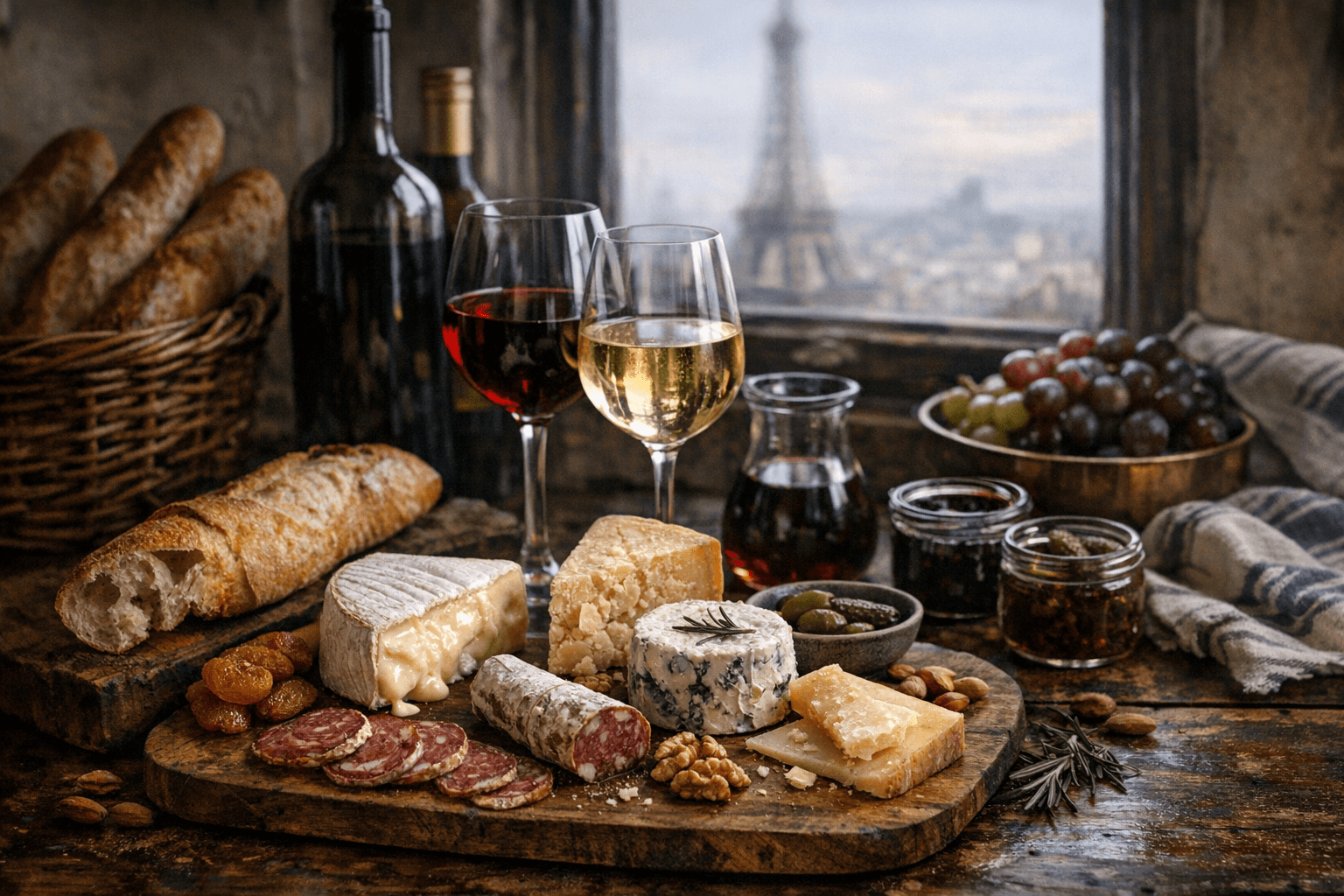
France did not invent the ritual. It just had better marketing. A clinically unverified field assessment of American cheese shops, wine bars, and farmers markets suggests the protocol is fully executable without a layover.
Somewhere between your third glass of Willamette Valley Pinot Noir and a wedge of bark-wrapped Vermont soft cheese, it will occur to you that nobody here has checked your boarding pass. This is not an accident. The argument that serious food culture requires a transatlantic flight is one the airline industry would very much like you to believe, and it has been broadly accepted without sufficient peer review. The Wine and Cheese Diet Protocol — ℞: one local bottle, three cheeses of escalating intensity, a market pastry, and at least one unnecessary opinion about acidity — is now fully executable on domestic soil. The passport is optional. The cheese knife is not.
The Compliance Checklist for Domestic Appellation Status
The Protocol does not require France. It requires ritual. Tasting order matters. Serving temperature matters. The progression from fresh chèvre to aged alpine to something washed in beer that clears the room — this is the curriculum, and it is available in Wisconsin, Vermont, California, Oregon, and any Hudson Valley Saturday with reasonable parking.
A clinically unverified domestic compliance assessment finds the following elements present and accounted for: wine bars with rotating selections and staff who have opinions about skin contact; cheese counters where the monger will explain the humidity preferences of a rind without being asked; farmers markets operating as seasonal discovery mechanisms rather than mere retail venues. A 2023 systematic review of farmers-market consumer research found recurring associations with social interaction, local-food values, and community connection — which is a peer-reviewed way of saying that people go to the market for roughly the same reasons they go to a French marché, including the part where they argue about bread.
American Terroir, Borrowed Vocabulary, Entirely Local Opinions
The U.S. produced approximately 14.8 billion pounds of cheese in 2025. Wisconsin alone accounted for roughly 3.6 billion of those pounds, which is either an industrial statistic or a deeply reassuring one depending on your perspective. The important distinction is between scale and seriousness, and Wisconsin contains both. Producers working in washed-rind, alpine, and aged styles exist alongside the commodity block, and the existence of a supermarket cheddar does not disqualify the carefully cellared wheel aging in a converted barn two counties over.
Vermont offers the farmstead version of the protocol: small milk sources, seasonal production, aging rooms with specific humidity convictions. Jasper Hill Farm's Winnimere — bark-wrapped, soft-ripened, borrowing from Jura technique while being definitively from Greensboro, Vermont — is the clearest illustration available that American makers can work in a European grammar while writing entirely their own sentences. The cheese has a rind, a pedigree, and possibly stronger opinions about humidity than the diner. California adds scale and Mediterranean range: coastal Pinot Noir and Chardonnay alongside local goat cheese, almonds, citrus, and sourdough constitute a regional itinerary without requiring a single connection through Charles de Gaulle. Oregon's Willamette Valley supplies the compact wine-country experience — tasting rooms, farm shops, producer anecdotes delivered without a cover charge — that Europeans spend considerable effort and airfare attempting to replicate.
What the Wine Bar Is Actually Being Asked to Do
The wine bar field test is simple. The essential components are: knowledgeable staff, rotating selections, appropriate glassware, proper storage, portions that permit a second opinion, and something to eat that was not fabricated in a commissary. A bar meeting these criteria is performing a specific cultural function. It is providing the conditions under which a person can slow down, taste something with attention, and form a view. This is the French contribution the wellness industry has been unable to monetize into a supplement — not a specific grape variety or a particular region, but the deliberate act of sitting with a glass and caring about what is in it.
The $72 billion wellness industry would prefer you purchase a detox protocol, a 28-day reset, or a subscription box of items described as "functional." The Wine and Cheese Diet Protocol declines to participate. Its clinically unverified but field-tested recommendation is a local bottle, a wedge of something aged, a farmers market on Saturday, and the working hypothesis that geography alone has never determined seriousness. France understood the ritual. America, it turns out, took notes.
The honest version of this argument is not that America has become France, or that it should. The strongest American food experiences arrive precisely because they are not imitations — they are European techniques applied to American milk, American forage, American climate, and American producers who will tell you exactly what went into the aging room and why, often at a farmers market, often for free, with no reservation required. The Finger Lakes are not Burgundy. Vermont is not the Jura. Wisconsin is not anywhere in France, and Wisconsin would like you to know it does not consider this a deficit. Neither does The Protocol.
* This article contains opinions, satire, and possibly correct information about wine and cheese. It is not medical advice.