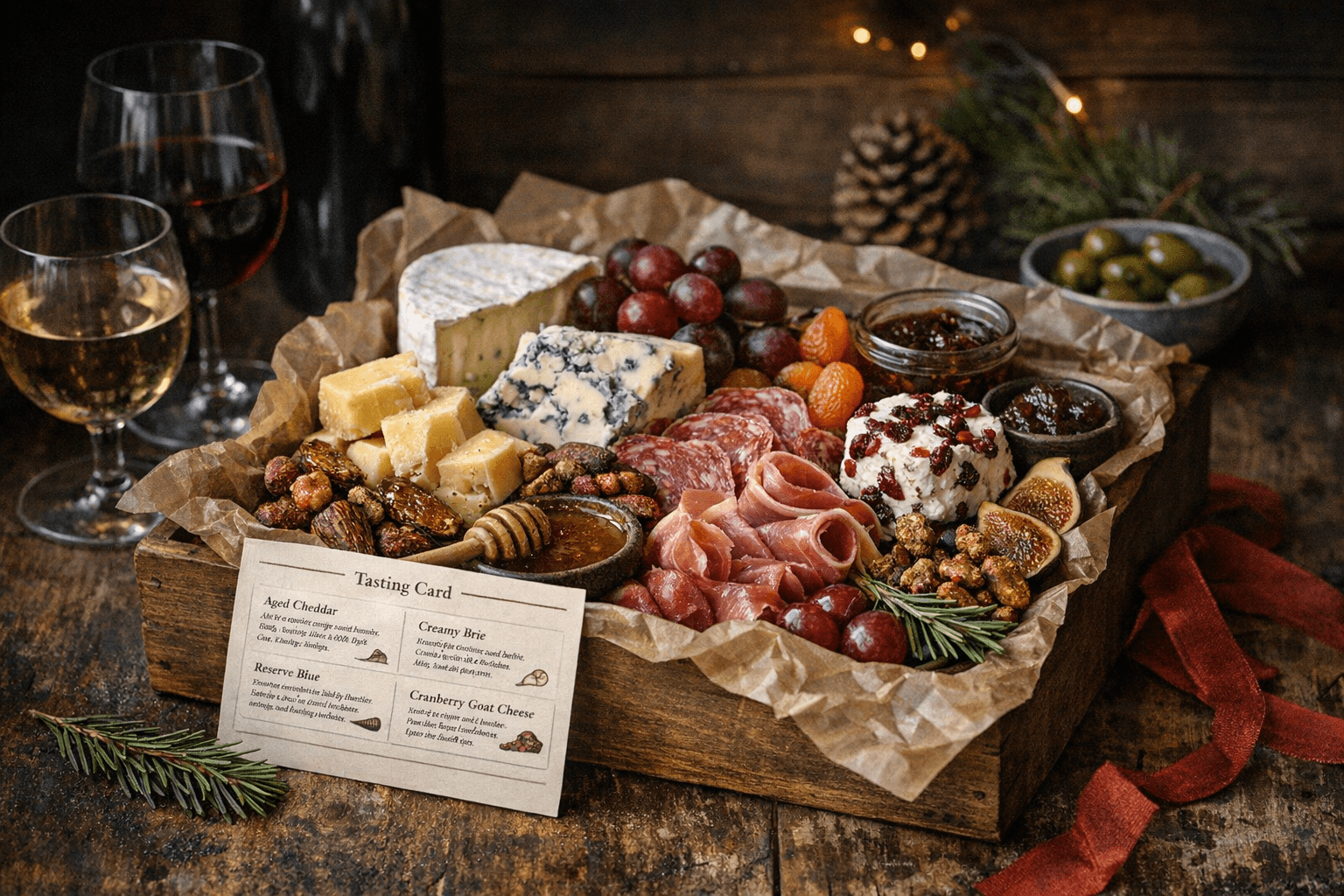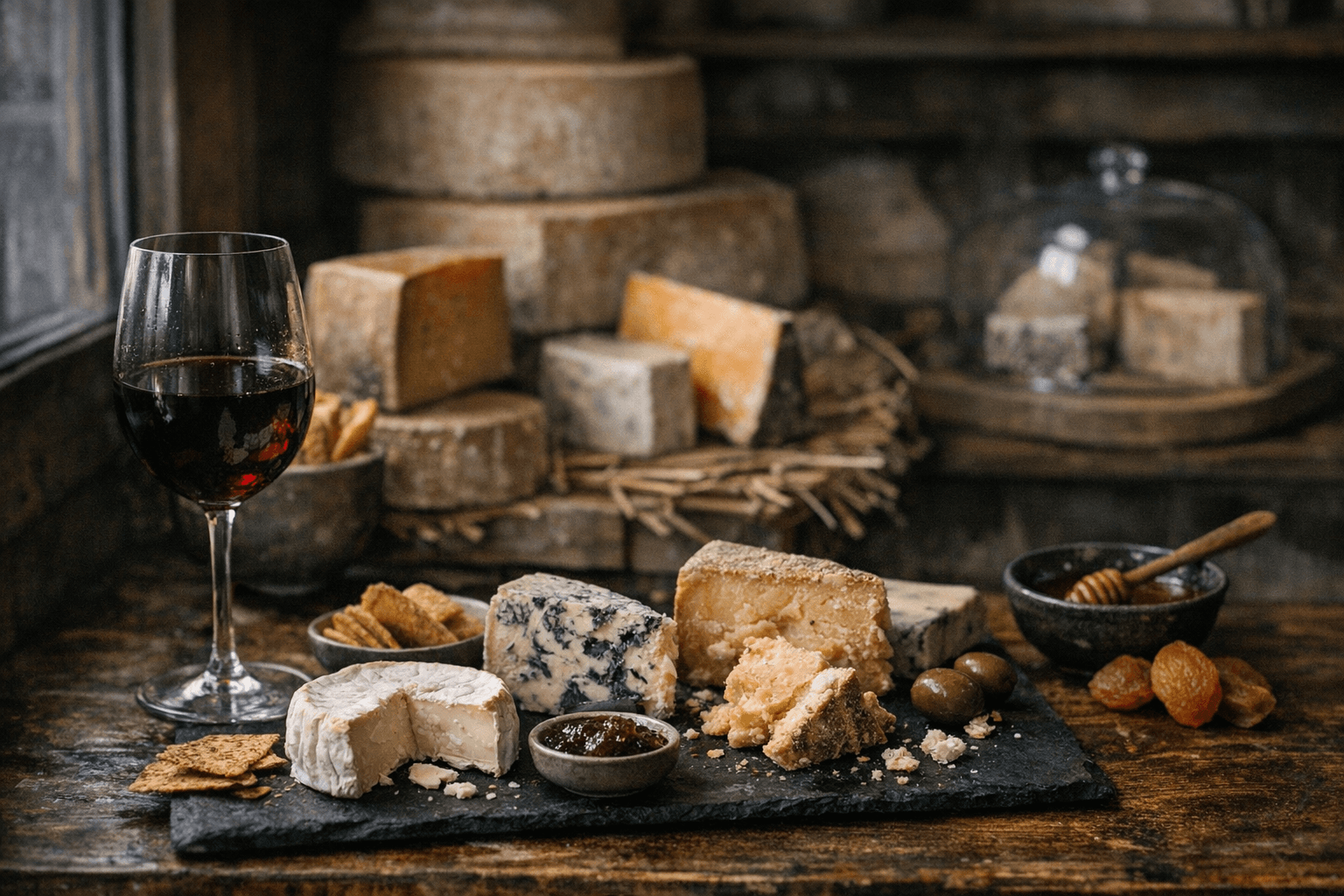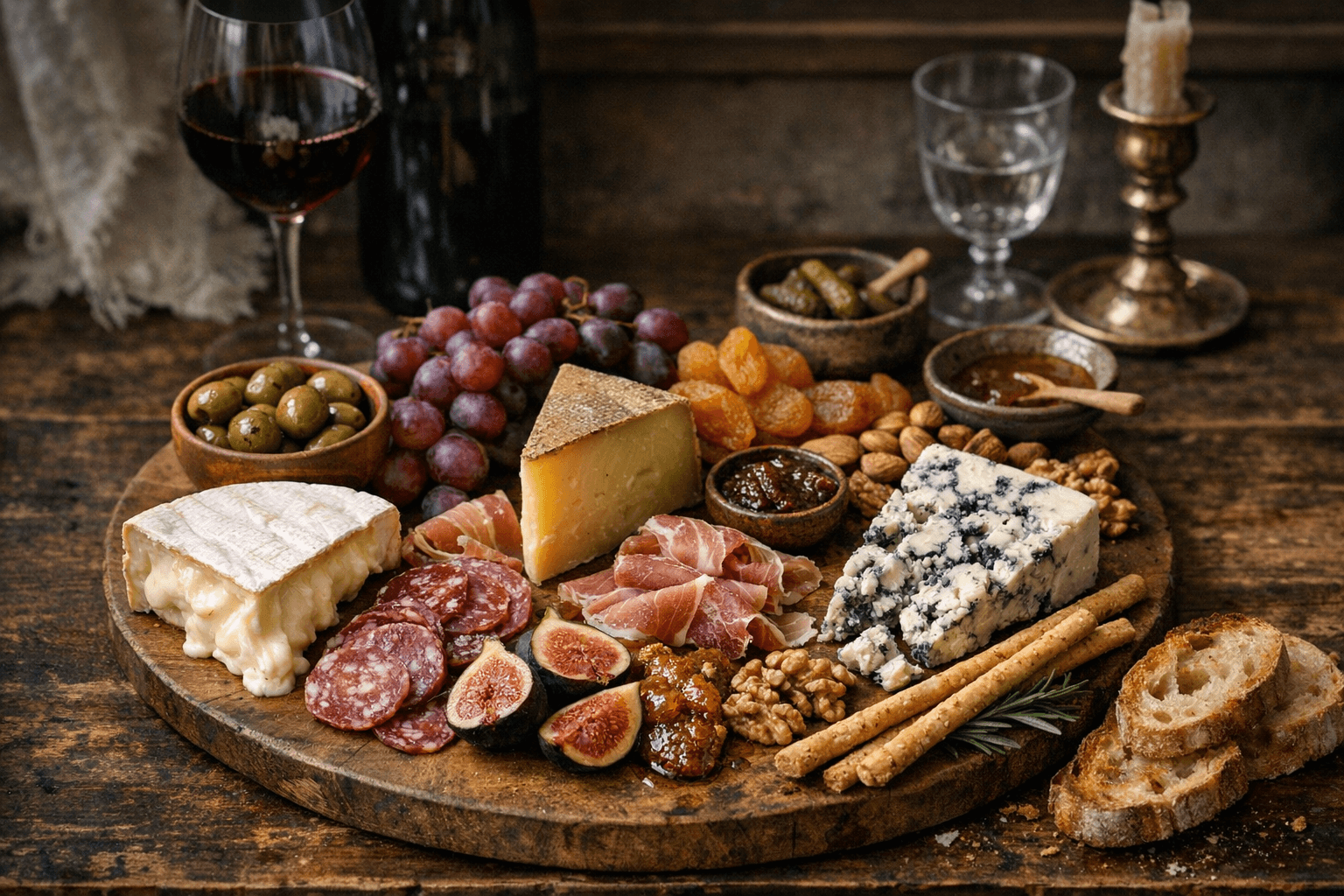
The 3-5-7 rule is not science. It is styling advice that has been passed around the food internet long enough to feel like law. Here is what it actually means and how to use it without overthinking it.
There is a rule called the 3-5-7 rule for cheese boards. It has no peer-reviewed study behind it, no controlled trial, no data set. What it has is decades of repetition across food guides, cheese shops, and French entertaining manuals until it became the kind of thing people state with quiet authority at parties. The rule says: use an odd number of cheeses, because odd numbers look intentional and even numbers look like you stopped before you finished. That is the entire scientific basis. It turns out that is enough, because the rule works, and a cheese board that looks intentional is a cheese board people trust before they have taken a single bite.
The Math: What 3, 5, and 7 Actually Mean in Practice
Three cheeses is a weeknight board. It is also the minimum for a board that reads as considered rather than accidental. Five cheeses covers most dinner parties without tipping into the territory where guests feel evaluated. Seven is for when the board is the meal, or when you are hosting a group large enough that someone will definitely ignore your careful arrangement and pile everything onto one cracker.
The practical portioning guideline used by most cheese guides is 30 to 60 grams — roughly one to two ounces — per person per cheese for an appetizer board. Cheese board quantities per person scale simply: five guests and three cheeses means roughly 150 to 300 grams of each. That is not a large quantity. The common mistake is buying too much of one cheese and not enough of the others, which turns a considered selection into a situation where one wheel is rationed and everything else runs out immediately. Buy roughly even amounts and let the variety do the work.
Placement Strategy, or Why the Board Needs Empty Space
The difference between a cheese board and a fridge raid is placement. Both can contain excellent cheese. Only one of them communicates that a person made decisions. The standard guidance across sources like CheeseDex and Fromagerie Germain's board guide is to arrange cheeses from mild to strong, moving around the board rather than in a straight line, and to keep pungent cheeses slightly separated so their aroma does not dominate the rest of the board before anyone gets there. A washed-rind like Époisses de Bourgogne, made by producers such as Berthaut in Burgundy, deserves its own corner. Not because it will contaminate the others, but because it is assertive and your guests should arrive at it on their own terms.
Texture should vary across the board. A soft bloomy rind like Brie de Meaux from the Seine-et-Marne region pairs naturally with high-acid sparkling wines — Champagne with bloomy rind cheeses being the canonical example, though the board itself does not require a wine decision to function — alongside a semi-hard option like an eighteen-month Comté from Marcel Petite's Fort Saint-Antoine caves in the Jura, and a blue like Roquefort Société from the caves of Combalou in Aveyron gives you three completely different experiences with no redundancy. The board also needs empty space. Cramming everything in does not signal abundance. It signals that someone ran out of time, which may be true, but the board does not need to confirm it.
Accompaniments That Look Intentional Without Being Fussy
The accompaniments on a cheese board are not decoration. They are there because they do something. Honey or a good fruit jam — Bonne Maman's fig preserves work, though a local quince paste is more interesting — gives the board a sweet counterpoint that makes the salt in aged cheese more pronounced. Marcona almonds add fat and texture. Cornichons cut through richness. Fresh fruit like sliced Comice pears or Concord grapes in season provides acidity without asking you to do anything except place them near the brie.
Crackers and bread are load-bearing items and should be treated as such. A plain water cracker exists so the cheese can speak. A good sourdough baguette sliced thin exists so the cheese can rest on something with flavor of its own. Put both on the board. The bread goes near the harder cheeses. The neutral cracker goes near the soft ones. Cured meats like a dry-cured Ibérico or a saucisson sec from the Ardèche are fine additions but should not crowd the cheese. They are a supporting cast, not the lead.
One more thing that is genuinely important and sounds fancier than it is: take the cheese out of the refrigerator forty-five minutes to an hour before serving. Room temperature cheese has more pronounced aroma and softer texture. This is not a health claim. It is a flavor claim, and it is correct. The Comté you paid seventeen dollars a pound for will taste like a different cheese at room temperature than it does cold. The cost of knowing this is forty-five minutes of planning.
Knowing how to build a cheese board well turns out to require exactly three decisions: how many cheeses, which textures and intensities to include, and how much space to leave between things. The 3-5-7 rule is styling advice that became conventional wisdom because it consistently produces boards that look considered. That is a reasonable thing to trust. It is also the only arithmetic involved in entertaining that does not require a calculator or a second opinion. Put the Époisses in its own corner. Everything else follows from there.
* This article contains opinions, satire, and possibly correct information about wine and cheese. It is not medical advice.