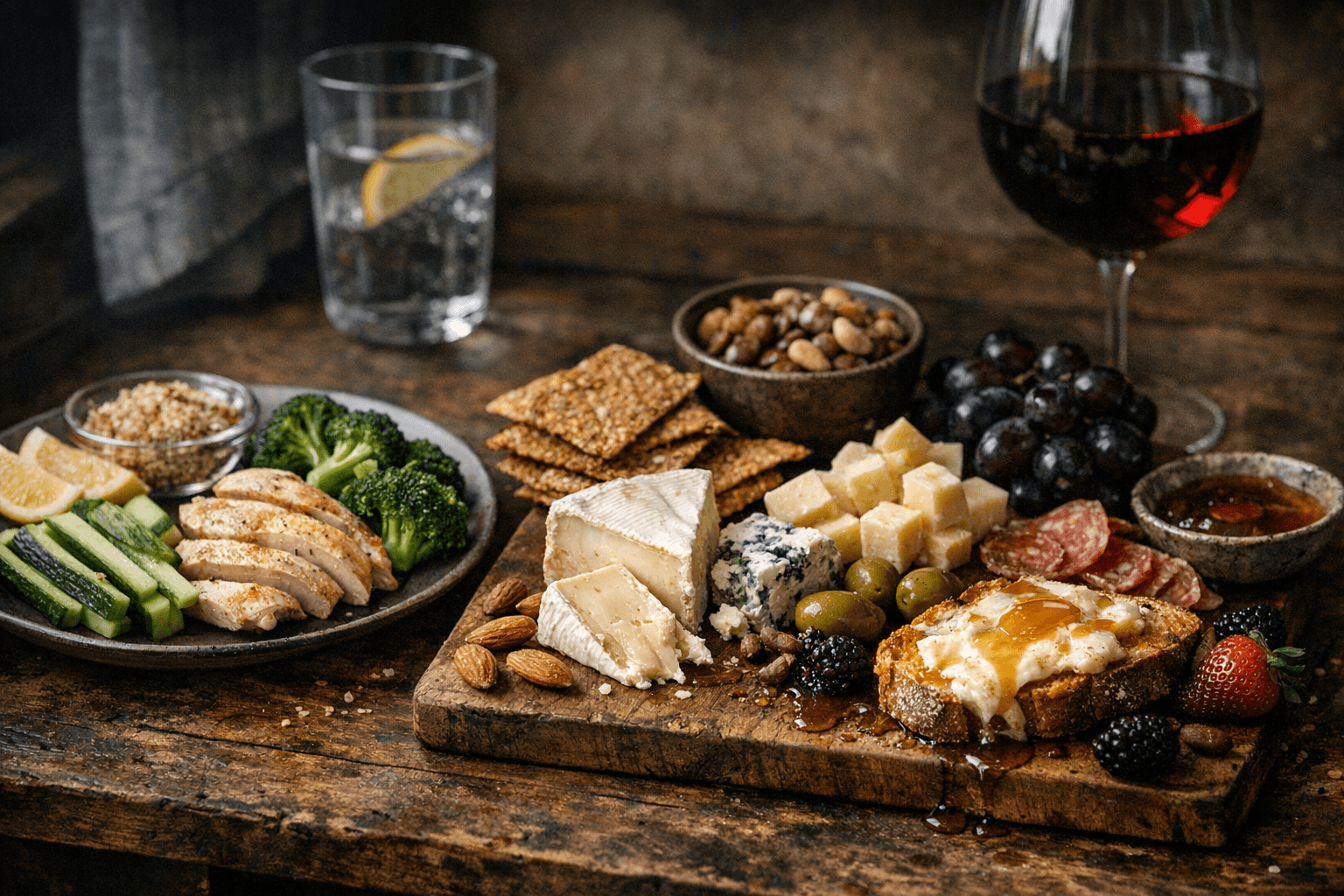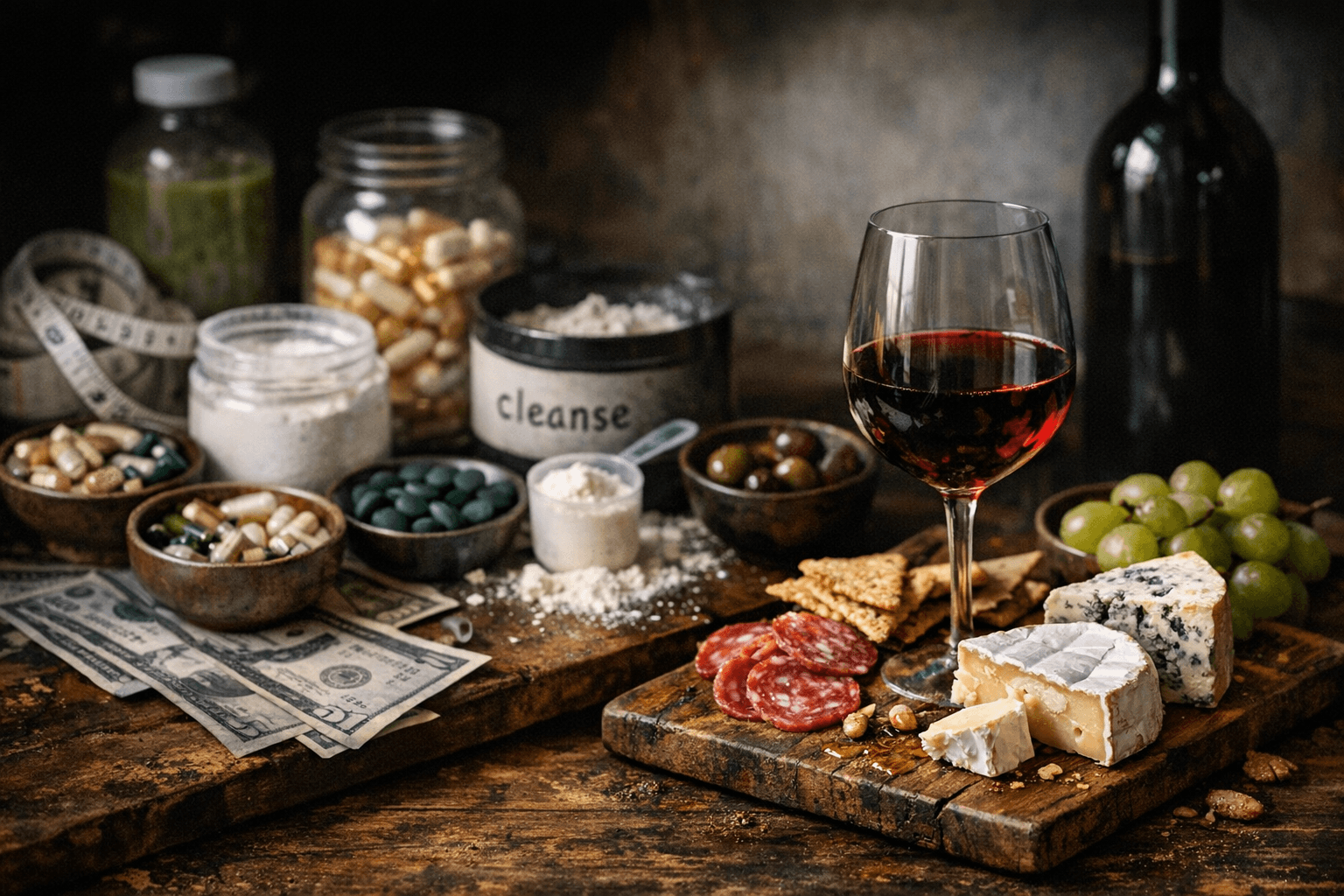
Food guilt is not a health strategy. It is a psychological reflex that research confirms makes you eat worse, not better — and Week 2 of the protocol is where we dismantle it.
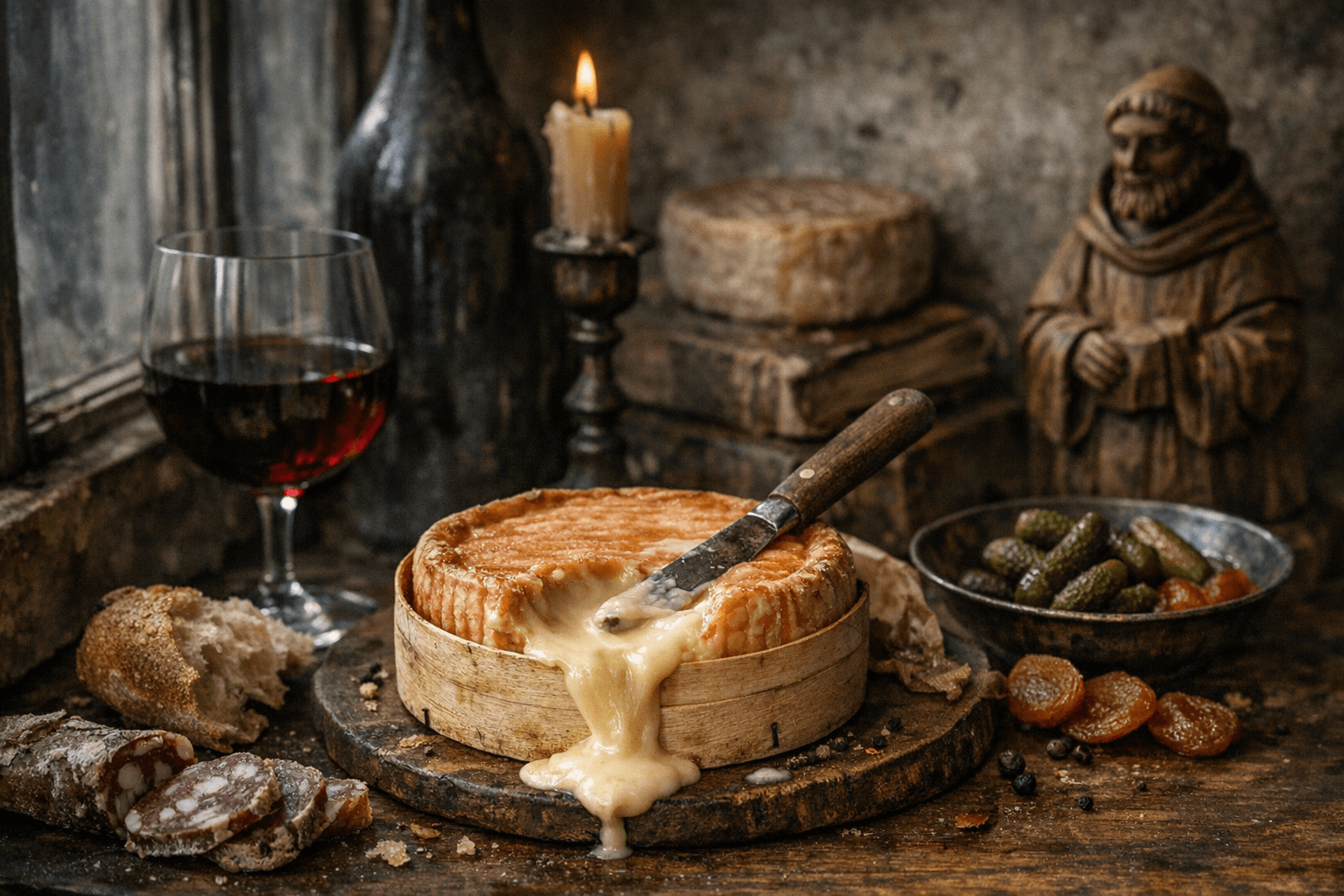
No one in Burgundy has ever looked at a plate of Époisses de Bourgogne and said 'I probably shouldn't.' That is not a cultural stereotype. That is a load-bearing fact about how enjoyment works. Meanwhile, research published in Appetite found that people who associated chocolate cake with guilt — rather than celebration — reported unhealthier eating habits and significantly lower perceived behavioral control under stress. The study, led by Vartanian, Kernan, and Wansink at the University of New South Wales, measured this across 281 participants and found that guilt, as a food-adjacent emotion, does not function the way we assume it does. It does not keep us in line. It makes things worse. This is Week 2 of the protocol, and the assignment is simple: stop apologizing for what you eat, because the science has already settled this, and the French figured it out centuries ago without reading a single study.
The Apology Reflex Is a Psychological Error, Not a Moral Compass
The urge to say 'I really shouldn't' before eating something good is not a sign of virtue. It is a conditioned reflex that psychologists have a name for: the moralized eating reflex. A 2019 study published in Frontiers in Psychology, 'Atoning Past Indulgences: Oral Consumption and Moral Compensation,' found that when participants recalled overeating, they responded with self-punishment behaviors and self-silencing — treating the act of eating as a moral transgression rather than a biological event. The researchers framed this as an attempt to restore a 'positive moral self-image,' which sounds reasonable until you realize the self-image in question was damaged by a piece of bread. We have all been inside that loop. It is not a personal failing. It is a cultural pattern that the research has now named and measured.
The guilt-as-moral-failure framework has real consequences. A 2019 study in the International Journal of Eating Disorders by Kelly, Vimalakanthan, and Carter found that weight-related shame and guilt were significantly associated with increased binge eating. Intuitive eating helped buffer the effects of shame, but it did not buffer guilt. Guilt is its own problem, and it does not respond to most of the things people try to fix it with — including eating more carefully, because people who practice high dietary restraint actually experience stronger guilt and shame responses to the same foods, not weaker ones. The stricter the framework, the louder the apology reflex gets.
What Self-Compassion Actually Does to Your Eating (Per the Research)
Adams and Leary, in a 2007 study published in Self and Identity, found that participants who were coached to use self-compassion before eating a donut consumed less afterward than the control group. Not because they were more virtuous. Because they were not compensating for shame. This is the mechanism the protocol is built around: intentional enjoyment reduces the psychological friction that drives overeating. The restriction-guilt-overeating cycle documented in peer-reviewed literature is not broken by more restriction. It is broken by removing the guilt component entirely — which means treating the act of eating a good thing as exactly that.
Piedmont understood this long before the research caught up. The Slow Food movement was founded in Bra, in the Langhe hills of Piedmont, in 1989, partly as a direct protest against the idea that eating fast and eating apologetically were signs of discipline. The same region produces Barolo from Nebbiolo grapes — a wine that requires a minimum of 38 months before release and is not interested in your timeline or your feelings about carbohydrates. Pairing it with a plate of tajarin al ragù and feeling bad about it would be, from an evidence standpoint, the less healthy choice.
The 3 PM Problem and What Candy Has to Do with Moral Self-Image
A study published in Eating Behaviors by Koball, Meers, Storfer-Isser, and Domoff surveyed 55 college women about food-related guilt and found that the majority experienced mild guilt regularly, with the strongest spikes occurring during afternoon snacks and after-dinner eating. The top guilt-triggering foods were candy and ice cream — not meals, not alcohol, not a full cheese board. Individually packaged items eaten alone in the afternoon, which is perhaps the most human eating scenario imaginable and somehow the one that carries the most cultural shame.
The afternoon snack is not a moral failure. It is a cortisol response and a blood sugar curve. Our bodies do not know that it is 3 PM or that we had plans to eat salad. They know they need something, and if we spend that moment apologizing to ourselves, we are not making a healthier choice — we are priming the restriction-guilt-overeating cycle to run again before dinner. The protocol's position on the afternoon snack is the same as Burgundy's position on wine with lunch: you eat the thing, you enjoy the thing, and the cultural habit of treating it as a confession is the absurdity worth examining — not the snack itself.
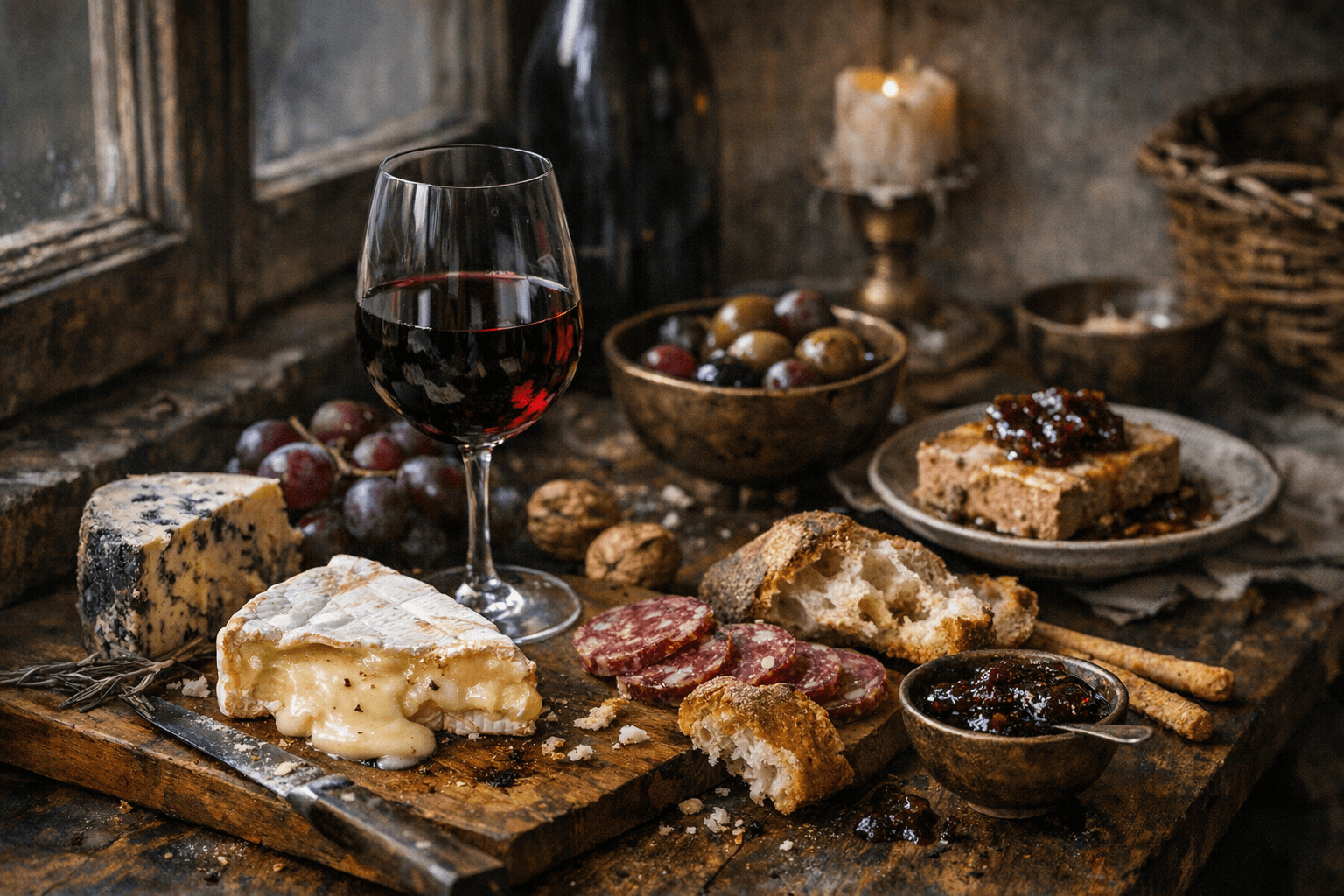
Week 2 is not about giving yourself permission to eat badly. It is about recognizing that 'eating badly' is a category that has been wildly over-applied, and that the psychological cost of maintaining it is measurable, peer-reviewed, and higher than the caloric cost of the afternoon snack. The 2019 Frontiers in Psychology study 'Atoning Past Indulgences' confirmed that treating eating as a moral transgression leads to self-punishment, not self-regulation. Vartanian et al. confirmed that guilt predicts lower behavioral control, not higher. Adams and Leary confirmed that self-compassion, not restriction, is what actually interrupts the cycle. The research is in agreement. The only thing left to do is open something good — a 2019 Gevrey-Chambertin from Domaine Rossignol-Trapet, made from Pinot Noir grapes grown in the Côte de Nuits, which has never once asked anyone to justify themselves — pour it without commentary, and have the cheese.
* This article contains opinions, satire, and possibly correct information about wine and cheese. It is not medical advice.