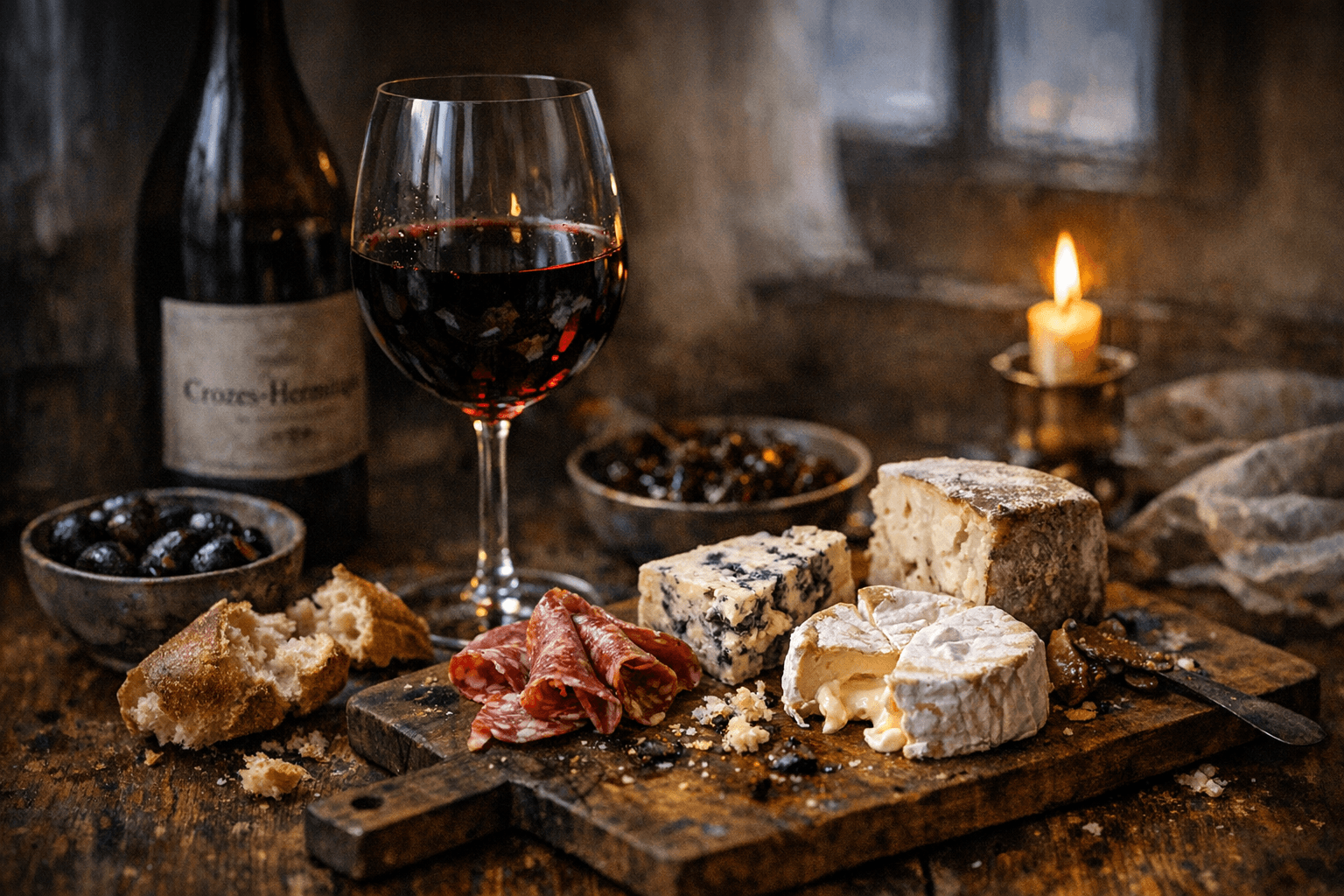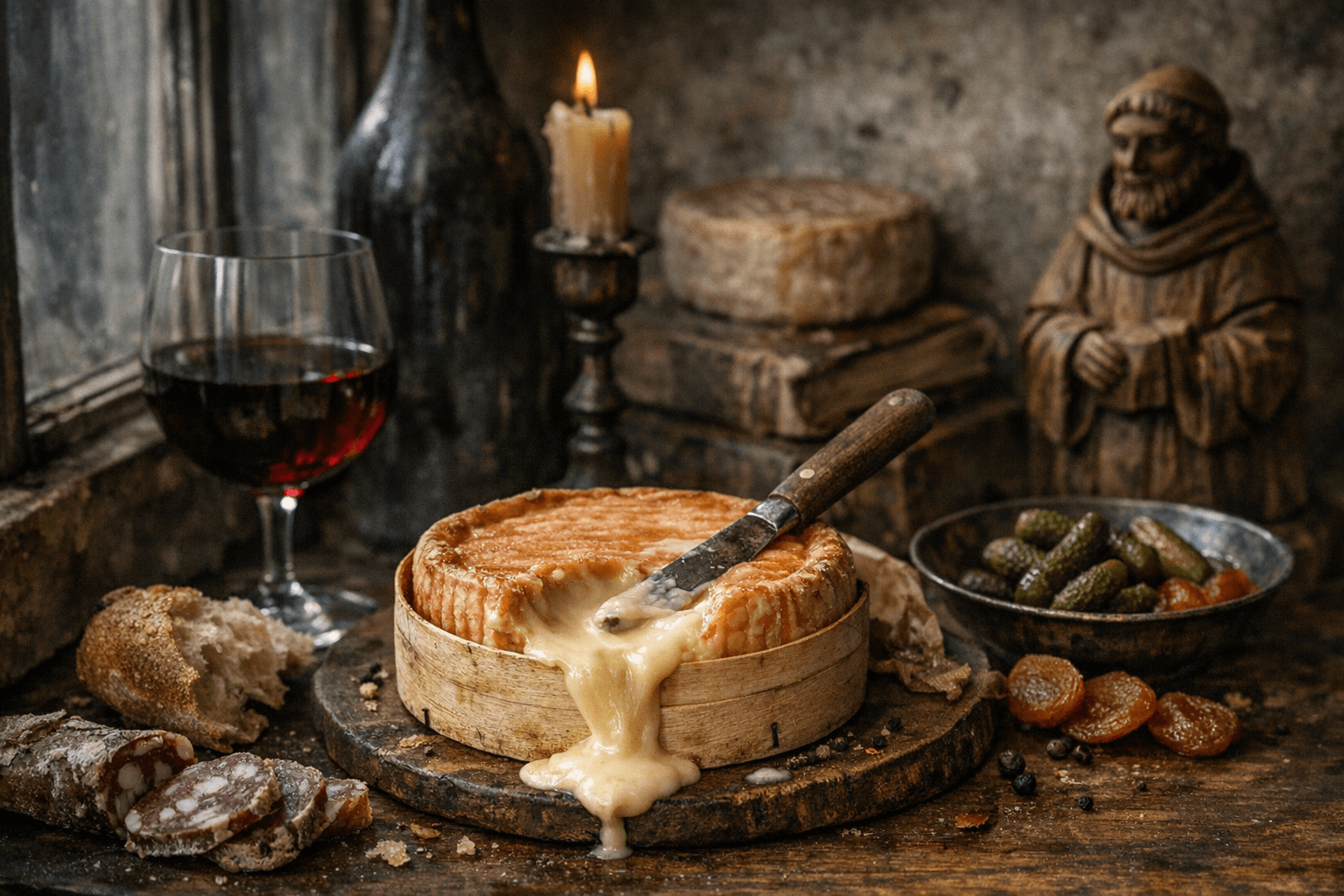
The legendary Burgundian cheese supposedly banned from Parisian public transit. Spoiler: it wasn't.
Époisses de Bourgogne has built quite the reputation. This soft, washed-rind cheese from Burgundy supposedly smells so powerfully that it was banned from the Paris Metro. The story has circulated for decades, appearing in cheese books, food blogs, and dinner party conversations. There's just one small problem with this famous tale: it never actually happened.
The Legend That Launched a Thousand Cheese Boards
The myth follows a familiar pattern. Époisses, washed weekly in marc de Bourgogne (local pomace brandy) during its aging process, develops an intensely aromatic orange rind. According to the story, this aroma became so notorious that Parisian transit authorities specifically banned the cheese from subway cars. The tale has all the elements of great food folklore: French bureaucracy, pungent cheese, and the kind of regulatory overreach that makes for excellent conversation.
Except no such regulation exists. A thorough search of RATP (Régie Autonome des Transports Parisiens) archives and French transit law reveals no mention of Époisses, specific cheese restrictions, or aromatic food prohibitions on the Metro. The closest thing to a food-related transport regulation involves restrictions on consuming certain items during rush hours, and even these focus on mess rather than smell.
Why the Nose Knows (And Chemistry Explains)
Époisses does produce a genuinely powerful aroma, and the science behind it is well documented. During the washing process with brine and marc, surface bacteria and yeasts create complex volatile compounds including methanethiol, dimethyl disulfide, and dimethyl trisulfide. These sulfur-containing molecules are the same ones that give us 'barnyard,' 'mushroom,' and 'earthy' descriptors in wine tasting notes.
Research published in the Journal of Agricultural and Food Chemistry shows that washed-rind cheeses contain among the highest concentrations of these aromatic compounds in the dairy world. The orange rind isn't just for show—it's a thriving ecosystem of Brevibacterium linens and other microorganisms working overtime to create what cheese aficionados politely call 'complex aromatics' and everyone else calls 'that smell.'
The Burgundy Connection That Actually Matters
While Époisses never faced transit discrimination, its partnership with Burgundian wines is thoroughly documented and genuinely useful. The cheese's rich, creamy interior and funky exterior find their perfect match in the region's Chardonnay-based whites, particularly those from Chablis or Meursault. The wine's acidity cuts through the cheese's fat content while its mineral backbone stands up to the aromatic intensity.
This pairing makes sense beyond romance—it's practical chemistry. Washed-rind cheeses need wines with enough structure to handle their bold flavors without being overwhelmed. A 2019 study in Food Quality and Preference found that consumers consistently rated high-acid white wines as optimal partners for pungent cheeses, validating what Burgundian producers have known for centuries.
What Époisses Actually Deserves Recognition For
Époisses earned its protected AOP status in 1991 not for legendary transit violations, but for genuine agricultural heritage. The cheese has been produced in the Burgundy region since at least the early 16th century, with documented ties to local monastic traditions. Today, only a handful of producers maintain the traditional methods, washing each wheel by hand and aging them for exactly 28 days.
The real story of Époisses involves dedicated cheesemakers like Fromagerie Berthaut, who helped revive the cheese after it nearly disappeared in the mid-20th century. Their commitment to traditional marc washing and careful aging produces a cheese that needs no fictional transit drama to justify its reputation. Sometimes the truth about great cheese is simply that it's great cheese.
The next time someone mentions Époisses and the Paris Metro, you can gently correct the record. This Burgundian treasure never needed a fake criminal history to earn its place among France's greatest cheeses. Its real achievements—centuries of traditional production, protected status, and that unmistakable aroma that requires no urban legend to make an impression—speak quite loudly enough on their own.
* This article contains opinions, satire, and possibly correct information about wine and cheese. It is not medical advice.