Cheese has seasons. The $72 billion wellness industry forgot to tell you this, possibly because it would interfere with selling you year-round subscription boxes of the same four Goudas.
Somewhere between the invention of the 365-day supermarket and the rise of the ambient-temperature cheese subscription box, we collectively agreed to pretend that cheese has no seasons. That a wedge of Comté in July is the same as a wedge of Comté in January. That fresh chèvre in December is a reasonable idea pursued by reasonable people. This is incorrect, and the animals whose milk makes these cheeses would like a word. The Protocol is simple: cheese follows the grass, the grass follows the sun, and the sun, as it turns out, still operates on a twelve-month cycle regardless of what your wellness app recommends.
Spring and Summer: The Milk Gets Interesting
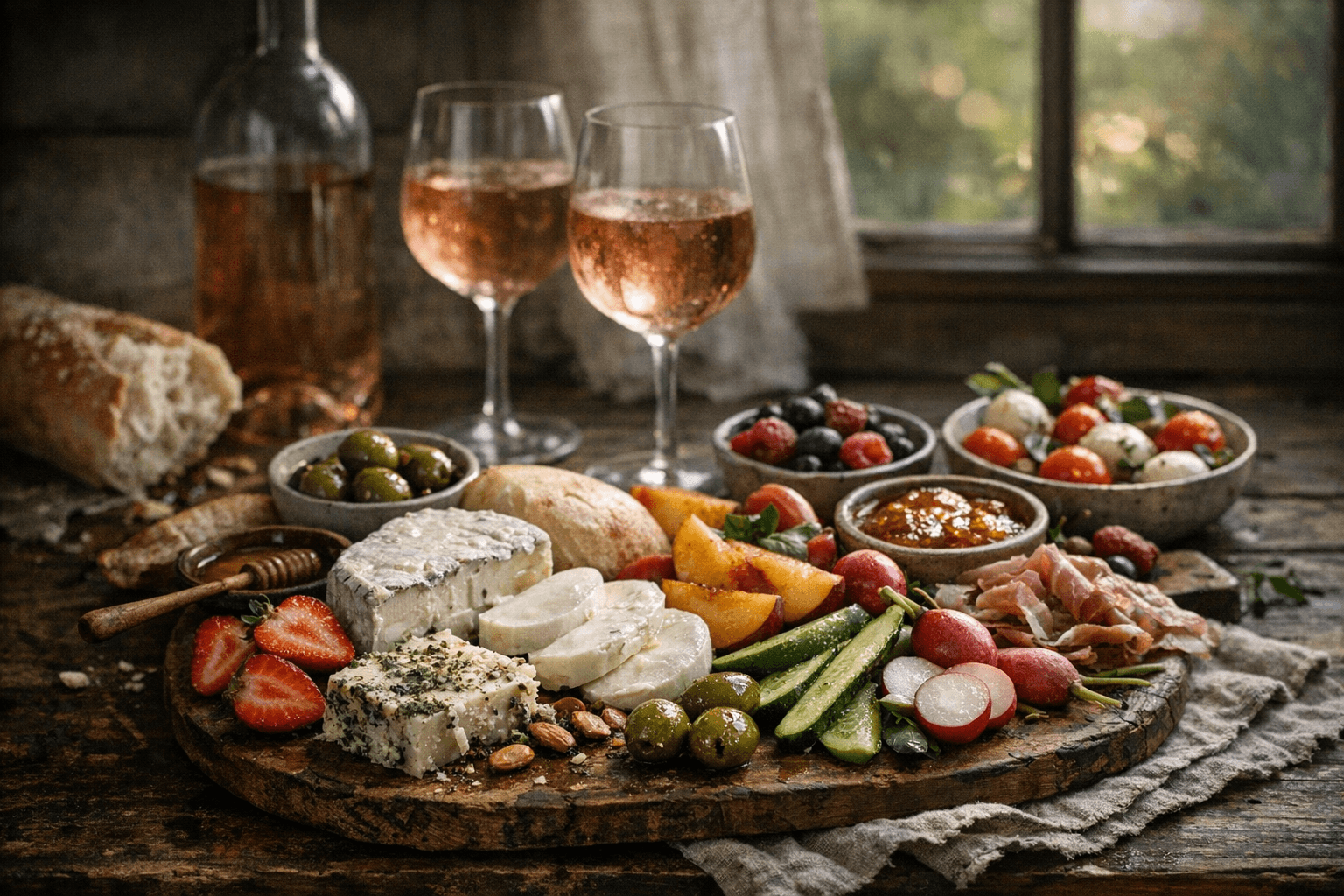
April through August is when the animals are back on fresh pasture, and fresh pasture does something to milk that hay simply cannot replicate. The aromatic compounds in spring grass — the same ones responsible for why a good Burgundy smells like a meadow and not a barn — transfer directly into milk. The result is lighter, higher-moisture, more floral dairy that is clinically unverified to improve one's mood but empirically observed to do so at every outdoor table in France.
This is the season for fresh goat cheese, full stop. A Loire Valley chèvre in May, with its bright acidity and faint herbal finish, is the product of an animal eating exactly what she should be eating at that moment. Ricotta, Feta, young Maroilles — all of these belong here. Maroilles, specifically, hits a particular peak in July that the North French treat as an unofficial civic event. Stock these cheeses cold, serve them young, and resist the temptation to age anything that does not wish to be aged. Fresh cheese is not a stepping stone. It is the destination.
Autumn and Winter: The Rind Gets Serious
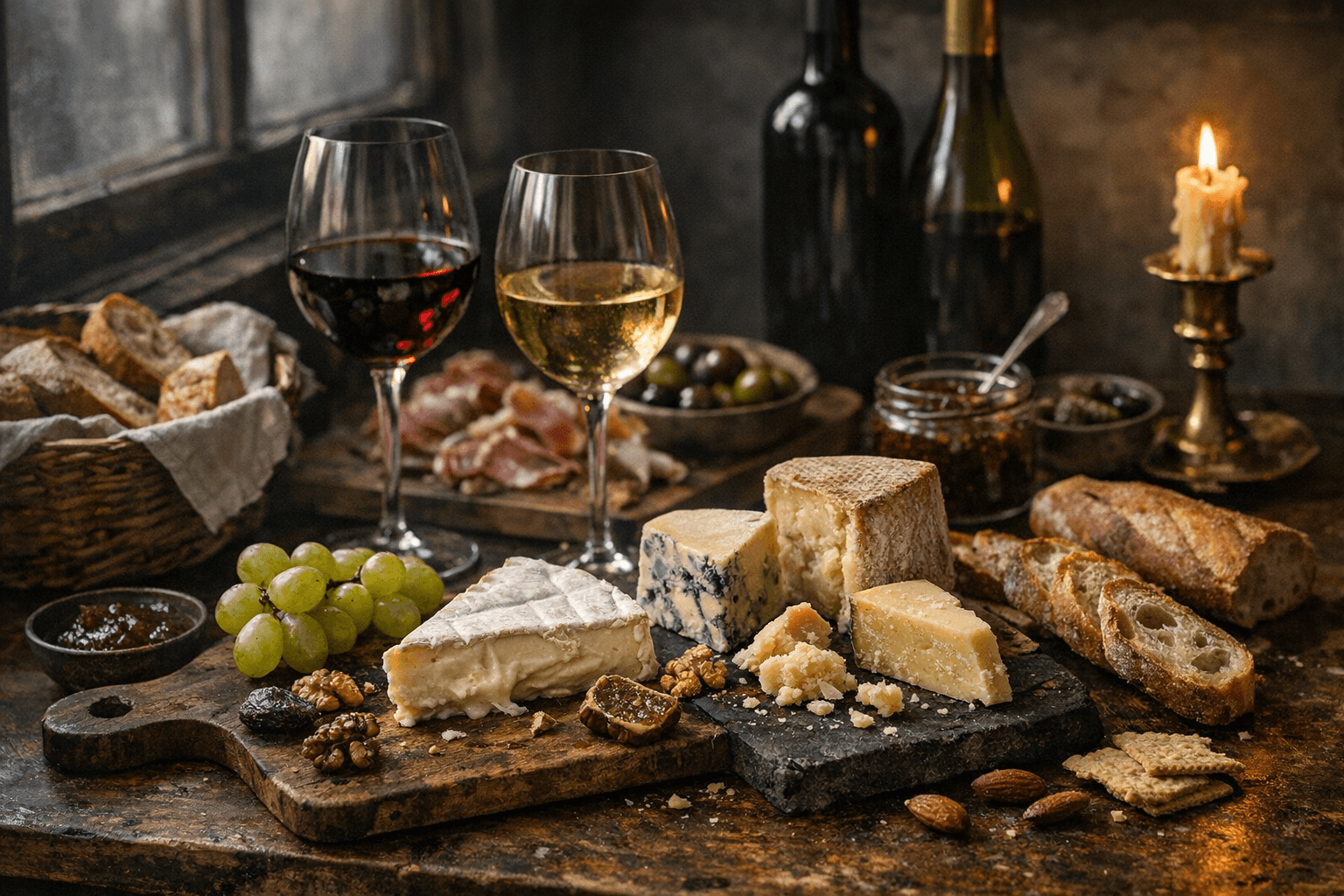
When the animals move to hay, the milk shifts. Lower moisture, higher fat density, fewer aromatic volatiles — and this is not a downgrade. It is a different assignment. The milk produced from October through January is built for aging, for pressing, for the kind of slow transformation that produces a Comté with enough nutty complexity to anchor an entire meal and a Mont d'Or so unctuous it should probably require a prescription. Raclette de Savoie, Beaufort d'Été (the summer-made wheels now at their aged peak in winter), Roquefort, Salers, Bleu des Causses — these are the winter pantry, and they are not subtle.
December deserves specific mention, because December is when Mont d'Or is available and that single fact reshapes the month's priorities. Mont d'Or is a raw cow's milk cheese from the Franco-Swiss Jura, sold in a spruce bark box, traditionally baked in that same box until it becomes something between a cheese and a fondue and a theological argument. Ossau-Iraty, the Basque sheep's milk pressed wheel, is also at its best in December, having spent the autumn in caves developing the kind of depth that makes you question why you ever ate anything else. January belongs to Raclette season, and if you need convincing on that point, the cheese will make its own case when scraped onto potatoes in a cold room.
The Transition Months: Where Most People Go Wrong
September and March are the months that expose the cheese-seasonal amateur. September is when you should be finishing the last of summer's fresh cheeses while beginning to reach for the newly available pressed wheels coming out of Savoie and Auvergne. Reblochon, the raw cow's milk washed-rind from Haute-Savoie, peaks in early autumn — the cows have come down from high-altitude summer pastures, the milk is transitioning, and the result is something warmer and more complex than anything produced in July. March is the mirror image: winter wheels are still excellent, but the first fresh chèvres of the year are arriving, and they taste like the end of something heavy.
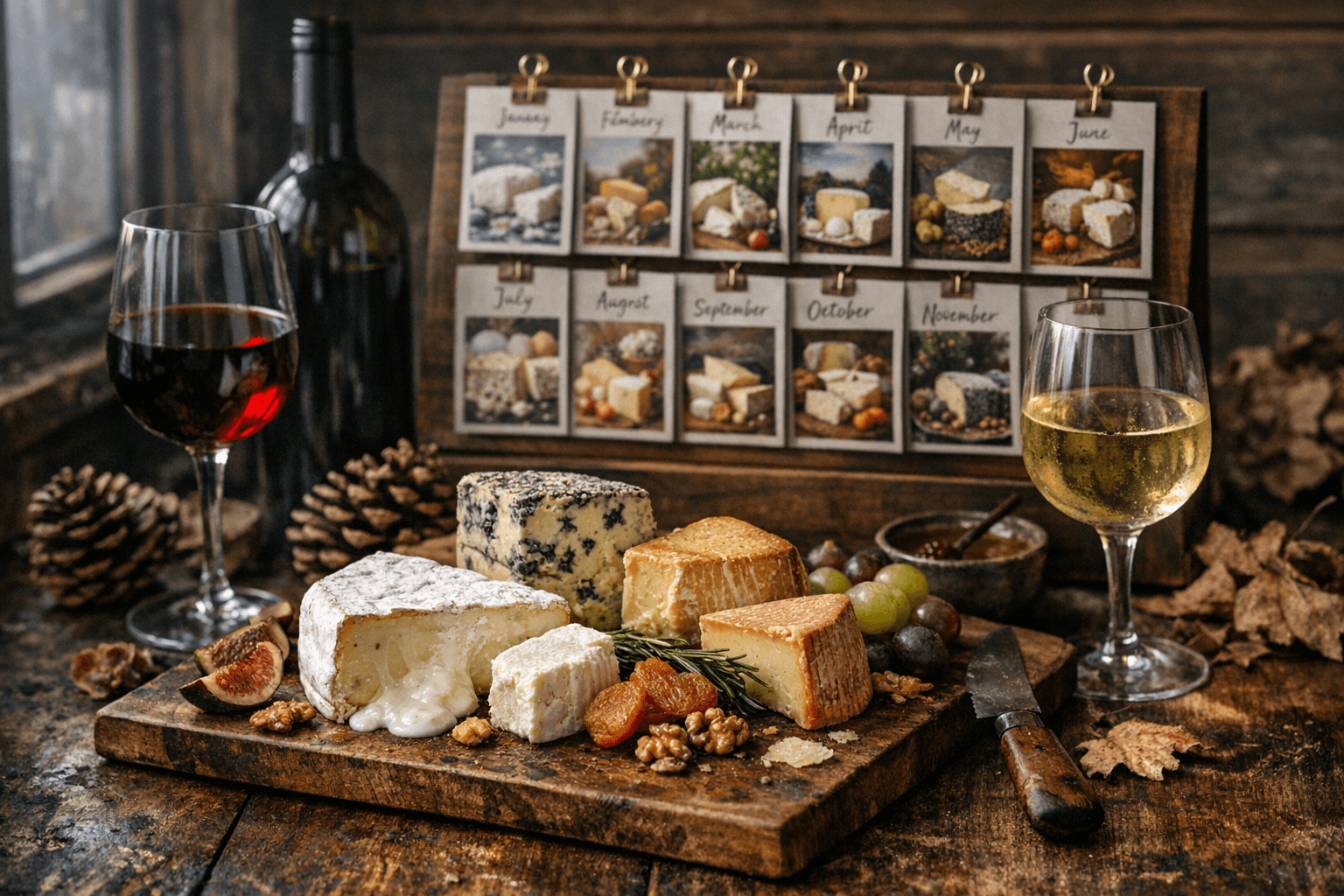
The field study finding here, conducted informally over many cheese counters, is that most consumers buy the same cheeses in September that they bought in July because those cheeses are still on the shelf and no one has told them otherwise. The cheese did not change. The animal did. That is the gap this calendar is designed to close.
The $72 billion wellness industry has spent considerable resources convincing you that optimization requires novelty — new formats, new delivery systems, new subscription tiers. The cheese calendar asks for the opposite. It asks you to pay attention to what is already happening, to the animal eating grass in April and hay in November, to the cheesemaker who has been following the same seasonal logic for generations without issuing a single press release about it. This is not a trend. It is just how milk works. Adjust your shopping accordingly, and the cheese will do the rest.
* This article contains opinions, satire, and possibly correct information about wine and cheese. It is not medical advice.