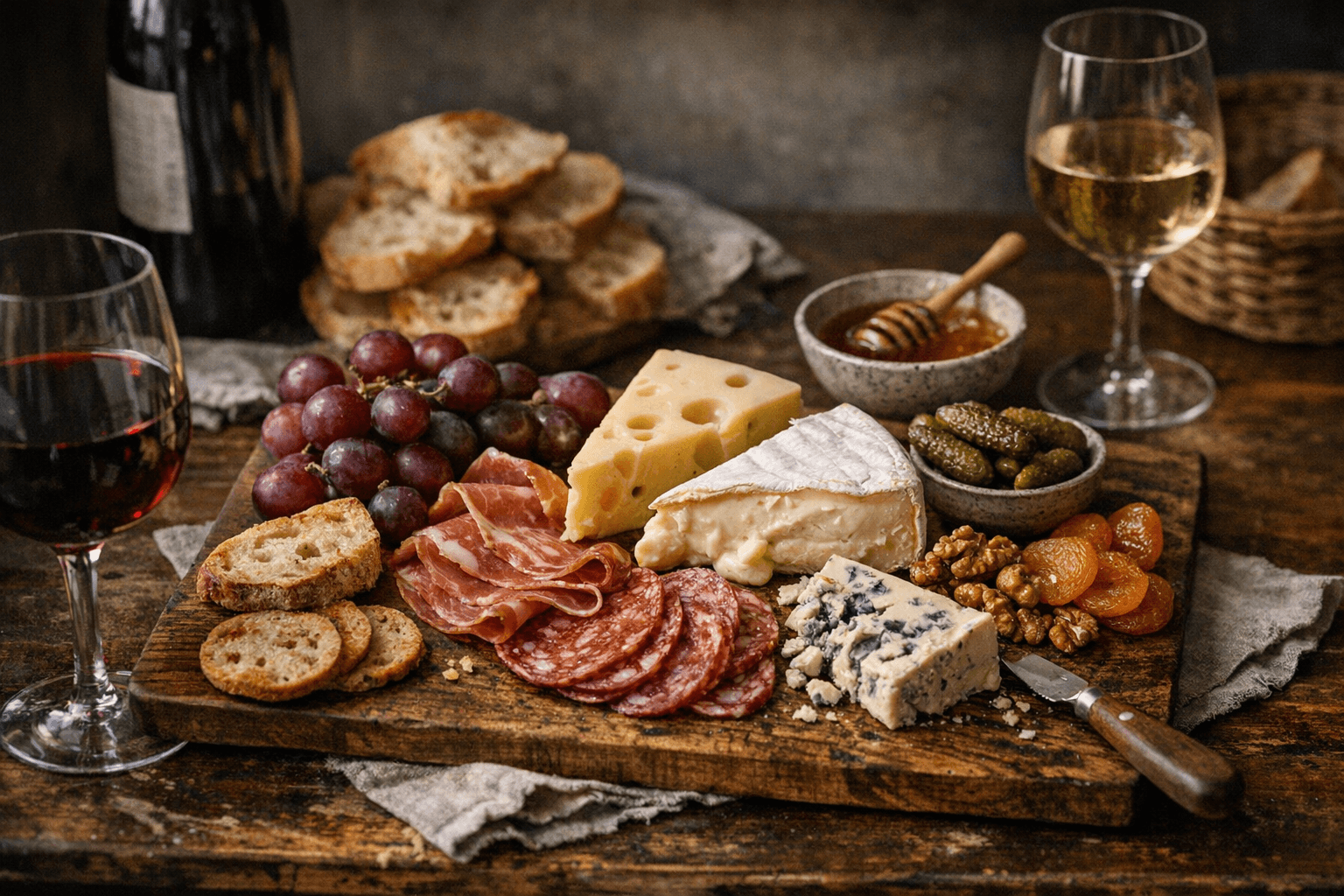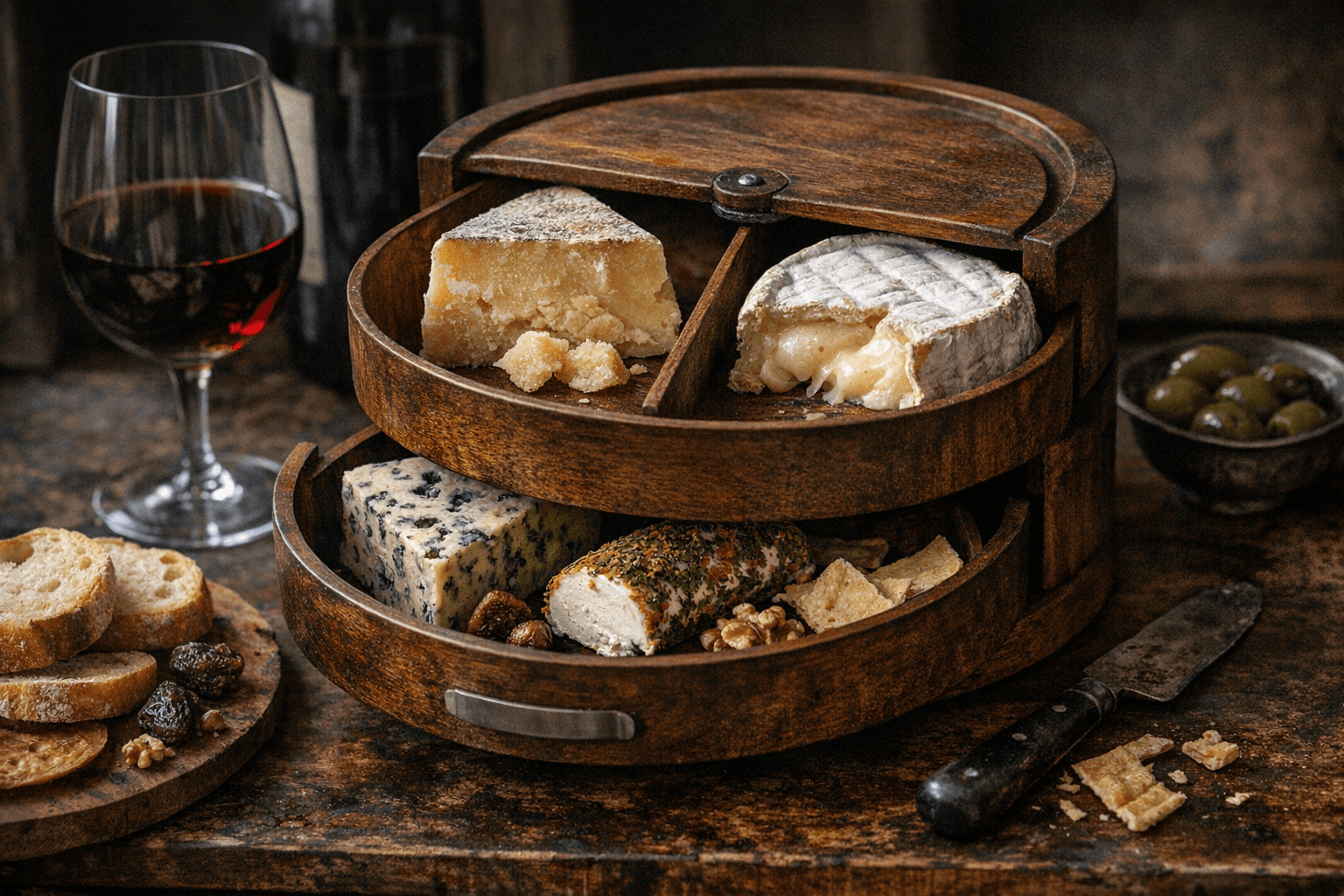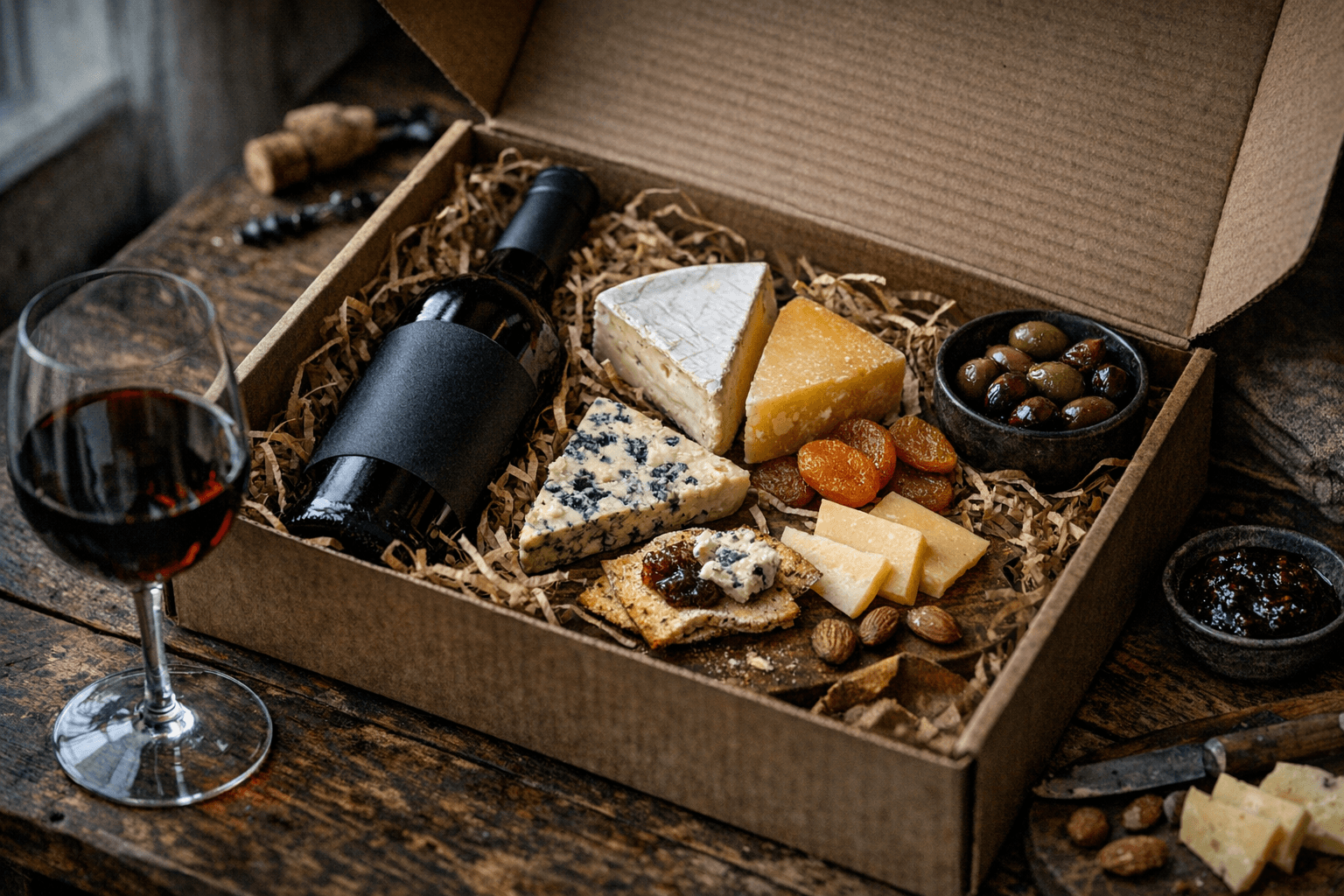
A curated cheese-and-wine selection at $25 is not just a gift — it is evidence that you paid attention. Research on gift personalization backs this up, with some reasonable caveats.
A gift card is a small laminated rectangle that says: I remembered you existed. That is not nothing. But a curated $25 cheese-and-wine selection says something more specific — it says you thought about what this particular person might enjoy sitting down with on a Tuesday evening, and then you made a decision on their behalf. That is a different gesture entirely. It turns out there is peer-reviewed support for why that difference matters, though the research involved clothing and mugs rather than Comté and Chablis, which we will get to.
What the Research Actually Says About Personalized Gifts
A 2024 study published as You Designed That Yourself for Me? Vicarious Pride in Customized Gift Exchange ran four experiments across several hundred participants — evaluating clothing, online shopping behavior, mugs, and wristwatches. The consistent finding, in every version of the experiment, was that recipients valued customized gifts more than off-the-shelf ones. The proposed mechanism was something the researchers called 'vicarious pride': the recipient gets to share, however briefly, in the satisfaction the giver took from making a specific choice. That is a real thing that happens between two people. It just had not been named before.
A 2018 article by Pizzetti and Gibbert in the Journal of Consumer Marketing added that personalized gifts carry symbolic weight beyond their practical value — they communicate something about the giver. And a 2015 paper in the Journal of Consumer Psychology, Give Me Your Self: Gifts are Liked More When They Match the Giver's Characteristics, found that the best cheese and wine gift ideas share a quality with any well-received gift: they feel like they came from someone with a point of view. The important caveat, which all three studies share, is that none of them tested wine, cheese, $25 budgets, or any of the other specifics here. The research supports the framing. It does not prove that everyone will prefer your Époisses to a Visa card.
Three Wine and Cheese Gifts Under $25
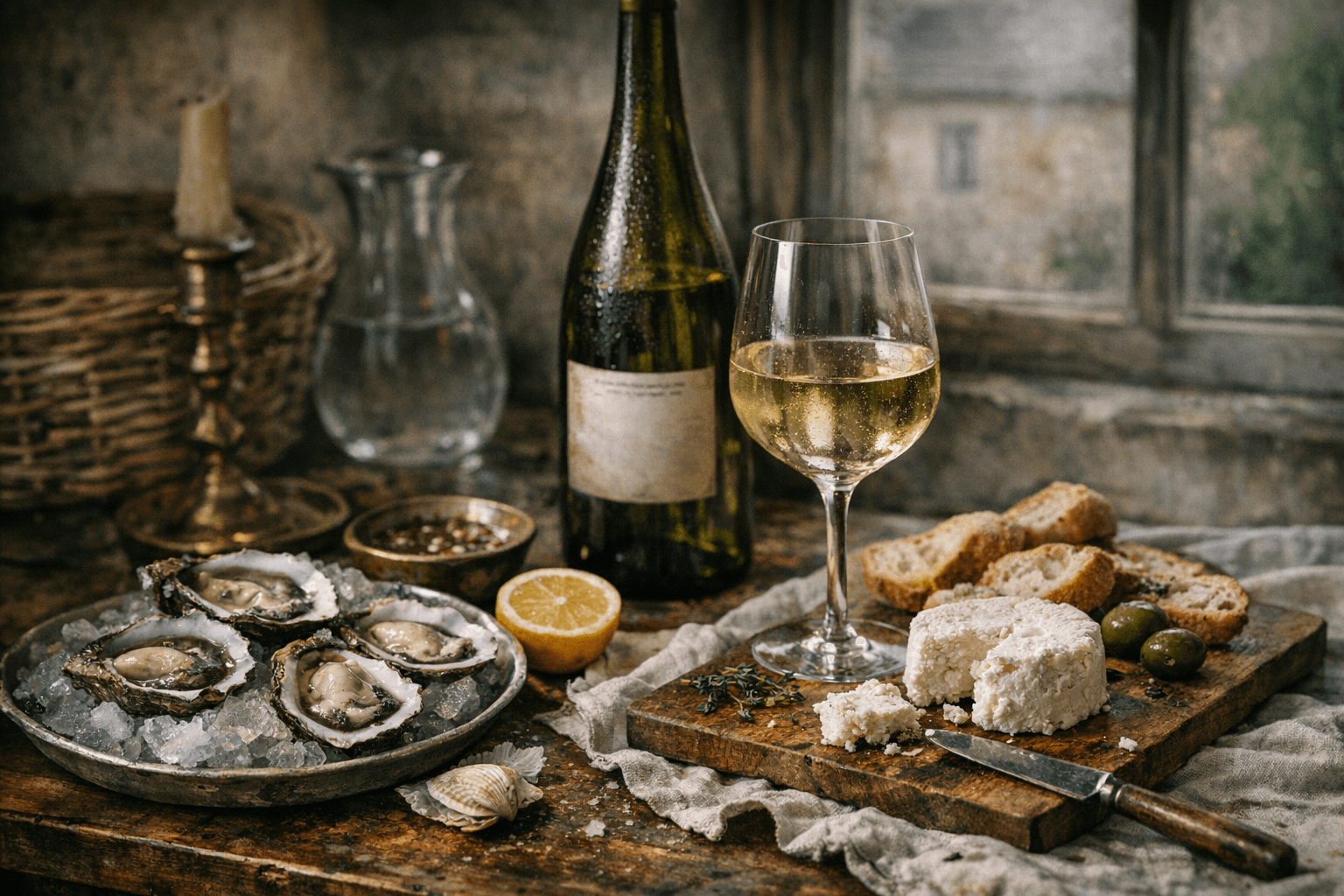
Prices below are samples and will vary by retailer, region, and vintage. Consider that caveat front-loaded and finished. First: a 375ml bottle of Domaine Weinbach Riesling 'Cuvée Théo' from Alsace (around $18–$20 for the half-bottle) alongside a 150-gram wedge of Abbaye de Cîteaux, a washed-rind cow's milk cheese made by Cistercian monks in Burgundy (around $6–$8 at a decent fromagerie). The wine is floral and mineral; the cheese is mild and creamy. This is an affordable wine gift idea that does not announce itself as one.
Second, for someone who leans sparkling: a split of Billecart-Salmon Brut Réserve NV Champagne (around $15–$18 for 187ml) with a 100-gram piece of Brillat-Savarin, the triple-cream brie-style cheese from Normandy that is technically 75 percent butterfat. It is a lot of cheese. It is the right amount of cheese. Third, for a recipient who does not drink alcohol — Pierre Chavin's 'Zéro' Chardonnay dealcoholized white from Languedoc-Roussillon (around $12–$14) pairs well with a wedge of aged Comté from Marcel Petite's Fort Saint-Antoine caves in the Jura (around $8–$10). The producer name and region go on the card. That is the personalization. That is the vicarious pride. All three qualify as a personalized wine and cheese pairing gift in the most practical sense: someone made a specific choice, in advance, on purpose.
When the Gift Card Wins
The title of this article is an overstatement, and it is only fair to say so directly. A gift card wins when the recipient has a food allergy you do not know about, a dietary practice, a pregnancy, a medication that interacts with alcohol, or a strong preference for making their own choices — which is a legitimate preference and not a character flaw. A washed-rind cheese presented to someone who finds strong aromas unpleasant is not a thoughtful gift. It is a small act of confident wrongness. Pizzetti and Gibbert did note that personalization can retain value even when the gift is not a perfect match, but that finding has limits, and the limits are somewhere around runny cheese.
If you have done the homework and confirmed the basics — dietary needs, alcohol preferences, whether the person eats cheese at all — then a wine gift under 25 dollars, chosen with intention, becomes something a gift card structurally cannot replicate. A gift card requires the recipient to do the work. A curated cheese gift for under $25 requires you to do it first. That is the whole argument. It fits on a notecard, which you should include.
The case for the $25 wine and cheese gift is not that it is universally superior. It is that when you know the person, pick something specific, and write down why you chose it — the producer, the region, the reason this combination reminded you of them — you have made something a gift card cannot replicate by design. Gift cards are efficient. A curated selection is evidence. That is the distinction the research is actually measuring, even when the researchers are holding mugs.
* This article contains opinions, satire, and possibly correct information about wine and cheese. It is not medical advice.