Swartland's old bush-vine Chenin Blanc is one of the most credible value stories in wine right now. The vines have been there since 1971. The price has not caught up yet.
There is a vineyard in the Paardeberg, in South Africa's Swartland region, that was planted in 1971. It sits on decomposed granite, has never been irrigated, and produces roughly 4 tons of Chenin Blanc per hectare per year. That is a low number. The vines are not stressed in a dramatic way — they are just old, dry-farmed bush vines doing what old, dry-farmed bush vines do, which is produce less fruit with more going on in it. Miles Mossop sources his Chapter Two Chenin Blanc from this single parcel. It is one of the cleaner arguments for paying attention to Swartland that you will find, and it costs considerably less than you would expect a wine with this kind of backstory to cost.
What Swartland Is Actually Doing With Chenin Blanc
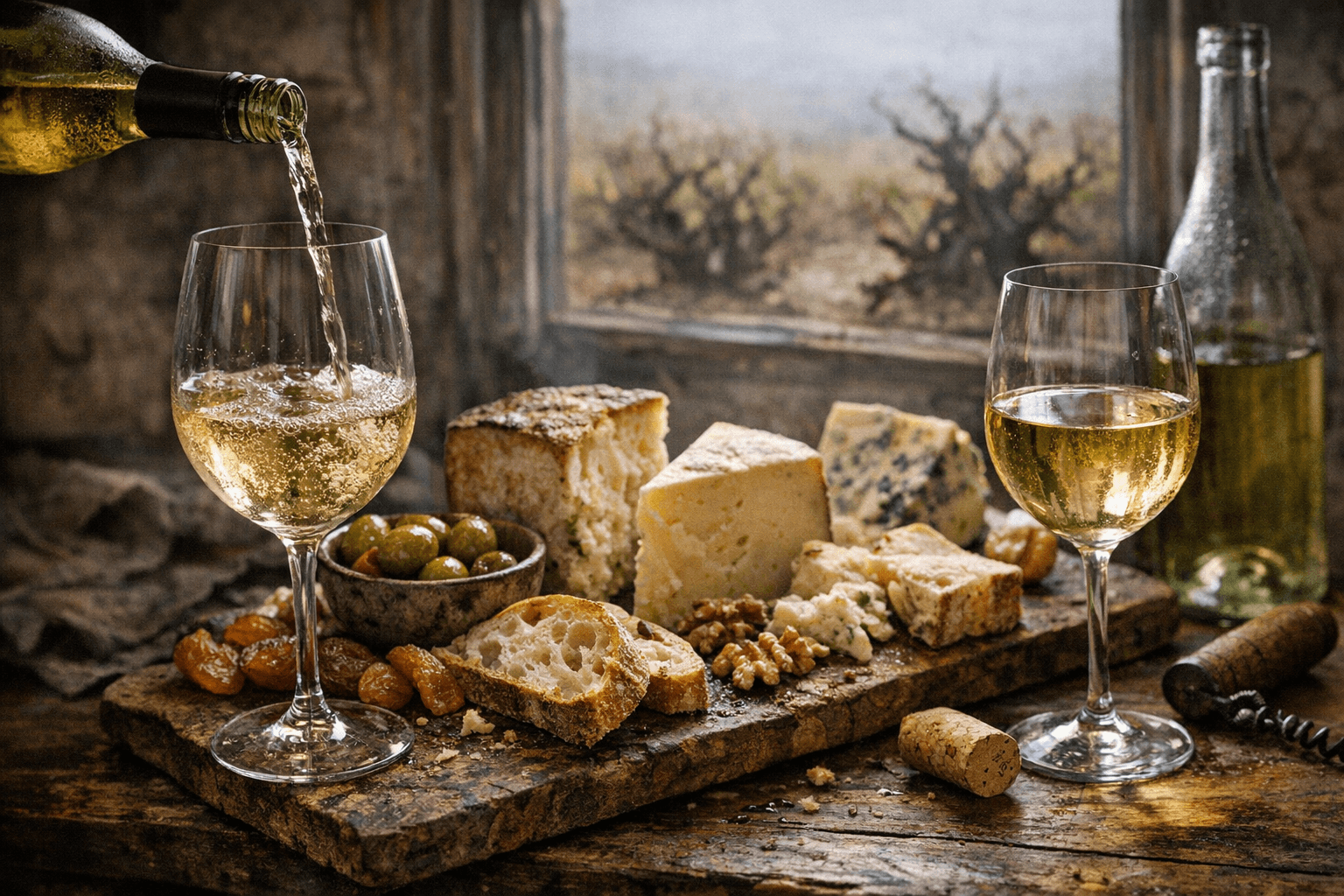
Chenin Blanc accounts for roughly 25 percent of planted area in the Swartland, which is either a regional identity statement or a staggering amount of one grape, depending on how you are counting. The region's defining feature is its old, unirrigated bush vines — some 40 years old, some 50, some pushing past 80 — grown on granitic and schist soils with minimal intervention and no irrigation infrastructure to speak of. These are not boutique conditions created for marketing purposes. They are the conditions that existed before anyone was paying attention to Swartland, which is part of why the wines still represent value.
The Swartland Revolution, a producer collective that helped put the region on the international map in the early 2010s, was built largely on this premise: old vines, dry farming, honest yields, and prices that did not yet reflect how interesting the wines were. That gap between quality and price has narrowed, but it has not closed. A serious old-vine Swartland Chenin Blanc — from producers like Sadie Family, Mullineux, AA Badenhorst, or Miles Mossop — still lands in a price range that would be considered entry-level for Loire Valley Savennières with comparable credentials.
The Science Is Honest About What Old Vines Actually Do
Here is the part that wine writing usually skips. The claim that old vines automatically produce better wine is not something the research has fully endorsed. A peer-reviewed study titled "Investigating the Concept of South African Old Vine Chenin Blanc," published in the South African Journal of Enology and Viticulture and available via SciELO, found that while trained judges showed meaningful consensus on typicality, vine age itself did not correlate with typicality rating. Old vines did not score higher just because they were old.
What the research does support is more specific. The Old Vine Project, a South African certification and advocacy body, has documented a clear chemical differentiation between old-vine and young-vine Chenin Blanc — the volatile compounds responsible for that differentiation are still being mapped. The Chenin Blanc Association launched a formal research program on old vines (defined as 40 years and older) in late 2014. A separate study from Stellenbosch University, "The sensory characterisation of old-vine Chenin blanc wine: an exploratory study of the dimensions of quality," examined these wines as a distinct sensory category. The picture that emerges is not "old vines are always better." It is more useful than that: old, low-yielding, dry-farmed vines produce wines that are chemically and sensorially distinct. Whether distinct equals better is a judgment call. It usually does, which is why people keep making it.
What to Buy and What to Serve It With
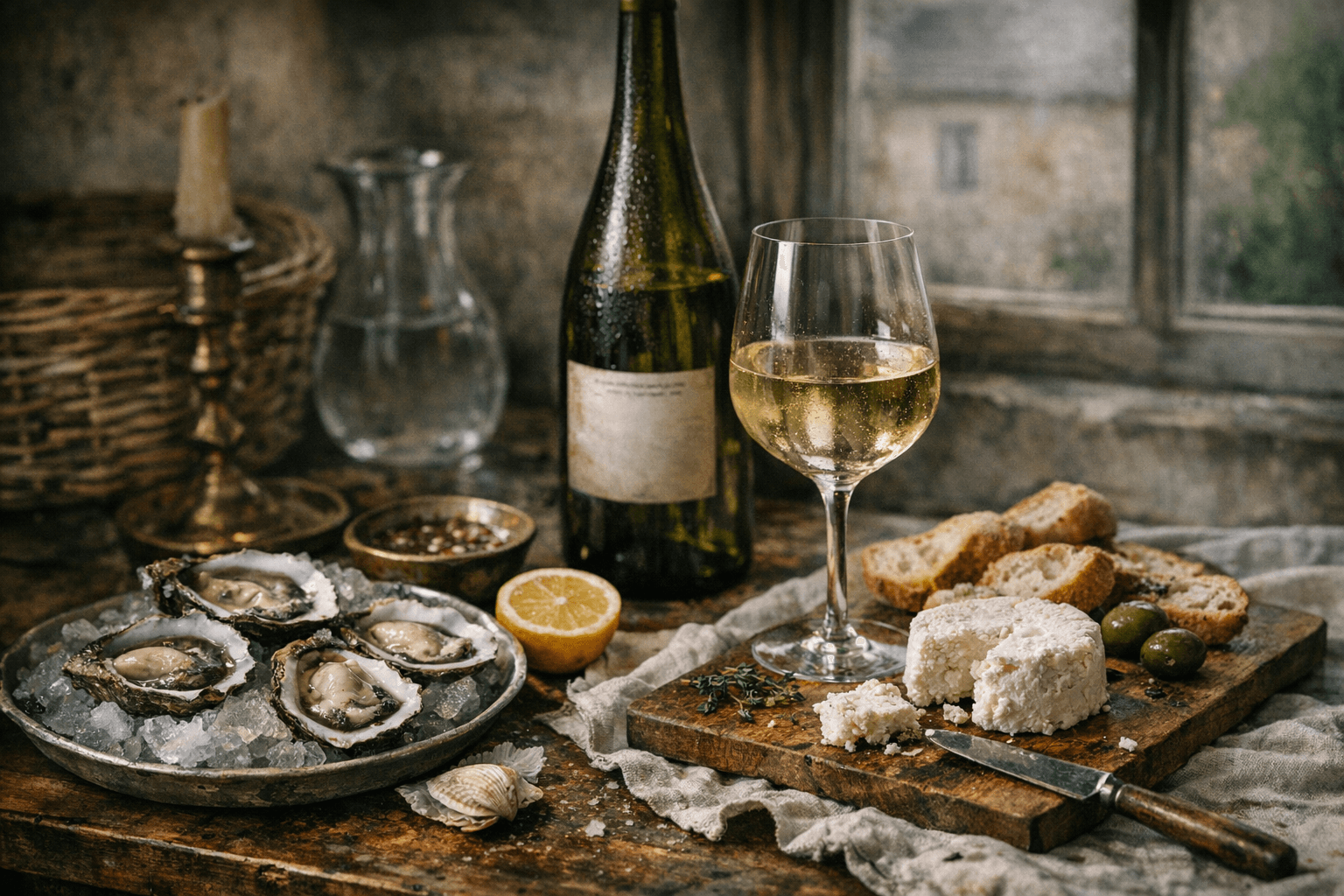
Miles Mossop Chapter Two Chenin Blanc is the most straightforward starting point because the vineyard data is unusually transparent — 1971 planted, Paardeberg, 2,500 vines per hectare, 25 hl/ha yield, decomposed granite, no irrigation. You know exactly what you are getting and why it tastes the way it does. Serve it with a firm, washed-rind cheese: Époisses de Bourgogne works, or an aged Gruyère from Switzerland's Berner Oberland region if you want something with less funk and more nuttiness. The wine has enough texture and acidity to handle both without disappearing.
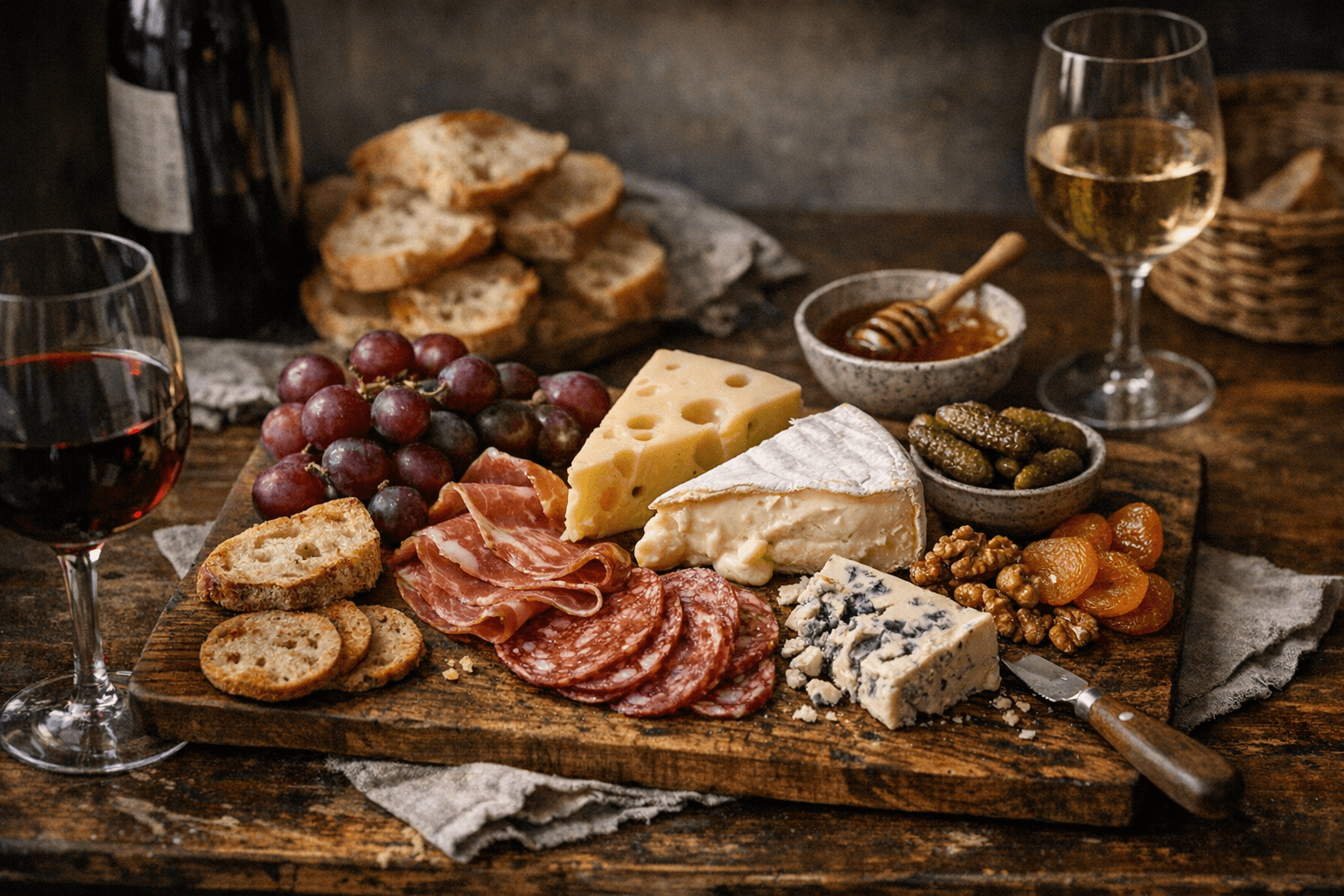
For broader Swartland exploration, Mullineux Old Vines White (a field blend anchored by Chenin Blanc) and Sadie Family Wines Skurfberg Chenin Blanc from the Olifants River region are both certified by the Old Vine Project, meaning the vine age claim is independently verified. Pair either with a raw-milk comté or a young Ossau-Iraty from the French Basque Country. The wine's characteristic lanolin texture and preserved citrus notes find a counterpart in the sheep's milk fat without either overwhelming the other. This is the kind of pairing that makes someone at the table ask what the wine is, which is the only metric that matters at dinner.
The Paardeberg vineyard planted in 1971 has now outlasted several wine trends, two currency crises, and the entire careers of most critics who would have ignored it. It still does not get irrigated. It still yields 4 tons per hectare. The wine it produces still costs less than it probably should. That combination — documented age, verified low yields, genuine regional identity, and a price that has not yet caught up with the quality — is not something that comes along in wine very often. It is worth treating seriously before it stops being a value story and becomes a prestige one.
* This article contains opinions, satire, and possibly correct information about wine and cheese. It is not medical advice.