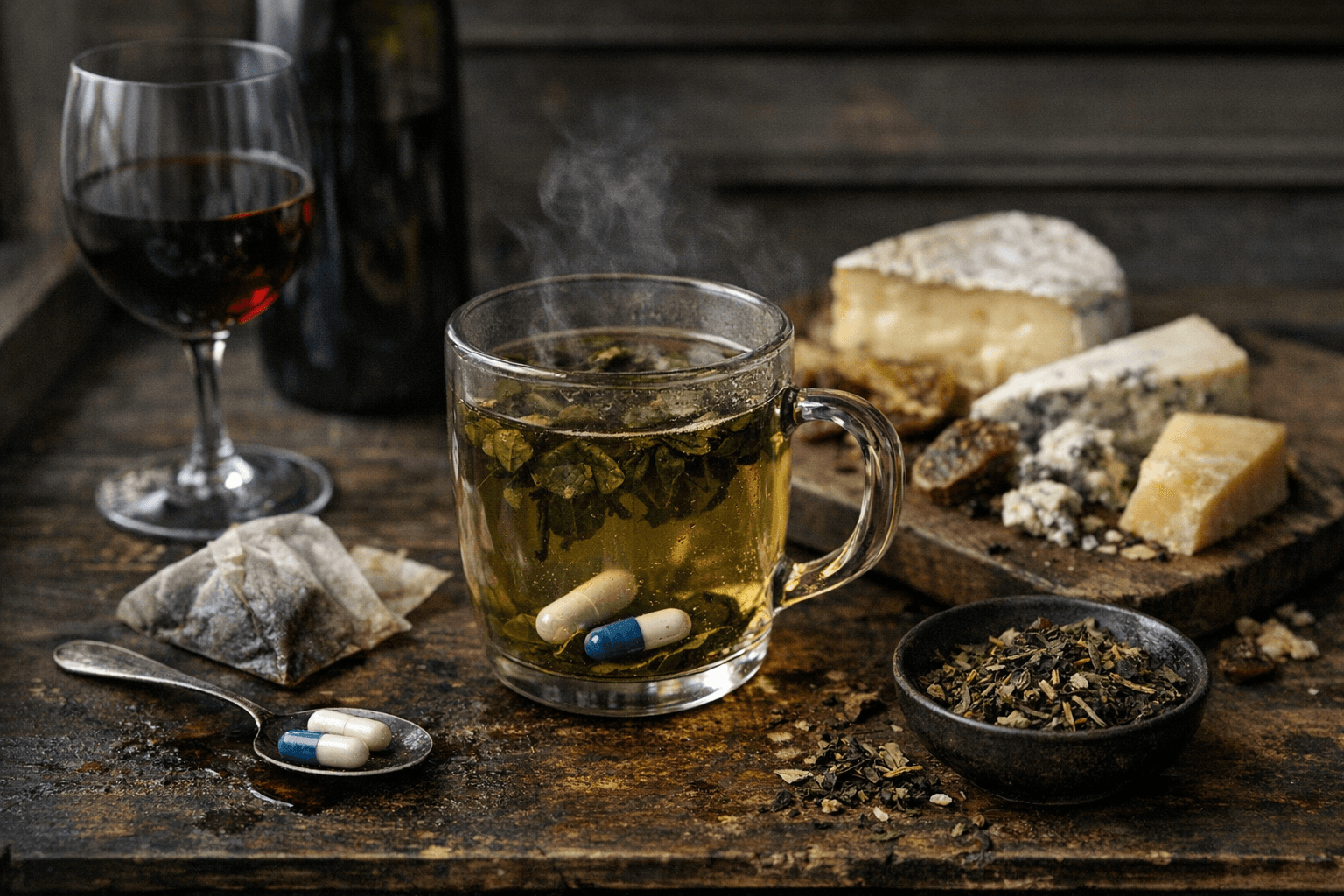
A systematic review of detox diet claims found no compelling evidence they work. Meanwhile, the FDA discovered one brand was secretly dosing customers with antidepressants.
Your body already has a detox system. It is called your liver, kidneys, lungs, skin, and digestive tract. They work around the clock without requiring Instagram sponsorship or a subscription box. Yet somehow, the $72 billion wellness industry has convinced millions of people that these organs need assistance from a tea bag that costs more per ounce than a decent Bordeaux. At least wine labeling laws require honest disclosure of what is in the bottle.
The Clinical Reality of 'Cleansing'
A 2015 systematic review published in the Journal of Human Nutrition and Dietetics examined the evidence behind detox diets and found something remarkable: there was not much evidence at all. The researchers concluded there was 'very limited evidence' to support detox claims, with the evidence base 'too weak to draw strong conclusions.' In medical terms, this means detox teas have about as much scientific backing as claiming that cheese consumption prevents existential dread.
Most detox teas achieve their 'slimming' effects through senna, a stimulant laxative that causes cramping, diarrhea, and rapid water loss. The National Center for Complementary and Integrative Health notes that frequent senna use can lead to dehydration, electrolyte imbalance, and dependence. What customers mistake for fat loss is often just an expensive bathroom emergency that makes wine hangovers look pleasant by comparison.
When 'Natural' Goes Pharmaceutical
In 2014, the FDA issued a warning that would make any wellness influencer rethink their partnership strategy. OPM Detox Tea was found to contain fluoxetine—the active ingredient in Prozac—without declaring it on the label. Customers thought they were buying herbal tea. Instead, they were unknowingly taking prescription antidepressants.
This was not a trace contamination or manufacturing error. Someone deliberately added a pharmaceutical drug to a tea product, then marketed it as natural wellness. The implications are staggering: undisclosed drug interactions, unexpected side effects, and the possibility that people attributed mood changes to 'detox benefits' when they were actually being medicated without their knowledge. French wine regulations would classify this as fraud. American wellness culture called it Tuesday.
The $15 Million Influence Campaign
Meanwhile, Teami was building an empire on Instagram posts and unsubstantiated health claims. The FTC alleged the company made over $15 million selling detox teas with claims that their products could cause weight loss, fight cancer, treat colds, clear blocked arteries, and prevent flu. The evidence for these claims was approximately as robust as their influencer disclosure practices.
In 2020, the FTC reached a settlement requiring Teami to pay $1 million and stop making unproven health claims. The case highlighted how paid influencer posts had blurred the line between personal testimonials and pharmaceutical advertising, except with less oversight and more aesthetic lighting. Warning letters were sent to influencers about inadequate sponsorship disclosures, suggesting that even the people promoting these products did not fully understand what they were endorsing.
Your liver processes toxins every day without requiring a subscription service. Your kidneys filter waste continuously without needing motivational quotes overlaid on pastel backgrounds. If you want to support these organs, drink water, eat vegetables, get adequate sleep, and moderate your alcohol consumption. This approach has the advantage of being both evidence-based and significantly less likely to result in emergency bathroom situations. The French have understood this for centuries: a glass of wine with dinner poses known, measurable risks that adults can evaluate for themselves. Detox tea poses unknown risks while promising impossible benefits. The detox tea industry has managed to monetize bodily functions while convincing customers that normal physiological processes require expensive intervention. At least when you drink wine, the bottle tells you exactly what percentage might impair your judgment.
* This article contains opinions, satire, and possibly correct information about wine and cheese. It is not medical advice.