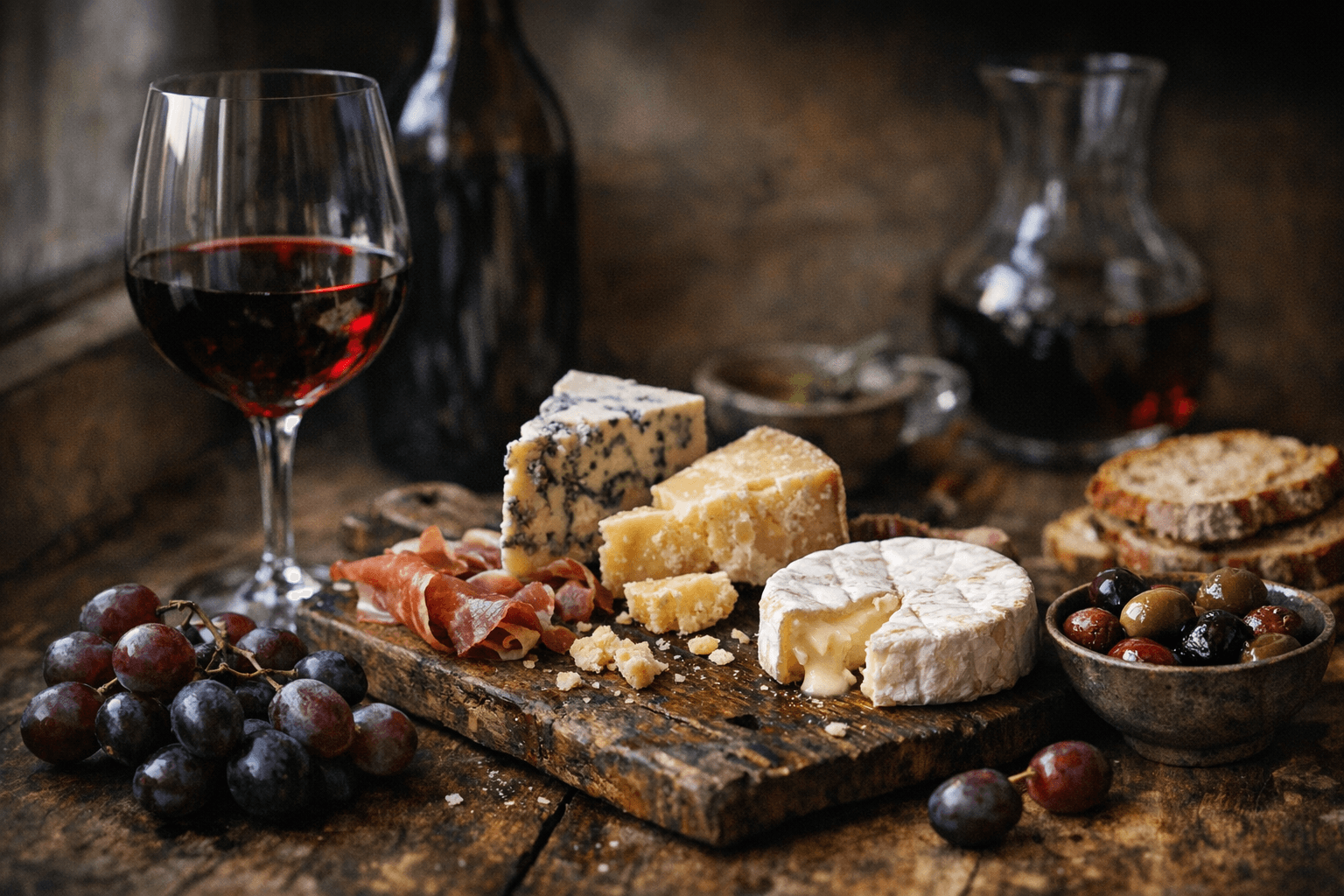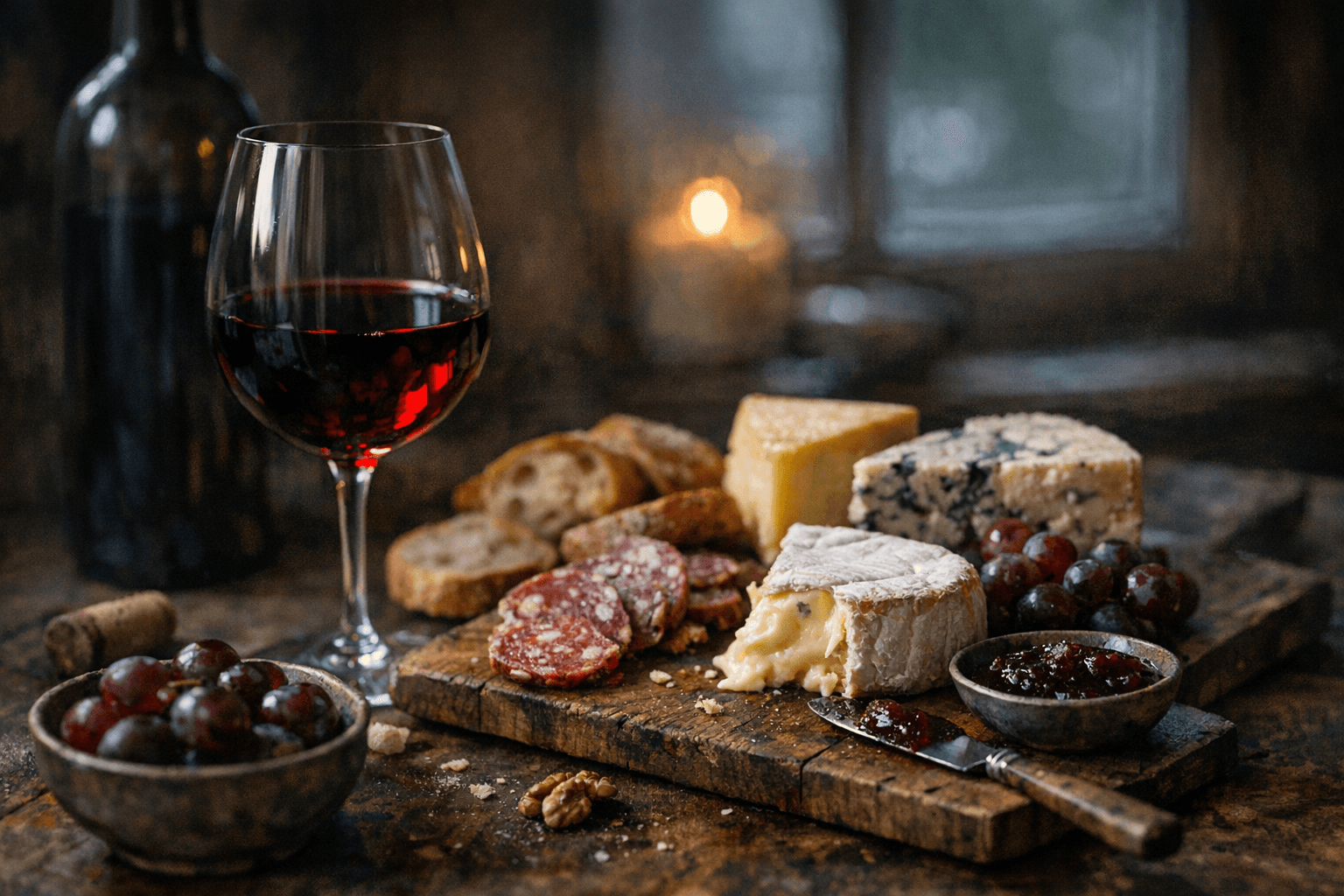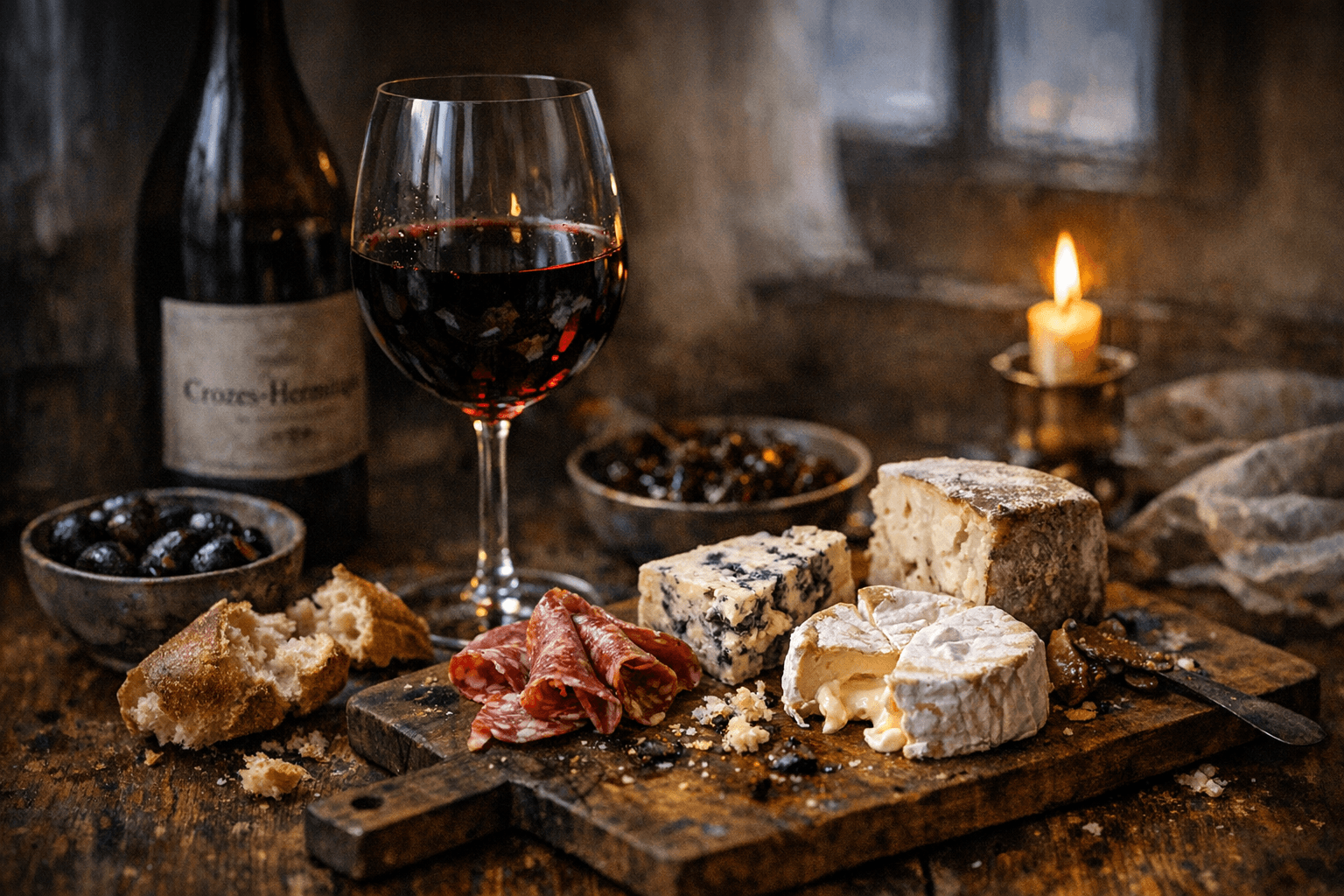
Crozes-Hermitage is the largest cru in the Northern Rhône and, by considerable margin, the one most willing to show up on a Tuesday. A field-tested introduction to the appellation that delivers Syrah at weeknight prices without the existential weight of Hermitage.
There is a specific Tuesday — you know the one — where the week has already made its intentions clear and what is needed is not a project, not a research rabbit hole, and certainly not a forty-five-minute conversation with a sommelier. What is needed is a good bottle of red wine that does not require you to justify the expense to yourself or anyone else in the household. Crozes-Hermitage is that bottle. It is the largest appellation in the Northern Rhône, it is made entirely from Syrah, and it has been quietly fixing bad Tuesdays for people who have not yet heard of it. This is an introduction. Prescriptions for improvement are written below.
What Crozes-Hermitage Actually Is, Without the Mythology
The Northern Rhône is the part of France where Syrah gets serious. The famous addresses — Hermitage, Côte-Rôtie, Cornas — are the kind of names that appear in wine writing with a reverence usually reserved for mountain passes and ancient cathedrals. They are also, in many cases, priced accordingly. Crozes-Hermitage is the appellation that surrounds the famous Hermitage hill without being the hill itself, which is a distinction that matters enormously to the price tag and considerably less to your Tuesday evening.
With roughly 1,869 hectares under vine and annual production hovering around 77,000 to 86,000 hectoliters, Crozes-Hermitage is the largest cru in the Northern Rhône by a significant margin. The terrain is flatter and more varied than the steep granite slopes of its neighbors, which is why the wines tend toward clay-limestone and alluvial expressions — black fruit, cracked pepper, bay leaf — rather than the more severe, mineral austerity of Hermitage proper. This is not a compromise. It is a different address, and one that has good bones.
The AOC Rules, Which Are Actually Interesting for Once
Red Crozes-Hermitage is made from Syrah. That is the rule. The appellation permits producers to co-ferment up to fifteen percent white grapes — Marsanne or Roussanne — into the red, a technique borrowed from the neighboring Côte-Rôtie tradition that can add aromatic complexity and texture without the wine technically becoming anything other than red. In practice, most producers do not push anywhere near that threshold, and the result is a category where roughly ninety percent of production is red and the white version, made from Marsanne and Roussanne alone, exists in pleasant obscurity for people who already know what they are looking for.
The clinically unverified benefit of understanding these rules is that you will sound exactly knowledgeable enough at a dinner party without having to explain the entire history of the Rhône Valley. 'Up to fifteen percent co-fermented white grapes, technically' is the kind of sentence that ends a topic gracefully and opens a second pour.
On Drinking Windows, Health Halos, and the Protocol
Most Crozes-Hermitage is designed to drink young, which in practical terms means you do not need a cellar, a plan, or a five-year timeline. Better examples from serious producers can age for five to ten years, developing the kind of complexity that justifies the wait — but the entry-level bottles are made to meet you where you are, which is on a Tuesday, in your kitchen, not in a humidity-controlled basement.
This is also the moment to address the wellness framing that tends to attach itself to red wine like a promotional sticker that will not come off. Review-level research has noted associations between moderate red wine consumption and various markers — antioxidant status, inflammation, the usual suspects — but the American Heart Association has been clear that the evidence is insufficient to encourage anyone to start drinking for cardiovascular benefit. The Wine and Cheese Diet's position, as formally as we hold any position, is that Crozes-Hermitage is a pleasure purchase. The black fruit is a pairing note. The pepper is a tasting descriptor. The bay leaf is not a clinical finding. Pour accordingly.
The gateway framing is real and not condescending. Crozes-Hermitage is where a lot of people discover that they like Northern Rhône Syrah before they are ready to commit to the price of Hermitage or the waiting list energy of Côte-Rôtie. It is a 1,869-hectare on-ramp with good signage and no attitude. Find a bottle from a producer with a track record in the appellation, open it with something from the grill or a stew with olives, and let it do its work. The week was going to be fine anyway. The wine just makes the Tuesday part easier to verify.
* This article contains opinions, satire, and possibly correct information about wine and cheese. It is not medical advice.